
Shot size too small
- Short shot and incomplete fill in last regions
- Weak weld lines where pack is starved
- Unstable cushion and light cavities on multi cavity tools
Glossary
Shot size is total melt per cycle, not net part weight. See the formula, three term definitions, and links to runners, gates, and cycle time.
Glossary
Short shots and flash both send buyers hunting the wrong root cause.
Shot size is the volume or weight of molten plastic the injection unit prepares and pushes forward in one cycle. It must cover every cavity, the runner system, the gate vestige allowance, and a stable cushion for packing.
A short shot is not always a tooling defect. Transfer position, shot size setting, and venting belong in the same troubleshooting thread.
On multi cavity tools, one cavity short while others fill usually points to runner balance, gate detail, or venting, not only machine shot capacity.
NetProto scopes shot size after part geometry, resin, runner type, and cavity count are fixed. A quoted part weight is not the same as a process shot size.
Process
The screw must deliver parts, runners, gates, and cushion every cycle.
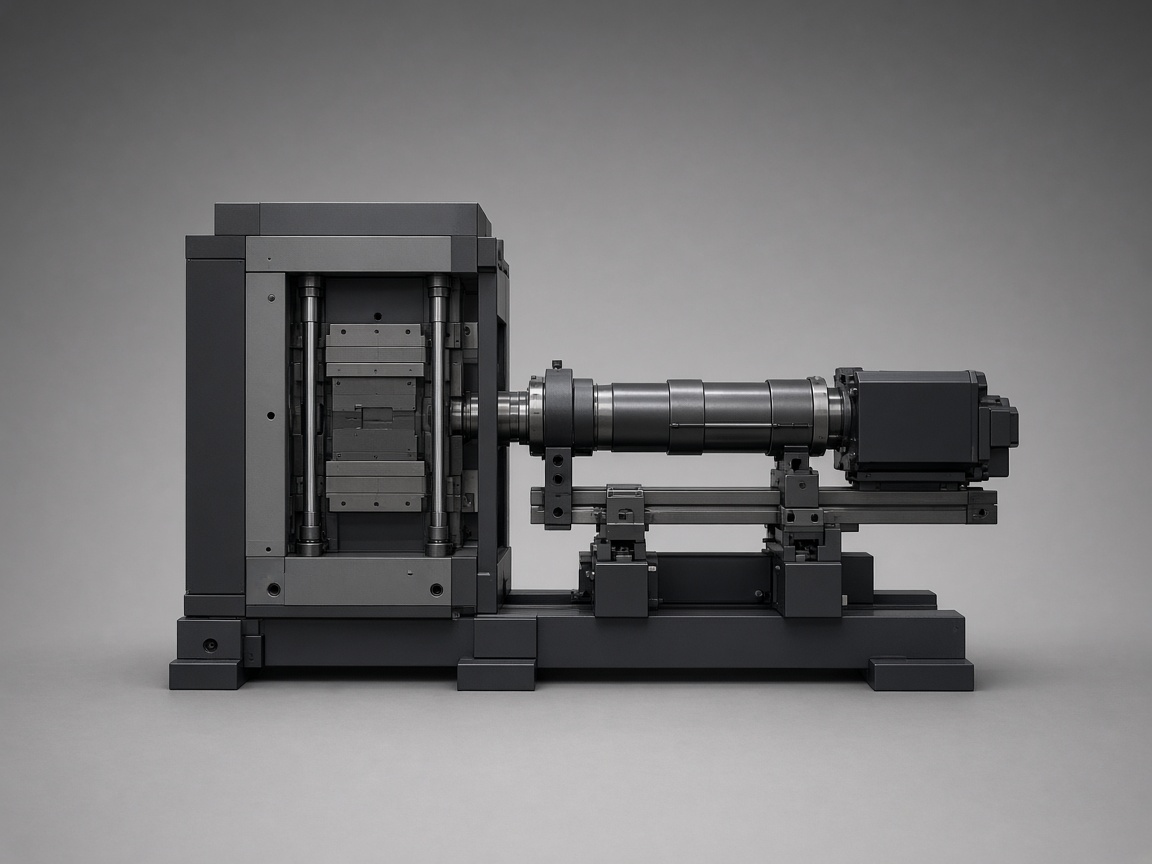
Melt delivery on a production injection press
Formula
Use geometry first, then convert to weight at process conditions.
Shot size = sum(part volume x cavities) + runner volume + sprue and gate volume + cushion.
Convert volume to weight with resin density at process temperature.
Machine rated shot capacity is the press limit. It is not the shot size you should set for every mold.
Terms
Each number answers a different question on quotes versus the production floor.
| Term | Includes runner and system? | Used for |
|---|---|---|
| Part weight | No | Quoting and weighing the finished part |
| Shot weight | Yes | Process setup and material per cycle |
| Shot capacity | Machine maximum | Machine selection and barrel utilization |
Process
Symptoms overlap with venting and tooling, but shot volume is often the first check.
Machine selection
Confirm with your molder. No fixed machine model or steel grade applies to every program.
Required shot is approximately total molded volume x cavities x density x a safety factor often in the 1.1 to 1.3 range for cushion and process headroom.
Choose a machine so required shot sits in a stable utilization band. Many plants start near roughly 30 to 80 percent of rated shot capacity, then tune for cushion stability.
Do not max out the barrel on every program. Residence time and mixing suffer when shot is tiny on a large screw.
Troubleshooting
Share this list with your molder when photos show incomplete fill or cavity imbalance.
Which cavity or region is short, with a photo if possible
Material lot and drying record for hygroscopic grades
Recent change to shot size, transfer position, or back pressure
Gate freeze off time relative to pack completion
Cushion position trend shot to shot on the same setup
Check ring and non return valve leakage check when cushion will not hold
Go deeper
Cavity count, runners, gates, cycle time, and press size connect to fill and piece price.
Seconds per shot and resin per hour.
Cycle timeImpressions per cycle multiply molded volume.
Cavity countFeed path volume is part of shot weight.
RunnerGate type and size affect balance and vestige.
GateFill troubleshooting when geometry is already qualified.
Short shot defectClamp rating pairs with shot capacity on the data sheet.
TonnageWall stack drives part volume in the shot sum.
Wall thickness (DFM)Nozzle to runner volume in cold runner shots.
SprueVisual reference
Images are selected from the NetProto Forge media library for this topic.
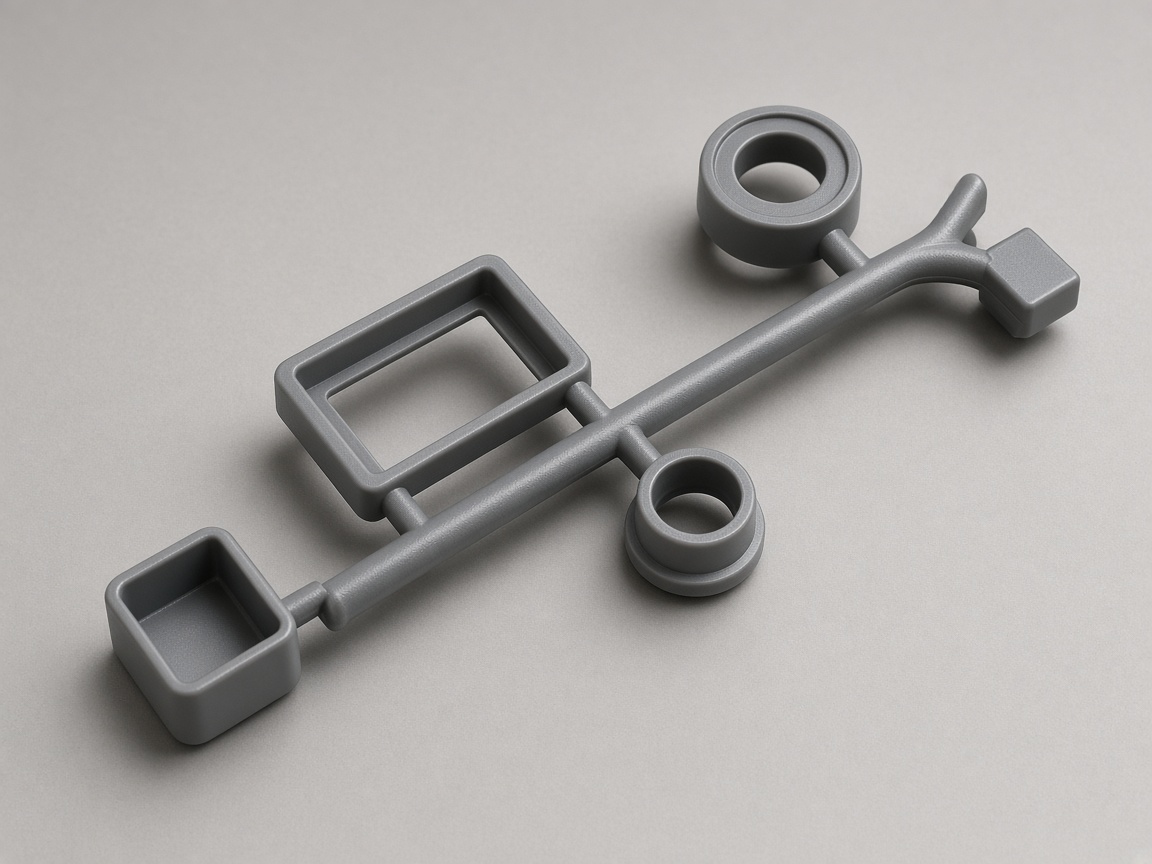
Cold runner parts and sprue on tray
Cold runner parts and sprue on tray

Short shot check on part drawing
Short shot check on part drawing
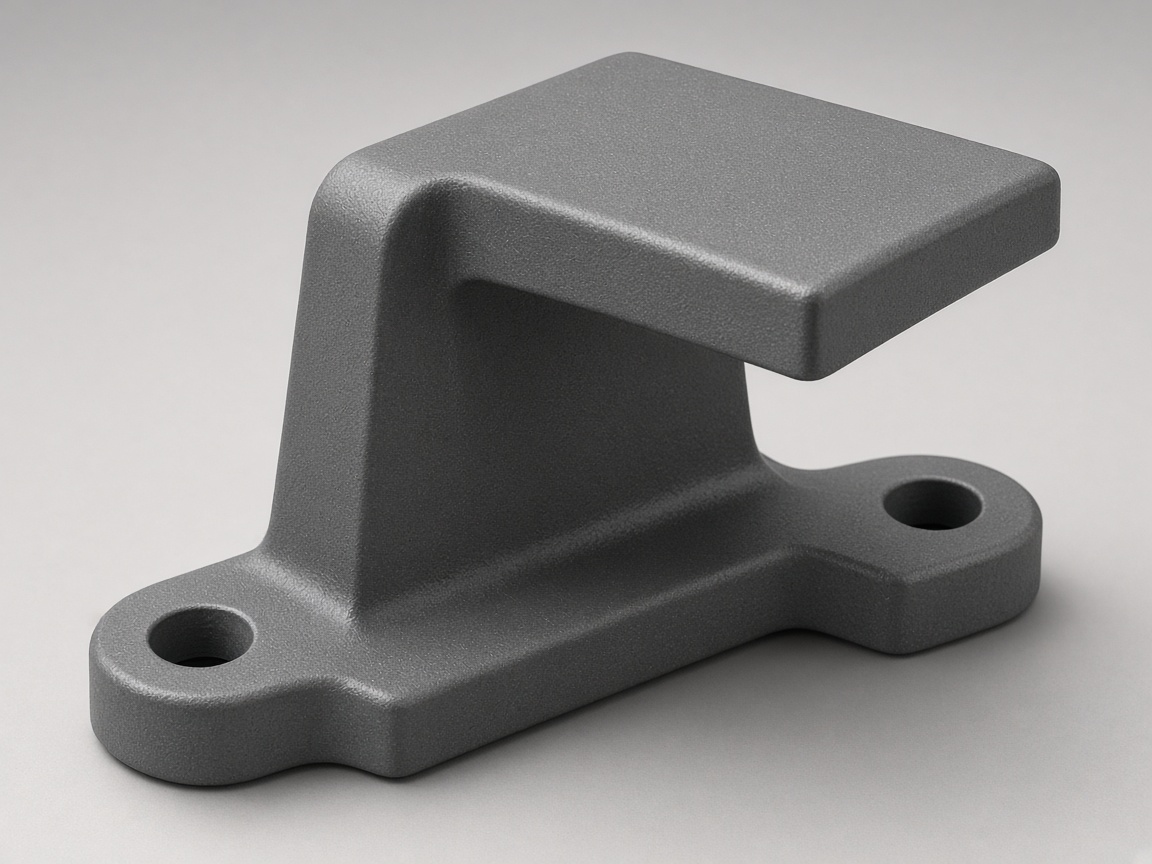
Multi cavity housings from steel mold
Multi cavity housings from steel mold

Runner layout and shot volume
Runner layout and shot volume
FAQ
Many plants use roughly 30 to 80 percent of rated shot capacity as a starting check, then confirm cushion stability and fill balance on the actual mold.
Usually runner balance, gate size or location, or venting, not a lack of machine shot capacity alone.
Yes. Cubic centimeters come from part and feed path geometry. Grams require resin density at process temperature.
No. Part weight is only the molded component. Shot size includes the feed path and cushion.
Yes. The injection unit must physically deliver the total molded volume each cycle.
Start with the design guide hub for gate location and runner design spokes.
Next step
Upload CAD when fill balance or short shots trace back to geometry, not just machine settings.