
What goes wrong
- Sink or read-through on a cosmetic face behind a thick boss
- Longer cooling while a thick section is still hot
- Hesitation or voids where thickness jumps without a transition
Wall thickness
Set one nominal wall first. Thin paths fill faster. Thick paths hold heat, sink, and warp. Confirm the number on your CAD in DFM review, not from a generic table.
Design guideline
Learn how injection molding wall thickness drives fill, sink, and warp before you add ribs and bosses.
Wall thickness on an injection molded part is the nominal skin you design first. Thin sections fill faster but need enough flow length. Thick sections hold heat, sink, and warp risk. Abrupt jumps between the two show up as hesitation, voids, or read-through on a show face.
This spoke is the rule for that nominal wall. The design guide hub lists every topic. Uniform wall , thin wall , and thick section spokes cover the edge cases. The DFM review page is how NetProto checks your CAD before tooling. This page does not publish a NetProto required thickness.
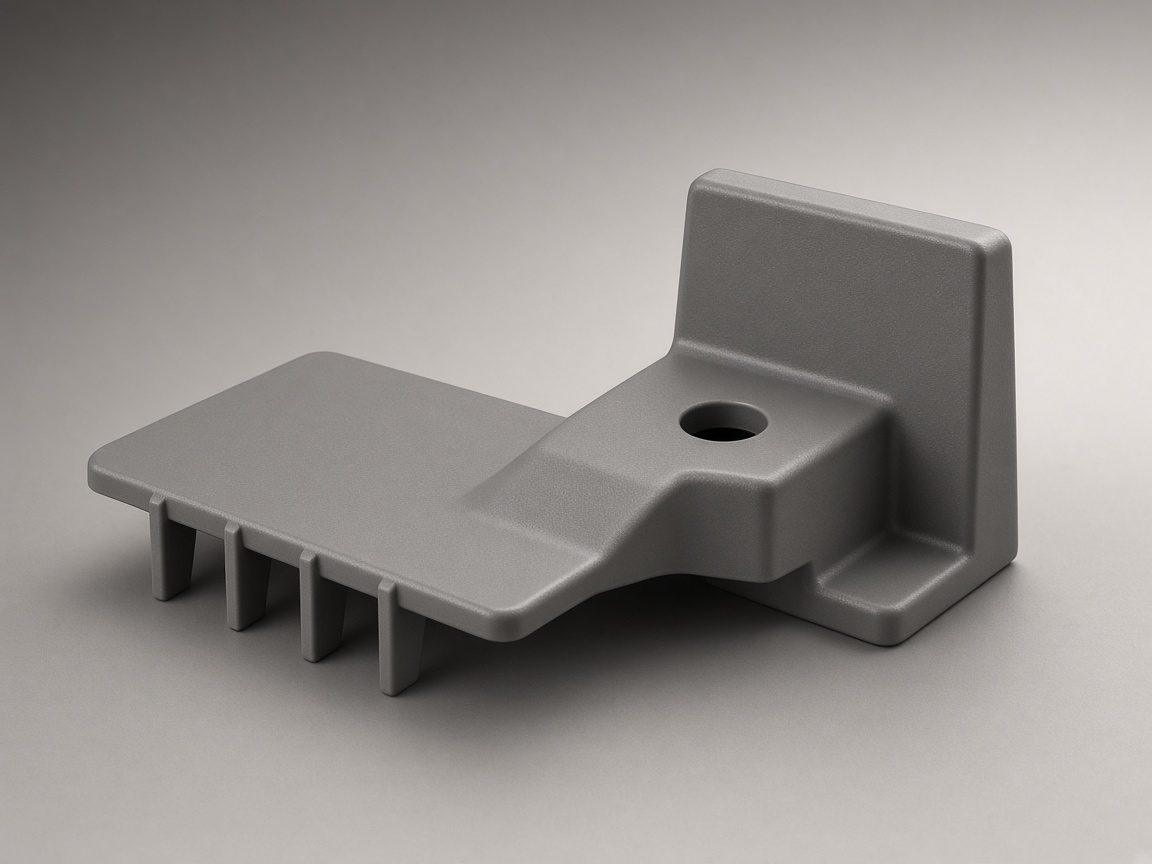
Roles
Stay here for the nominal wall. Open a sibling when the problem is only thin, thick, or transition.
| Page | Use it for |
|---|---|
| Wall thickness (this page) | Plan the nominal wall and why it matters |
| Uniform wall thickness | Gradual transitions between thicknesses |
| Thin wall design | Fill and resin choice on thin parts |
| Thick section design | Coring and cycle risk on heavy sections |
| Ribs / rib-to-wall | Stiffness without a thick solid wall |
| Boss design | Size bosses from the nominal wall so they do not print through |
| Draft angle | Vertical faces still need draft after the wall is set |
| Support surfaces | Discrete seating pads when a large face will warp. |
| DFM review | CAD check before tooling |
| Design guide hub | All design guidelines by topic |
Thickness plan
Bosses and ribs should reference a primary wall, not invent new thick islands.
Checks
Qualitative checks. Part-specific thickness comes from your CAD and resin, not from this page.
One nominal wall
Pick the skin thickness before you add ribs, bosses, or lettering that locally thicken the part.
Fill versus pack
Thin paths need flow length the resin can make. Thick paths pack and cool more slowly and can mark the opposite face.
Cosmetic read-through
A thick feature behind a show face is a sink risk even when the outer wall looks uniform in CAD.
Resin and size
The same geometry can be fine in one grade and short-shot in another. Put the resin family on the RFQ.
RFQ
The quote can start from CAD alone. These notes make the DFM pass specific.
Nominal wall callout on the drawing or in the RFQ
Target resin or family, especially if flow length is long
Cosmetic faces that cannot show sink or witness
Bosses, ribs, or logos that must stay locally thick for function
Known sink or warp on a current part, if this is a redesign
Related
This page owns the nominal wall. Open a sibling for the feature, then DFM review for the CAD.
All injection molding design guidelines by topic.
Design guide hubHow NetProto checks your CAD before tooling.
DFM reviewFAQ
Nominal wall thickness sets how the part fills, packs, and cools. Uneven walls raise sink, void, and warp risk. This page is the rule for planning that nominal wall, not a table of NetProto thickness numbers.
It depends on resin, flow length, cosmetics, and part size. NetProto does not publish a single required thickness. Upload CAD on the instant quote platform so DFM review can comment on your geometry.
Not always, but a thick section next to a thin cosmetic face is a common sink driver. Core out bosses, use ribs for stiffness, and keep transitions gradual. See the thick section and rib spokes for those details.
This spoke owns the nominal wall decision. Uniform wall thickness covers transitions. Thin wall design covers fill and resin choice on thin parts. Thick section design covers coring and cycle risk on heavy sections.
Pick the wall first. Ribs and bosses should reference that wall so they do not create new thick islands. Open the rib and boss spokes for those features. Do not treat any ratio on this page as a NetProto specification.
Nominal wall callout, resin or family, cosmetic faces, and notes on bosses or ribs that must stay thick for function. DFM review uses those notes before tooling release.
Next step
Share geometry, resin, and the nominal wall you want so review can flag sink and fill risk before tooling.