
No published degree
Industry tables exist. NetProto does not reprint one as a specification.
Draft angle
Mark pull direction, textured faces, and walls with no slope. DFM review comments on CAD. This page does not publish a draft degree.
Design guideline
Draft is the slope that lets a face leave the steel. Texture uses more of that slope. This page owns the release angle. Texture draft owns grain. Ejection design owns how the part is pushed.
Draft angle is the slope that lets a face leave the tool. Faces that pull on mold open need it. Texture uses more of that slope. Texture draft requirements own the grain. Ejection design owns the push. DFM review needs pull direction.
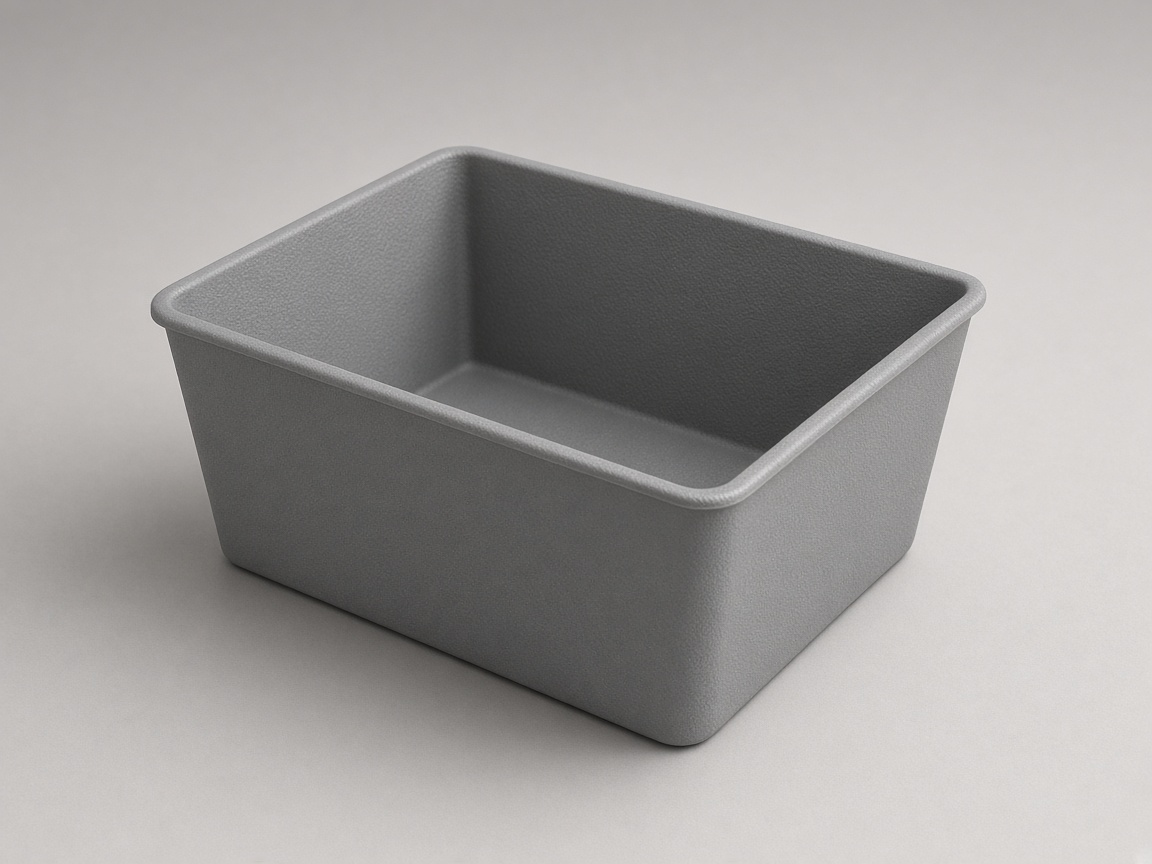
This spoke owns the release angle. It does not publish a degree. Undercuts own faces that cannot draft out. The deep-cavity draft article covers deep boxes. The design guide hub lists every topic.
Roles
Stay here for the release slope. Open a sibling for texture, ejection, or a deep cavity.
| Page | Use it for |
|---|---|
| Draft angle (this page) | Slope so a face can leave the steel |
| Texture draft requirements | Grain that uses more of that slope |
| Ejection design | How the part is pushed out |
| Undercuts | Faces that cannot draft out |
| Rib design | Draft on rib sidewalls |
| Deep-cavity draft article | Deep boxes that drag |
| DFM review | CAD check before steel |
Checks
Qualitative checks. No figure on this page is a NetProto specification.
No published degree
Industry tables exist. NetProto does not reprint one as a specification.
Texture eats slope
Call the plaque before you assume a smooth-wall draft is enough.
Pull direction first
Mark which way the tool opens. Draft follows that axis.
Zero draft is a drag
A vertical cosmetic wall often scuffs. Redesign or accept the mark.
Decision
Wrong: a deep textured box with no slope. Right: pull direction marked, texture called, draft on every pull face.
RFQ
The quote can start from CAD alone. These notes make the draft pass specific.
Pull direction on a view or PDF
Faces that have no slope today
Textured faces and the plaque or SPI callout
Deep cores that may drag
Parting line if the draft is asymmetric
Cosmetic class on drag-risk faces
Related
Stay on this spoke for its question. Open a sibling for the neighbor topic or the CAD check.
Deep boxes that drag.
Deep-cavity draft articleHow NetProto reads pull direction on CAD.
DFM reviewFAQ
It is the slope that lets a molded face leave the steel. Faces that pull on mold open need it. This page owns that slope.
None. Industry tables exist. They are not a NetProto specification. Upload CAD so DFM review can comment on your wall, texture, and depth.
Grain uses some of the slope that would otherwise release the part. Open texture draft requirements. Call the plaque on the RFQ.
Expect drag, a scuff, or an undercut action. DFM review comments on CAD. Do not leave a vertical cosmetic wall unexplained.
This spoke owns the release angle. Texture draft owns grain. Ejection design owns the push. DFM review checks CAD.
Show pull direction, faces with no slope, textured walls, and deep cores. Upload CAD so DFM review can comment before quoting.
Next step
Share pull direction and textured faces so review can comment before quoting.