
Boss wall vs nominal wall
A boss as thick as the wall creates a thick junction that sinks the opposite face. Size the boss wall from the nominal wall, not as a matching wall.
Boss design
A boss is a post for screws, inserts, alignment, or assembly. Size it from the nominal wall, core the center, and add draft on OD and bore. DFM review comments on your CAD before quoting.
Design guideline
A boss is a post for screws, inserts, alignment, or assembly. The risk is local thick plastic behind a cosmetic face.
Size the boss from the nominal wall , core the center, add a base fillet, and add draft on both OD and bore. Tie tall bosses to ribs or gussets . NetProto does not publish one boss-to-wall ratio as a spec. DFM review comments on your CAD, resin, fastener, and insert type.
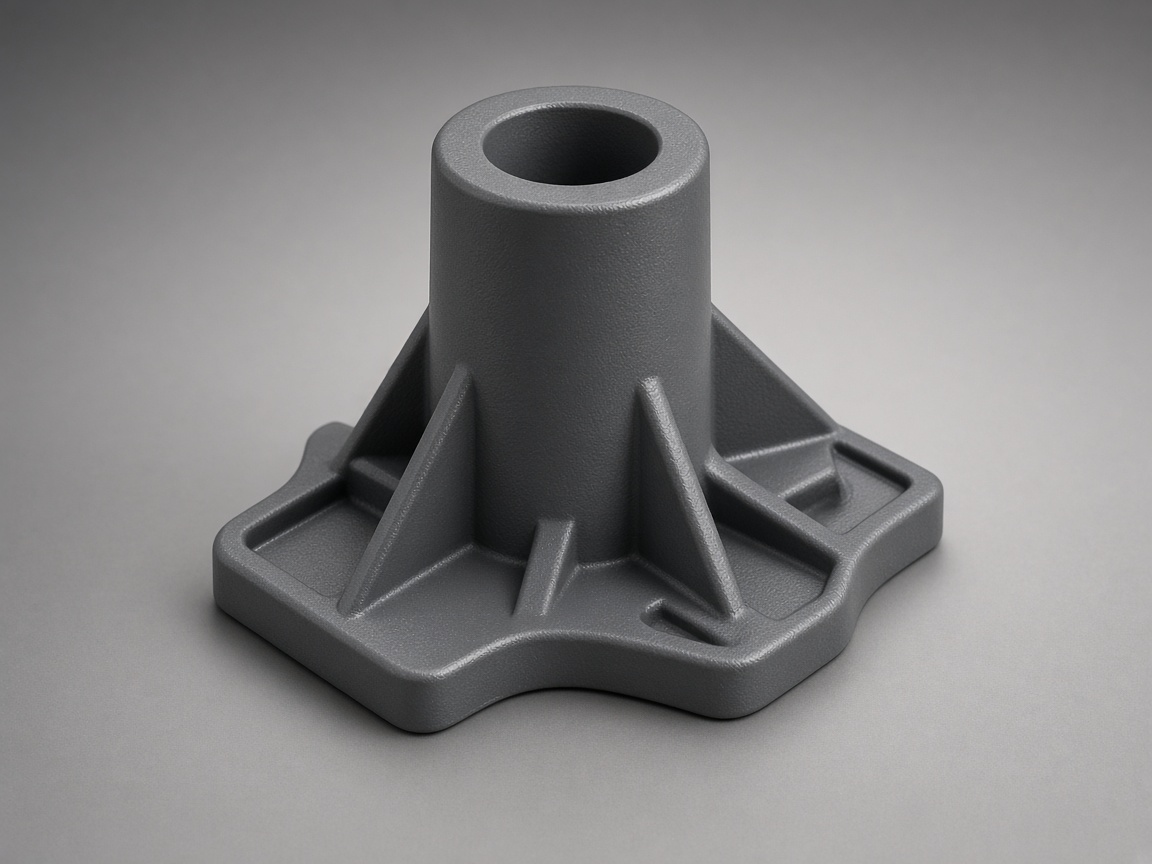
Bosses are fastening posts, not a second wall. This page covers coring, sink, OD and bore draft, and gusset tie-in. Self-tapping screw bosses owns pilot diameter when the screw cuts plastic. The design guide hub lists every topic.
Roles
Stay here for the fastening post. Open a sibling for the wall, the rib, or the CAD check.
| Page | Use it for |
|---|---|
| Boss design (this page) | Screw posts, inserts, and alignment columns |
| Wall thickness | Pick the nominal wall first |
| Rib design | Stiffen walls without sink |
| Gussets | Support tall bosses and ribs |
| Draft angle | Draft on OD and bore of the boss |
| Fillets and radii | Root radius where the boss meets the wall. Too sharp cracks, too large sinks |
| Support surfaces | Pads the part sits on, near or apart from a boss. |
| DFM review | CAD check of bosses before quoting |
Checks
Qualitative checks. No ratio on this page is a NetProto specification.
Boss wall vs nominal wall
A boss as thick as the wall creates a thick junction that sinks the opposite face. Size the boss wall from the nominal wall, not as a matching wall.
Core-out and solid bosses
A solid boss on a class-A cosmetic face is a common sink source. Core the center so the boss becomes a tube, not a column.
OD draft and bore draft
Both faces of the boss need draft. The OD releases from the cavity. The bore releases from the core pin. Different draft per side is normal.
Insert retention and gusset tie-in
Heat-set, ultrasonic, and helical inserts each need a bore and retention geometry from the insert vendor. Tall bosses need gussets or rib ties to resist bending.
Decision
Wrong: treat the boss as a solid column. Right: core it, add draft, and tie it back.
RFQ
The quote can start from CAD alone. These notes make the DFM pass specific.
Nominal wall callout the boss should reference
Fastener type and size: self-tapping, machine screw, or insert
Class-A or show-face location opposite any boss
Boss height and OD or bore dimensions
Draft per side on OD and bore, if you already have a target
Gusset or rib connection plan
Related
This page owns the boss as a fastening post. Open a sibling for the wall, the rib, or the CAD check.
How NetProto checks bosses on your CAD before quoting.
DFM reviewAll injection molding design guidelines by topic.
Design guide hubFAQ
A boss is a post for screws, inserts, alignment, or assembly. It is a fastening feature, not a wall and not a rib. Size it from the nominal wall, core the center, and add draft so the post does not become a solid thick column.
Typical industry guidelines often start the boss wall thinner than the nominal wall, in a range commonly cited as 40 to 60 percent. Fastener load, insert type, cosmetic class, and resin change the answer. NetProto does not publish one boss-to-wall ratio as a specification. Upload CAD for DFM review.
A solid or over-thick boss is locally thicker than the skin. That extra mass cools slowly and can pull a sink or read-through on the opposite face, especially on a class-A surface. Coring the center and sizing the wall from the nominal skin reduce that junction mass.
Yes. The OD releases from the cavity and the bore releases from the core pin. Both need draft. Texture or a deeper boss usually needs more draft per side. Open the draft angle page for that rule. Put OD and bore draft on the RFQ if you already have a target.
Both need a cored boss with draft, but the bore, depth, and retention geometry change with the fastener. Self-tapping screws cut threads into plastic and are covered on the self-tapping screw bosses spoke. Heat-set, ultrasonic, and helical inserts follow the insert vendor bore. This page owns the shared boss geometry.
This spoke owns bosses as fastening posts: wall versus skin, coring, OD and bore draft, sink, and gusset or rib tie-in. Wall thickness owns the nominal skin. Ribs own stiffness. Gussets own the triangular supports at tall posts. DFM review is how NetProto checks your CAD before quoting.
Next step
Share geometry, resin, cosmetic faces, fastener type, and boss height so review can check wall-to-skin relationship, coring, OD and bore draft, and gusset tie-ins before quoting.