
Clamping force
Calculate required clamp from projected area.
Clamping forceGlossary
Tonnage is the clamp capacity printed on the injection molding machine nameplate, typically expressed in US tons. It represents the maximum closing force the press can apply, not the force your part actually needs. Treat tonnage as a machine specification, not a quality score. Clamping force is what your mold needs during injection. Tonnage is what the machine can deliver. Use the clamping force page for calculation. This page covers how to read the nameplate and fleet labels.
Definition
Tonnage is the clamp capacity printed on the injection molding machine nameplate, typically in US tons.
It is the maximum closing force the press can apply, not the force your part actually needs. Treat tonnage as a machine specification, not a quality score.
When you see a tonnage number on a quote, remember that two molders with different press fleets may quote different numbers for the same part.
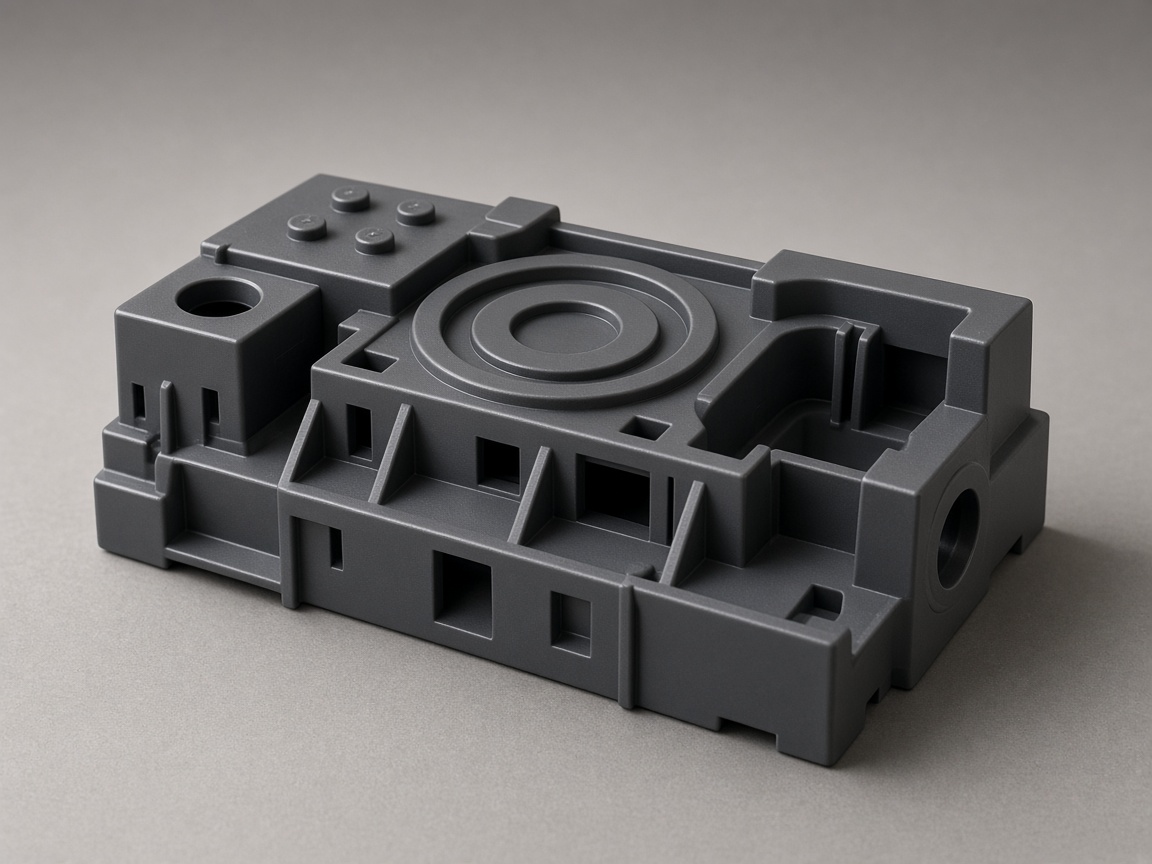
Clamping force is the physical force required to keep the mold shut during injection. Tonnage is the machine rated capacity to deliver that force. Use the clamping force glossary entry for how to estimate what you need. This page covers how to read what the machine says.
Molders map projected area, wall design, and resin to a machine window. Clamping force math and tonnage nameplates answer different questions on the same RFQ.
Production
Press ratings, platen fit, and clamp math are different conversations on the same RFQ.
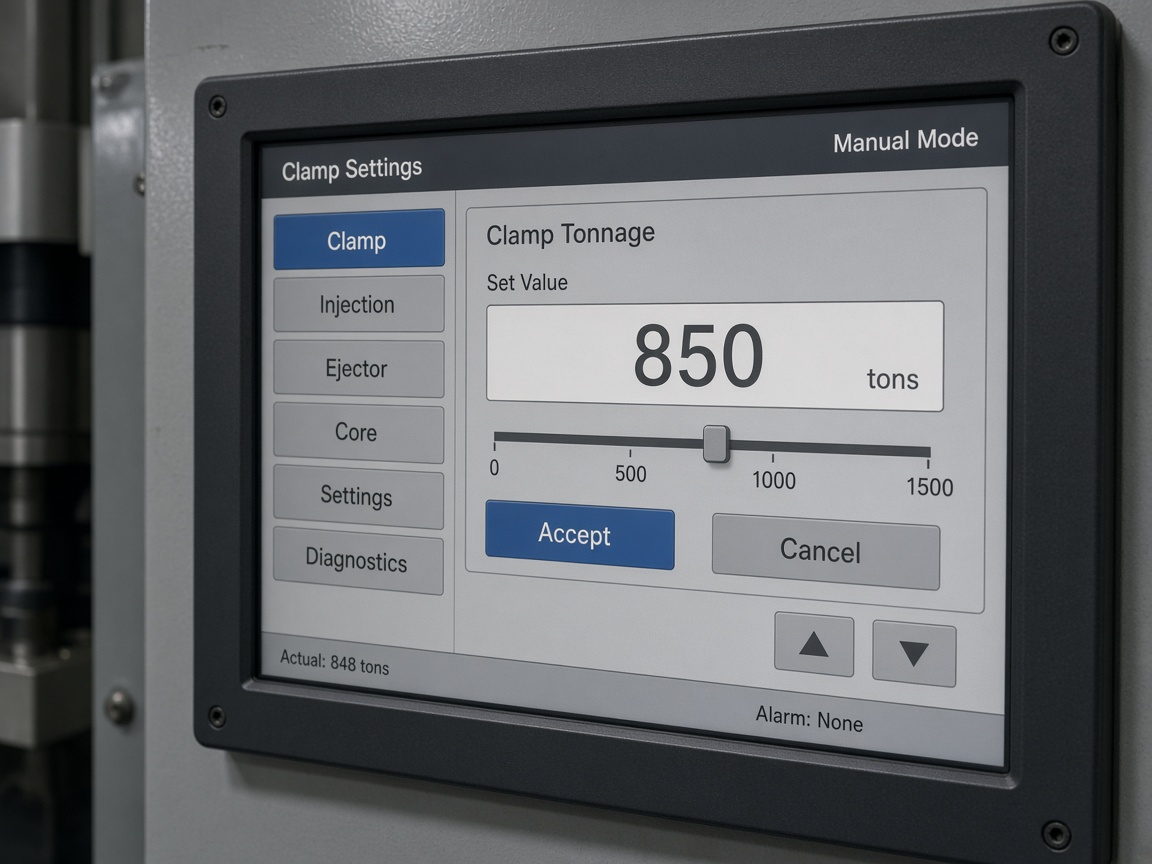
Vocabulary
Use this when a supplier email swaps words mid thread.
| Term | What it usually means |
|---|---|
| Tonnage | Clamp capacity rating on the press nameplate |
| Clamping force | Force required to keep the mold shut during fill and pack |
| Clamp capacity | Same idea as tonnage rating on the machine |
| Lock force | Shop floor wording for available clamp on the press |
| Platen size | Footprint limit, not a substitute for tonnage math |
| Shot size | Plastic volume the screw can deliver per stroke |
Units
Confirm units before you compare quotes from US, Asian, or European suppliers.
One US ton equals 2,000 lb, common on North American nameplates
One metric ton equals 2,204 lb, common on many Asian and European listings
About 1,000 kN is roughly 102 metric tons or 112 US tons
European and Chinese machines often list kN; US machines often list US tons
A 5,000 kN rating is about 500 US tons of clamp capacity, not 5,000 tons
Machine window
A press can have enough tonnage and still reject the mold because the tool does not fit between the tie bars.
Shot size: does the barrel hold enough material for one cycle?
Tie bar spacing: will the mold fit between the bars?
Platen size: does the mold footprint fit the mounting pattern?
Shut height and daylight: can the press open far enough for part ejection?
Ejection stroke: does the ejector system clear the part?
Injection pressure and plasticizing rate: can the machine fill and pack the cavity?
Go deeper
Each link is a different angle on the same program.
Calculate required clamp from projected area.
Clamping forceSeparate constraint from nameplate tonnage.
Shot sizeCavity pressure drives separation load.
Cavity pressureOver clamp can crush vent lands.
VentTypical symptom when clamp margin is too low.
Flash defectRunner style changes tonnage math.
Hot runnerLong form guide for engineers freezing CAD.
DFM articleVisual reference
Images are selected from the NetProto Forge media library for this topic.
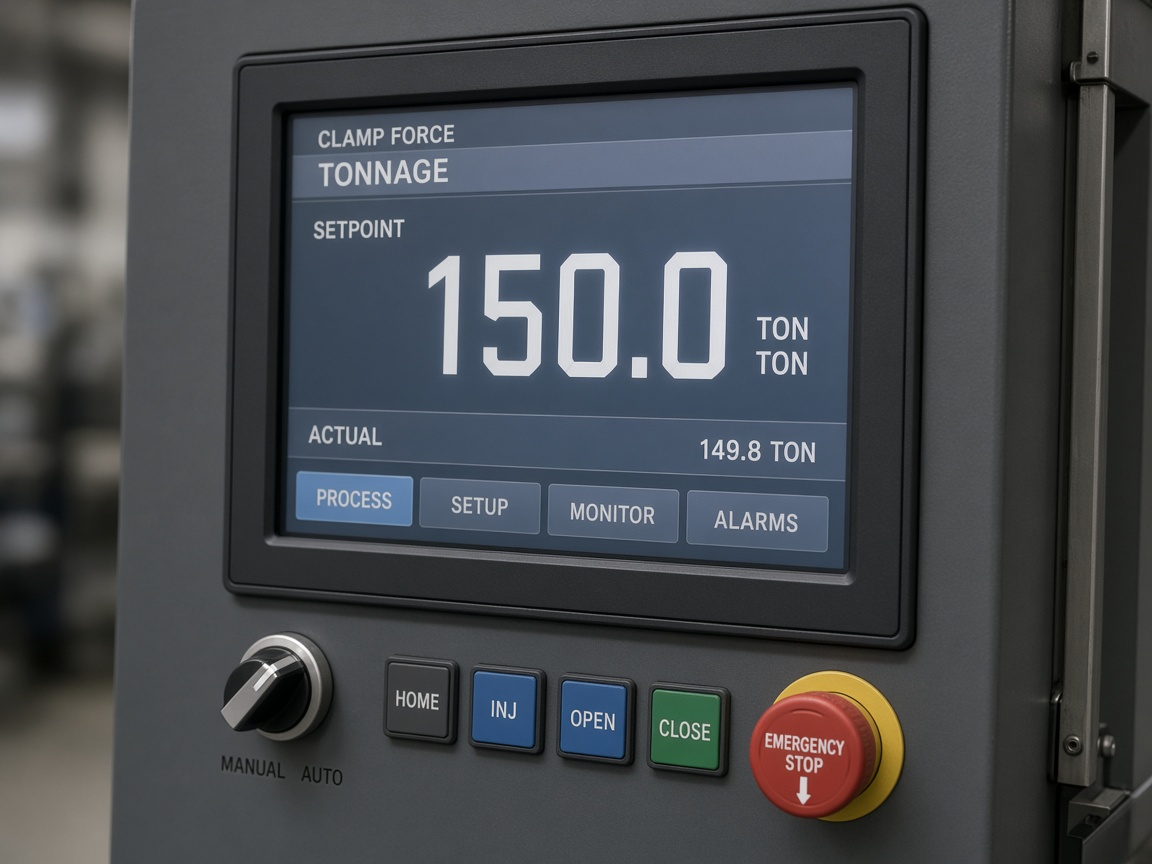
Injection molding machine nameplate showing tonnage rating c
Injection molding machine nameplate showing tonnage rating close up
Press HMI screen displaying clamp force or tonnage setting
Press HMI screen displaying clamp force or tonnage setting
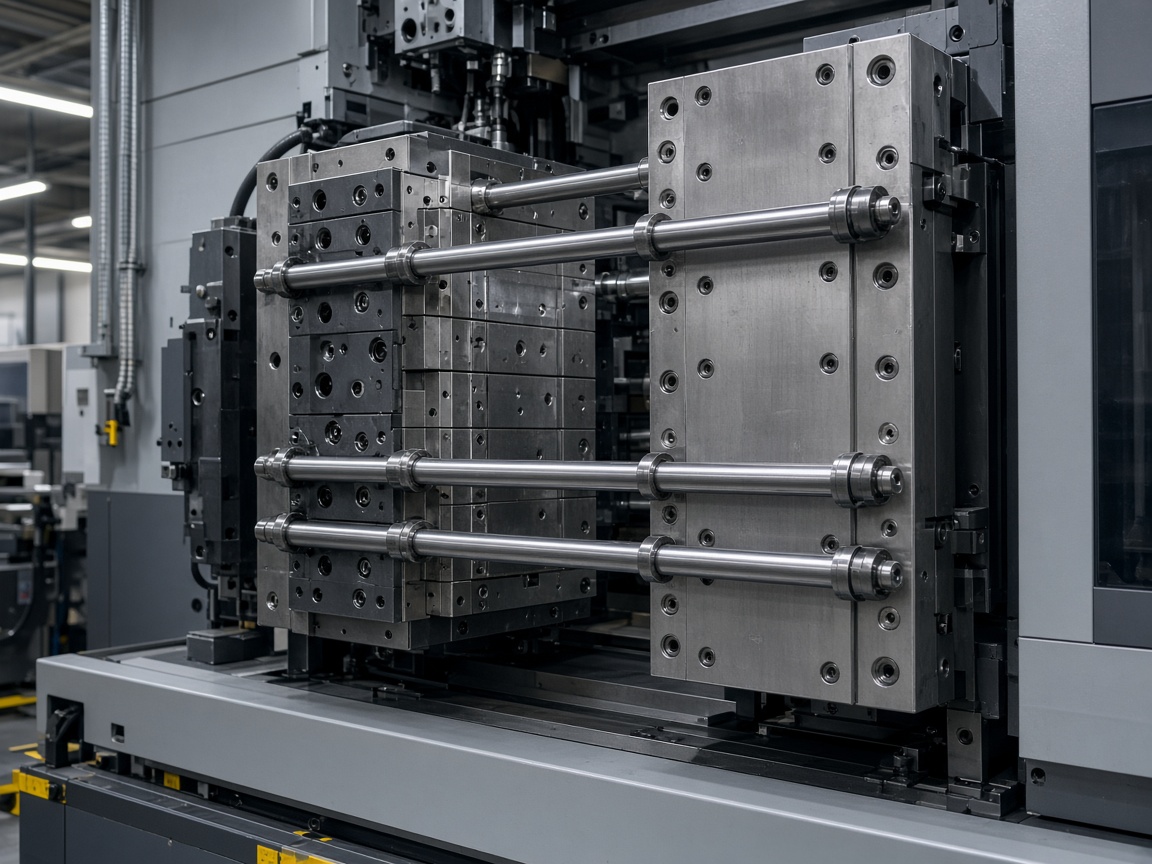
Injection molding machine platen and tie bars with mold moun
Injection molding machine platen and tie bars with mold mounted
FAQ
No. Tonnage is the machine rated clamp capacity. Clamping force is the force needed to resist cavity pressure on your part. See the clamping force page for estimation.
Different press fleets. One shop may run the job on a 300 ton press, another on a 350 ton press. Both can produce the same part if the machine window fits.
Only if you have a validated process window. Otherwise send CAD with parting direction and let the molder match the tool to their fleet.
Both are valid. About 1,000 kN is roughly 102 metric tons or 112 US tons. Confirm which unit your molder uses on quotes.
Yes. Tie bar spacing, platen size, shut height, and shot size all matter. Tonnage alone does not guarantee the mold fits the press.
No. Oversized clamp can crush vents, overload cores, and increase hourly rate without improving part quality.
Both. Tonnage helps keep the mold shut. Shot size ensures the cavity fills. They are independent constraints.
Not necessarily. Cycle time is driven by cooling and ejection more than the nameplate tonnage.
Next step
Send 3D CAD with parting direction so tooling and machine window align on one quote.