
Open gate (thermal gate)
- Nozzle tip stays open during injection; gate freeze happens at the tip after screw retract
- Lower cost on many layouts
- Gate vestige and stringing risk need process control
Glossary
A hot runner keeps runner channels molten between shots so only the part solidifies. Heated manifolds and drops cut cold runner scrap on many high volume programs.
Definition
A hot runner is a heated manifold system in an injection mold that keeps the runner channel molten between shots.
Only the part solidifies; the runner stays liquid for the next cycle.
Hot runner systems eliminate cold runner scrap and can shorten cycle on many high volume programs.
For the unheated alternative, see the cold runner page. For feed path balance and a full system comparison table, see the runner glossary entry.
Tooling
Manifold, drops, valve gates, and temperature control define hot runner scope.
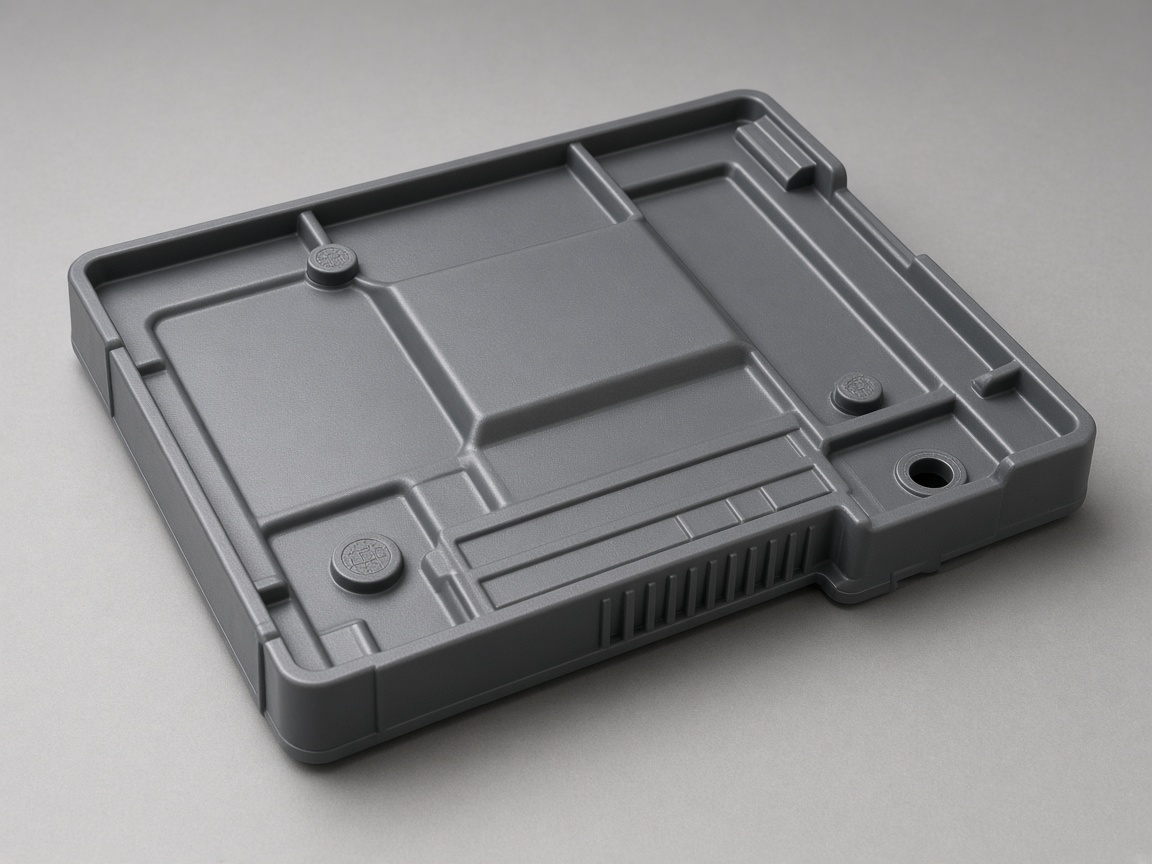
Tradeoff
Tooling capital, maintenance, and resin sensitivity belong in the same RFQ thread as volume.
Hot runner eliminates cold runner scrap and can reduce cycle at higher tool cost and service need. Use the runner glossary entry for the full cold versus hot comparison table.
Components
Supplier scope varies by manifold brand and cavity count.
Manifold: distributes melt from the machine nozzle to multiple drops; maintains temperature across branches
Manifold layouts include H type, X type, Y type, and stack mold manifolds that serve two parting planes
Nozzle (drop): delivers melt to each gate; open thermal gate, valve gate, and other variants exist
Heater bands or heater rods maintain melt temperature in manifold and nozzle channels
Thermocouple monitors temperature at control points for closed loop regulation
Controller (temperature control module): PID per zone with fault detection for heater or TC failure
Valve pin actuator on valve gate drops: pneumatic or hydraulic cylinder opens and closes the gate
Gates
Gate style is a tooling decision tied to cosmetics, fill sequence, and budget.
Process
Heat sensitive resins need honest shot size versus manifold volume planning.
Melt sits in the manifold between cycles; long residence can degrade heat sensitive resins such as PVC, POM, and some flame retardant grades
Shot weight should be sized to the hot runner system; oversized channels increase degradation risk
Color or material change requires purging manifold and nozzles; purge volume scales with manifold capacity and drop count
Dark to light transitions take longer; frequent weekly color changes can offset hot runner material savings
Maintenance
Preventive checks belong in the mold maintenance plan, not only after a line stop.
Heater burnout: localized cold spot causes freeze off or degraded melt
Thermocouple failure: loss of control leads to runaway heat or freeze
Leakage: manifold seal failure spills plastic into the mold base
Valve pin wear or sticking: gate fails to close, causing flash or drool
Scheduled heater resistance checks, TC calibration, and seal inspection reduce unplanned downtime
Selection
Patterns for scoping RFQs; validate on CAD, volume, resin cost, and quality plan.
Clamp
Projected area and cavity pressure still drive clamp sizing.
Hot runner melt pressure acts on cavity and manifold plates; high cavitation layouts can need more clamp margin than a simple cold runner impression of the same parts
Verify balance and cavity pressure with mold flow before you lock tonnage on the quote
Go deeper
Each entry covers a different lever on the same tool.
Balance and cold versus hot comparison table.
Runner feed pathTimed shutoff on hot drops.
Valve gateFill sequence on large or multi cavity tools.
Sequential valve gatingUnheated feed path and trim scrap.
Cold runner alternativeEntry after the drop.
Gate location DFMManifold stack integrates with plates.
Mold baseLayout rules on the DFM hub.
Runner design guideVisual reference
Images are selected from the NetProto Forge media library for this topic.
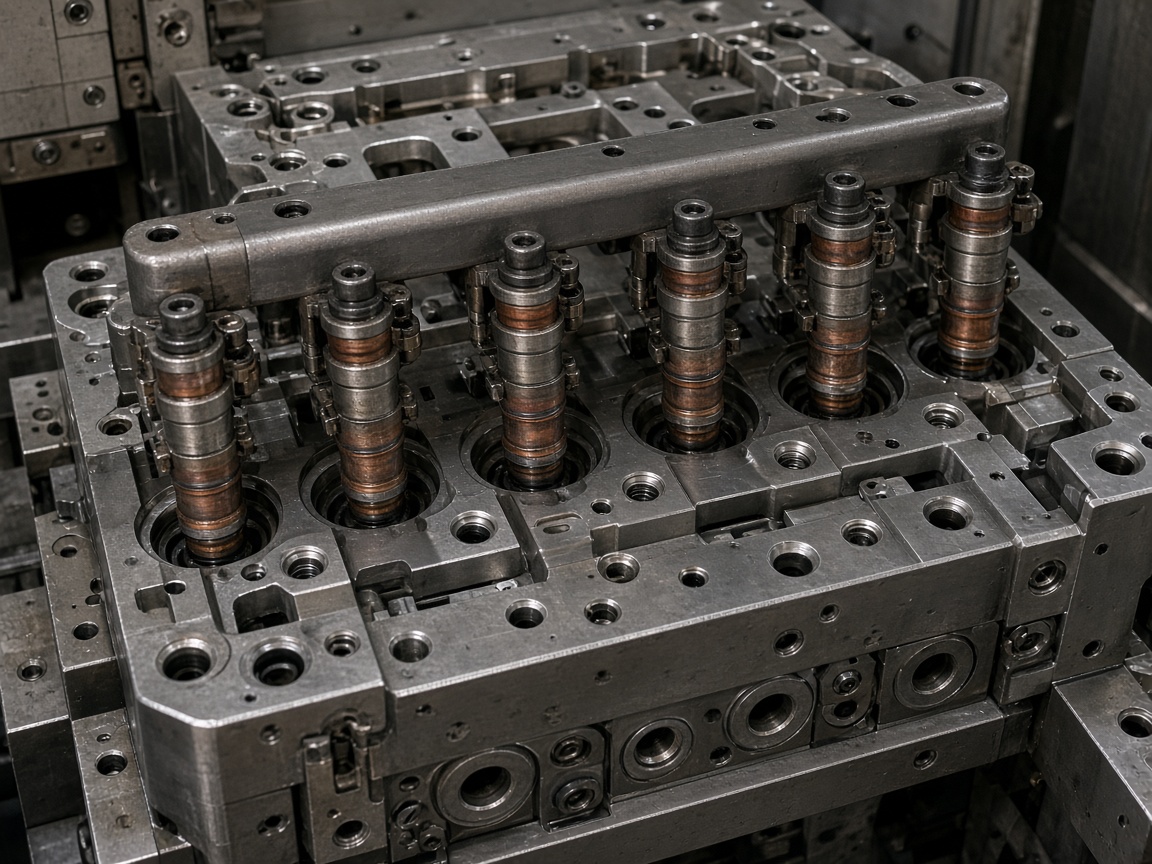
Hot runner manifold plate assembly on injection mold tooling
Hot runner manifold plate assembly on injection mold tooling
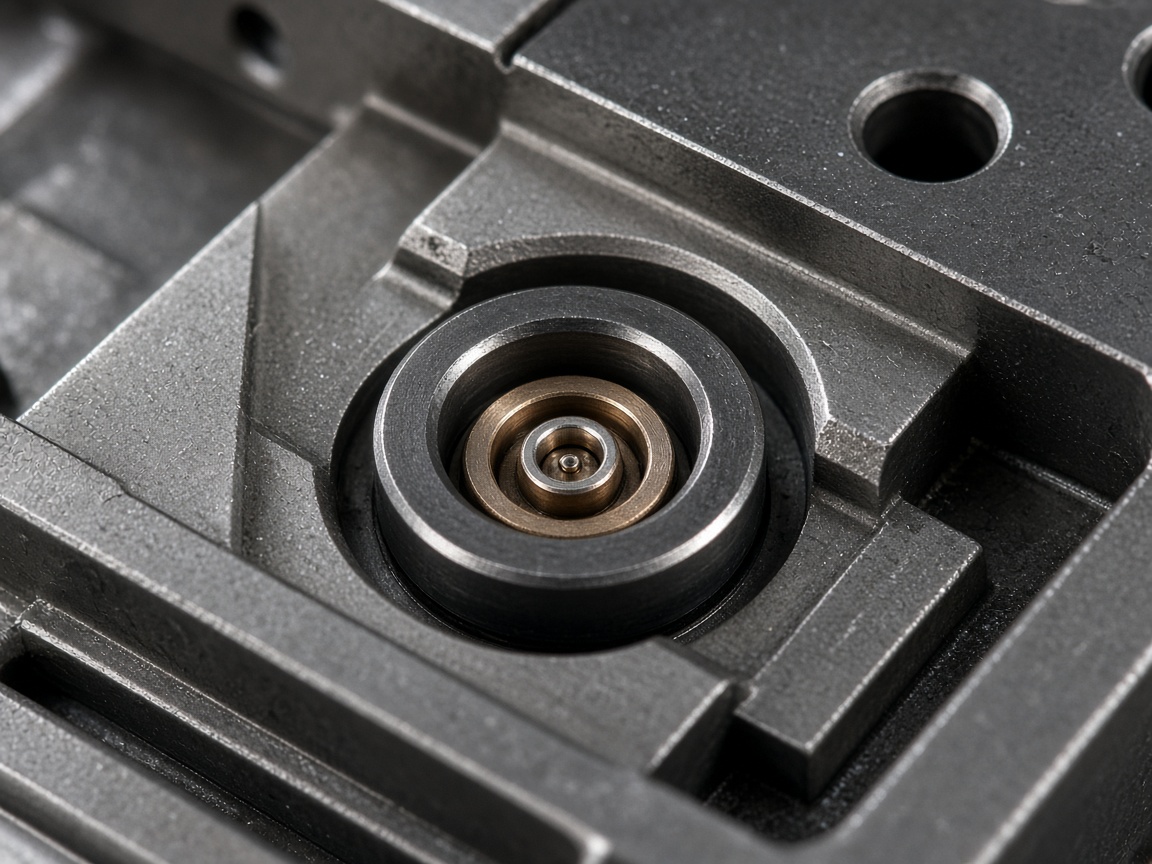
Valve gate hot drop nozzle close up on mold steel
Valve gate hot drop nozzle close up on mold steel
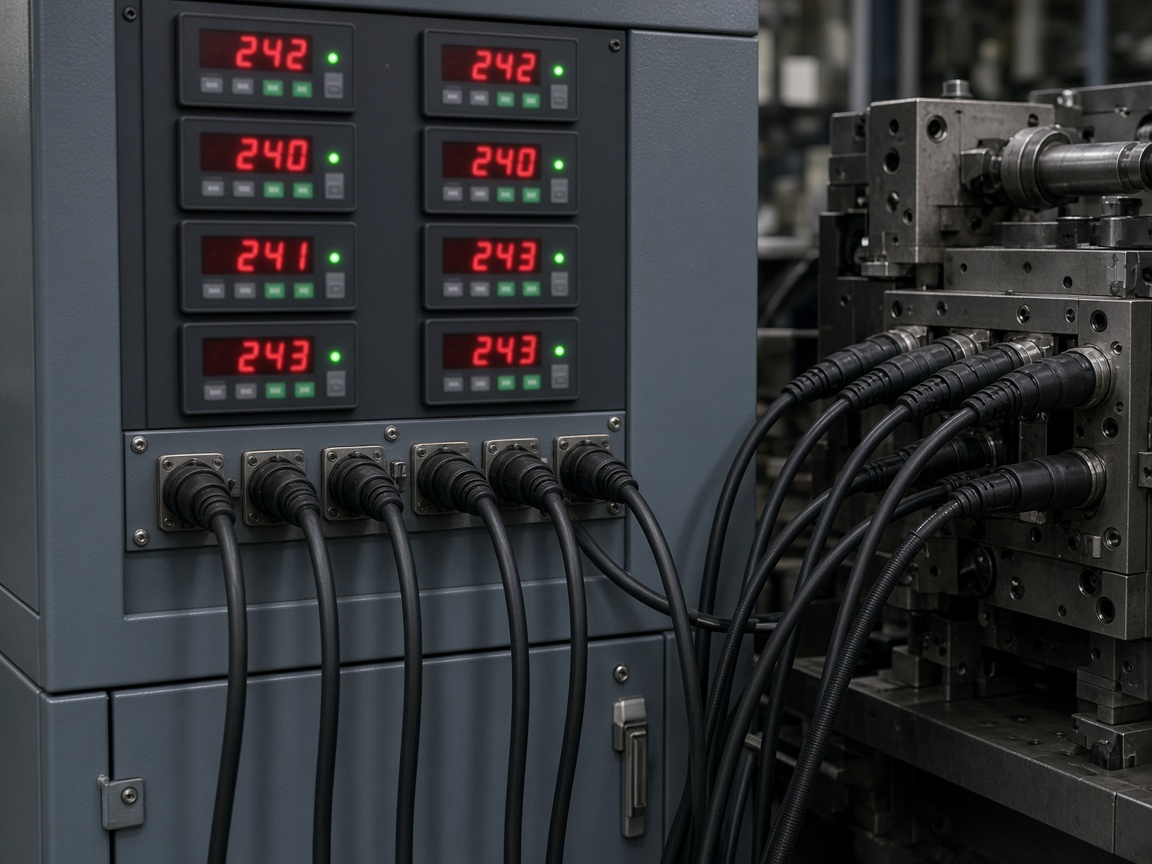
Hot runner temperature control module on injection press
Hot runner temperature control module on injection press
FAQ
Neither is universal. Hot runner fits many high volume and low scrap programs. Cold runner fits many low volume and color change programs. Start with volume, cavity count, and resin cost, then see the runner page comparison.
Manifold, heated drops, temperature control, and on valve gate tools, pins and actuators. Heaters and thermocouples maintain melt temperature between shots.
Open gate nozzles stay open during fill and freeze at the tip. Valve gates use a pin to open and close for cleaner break and sequential fill.
Life depends on resin, cycle, and maintenance discipline. Heater and seal inspection schedules prevent most unplanned stops rather than a fixed hour rating.
Yes with purging time and scrap during changeover. Frequent changes favor planning purge volume and may favor cold runner on some programs.
Heat sensitive grades with strict residence limits need careful manifold sizing or cold runner instead. Confirm on material data and process window.
Eliminating runner cooling and trim often shortens cycle on high volume tools. Controller tuning and gate style still set the practical floor.
Manifold, drops, and controls add tooling capital versus cold runner. Payback depends on scrap avoided, labor saved, and annual volume.
Next step
Upload CAD with annual volume, material spec, and cavity count to confirm whether hot runner economics work for your program.