
Patterns that suggest venting
- Burn at the last region to fill or end of rib
- Short fill at the same pocket every shot
- Sizzle or smoke at parting line on startup
Glossary
A mold vent releases trapped air during fill through shallow steel paths at the parting line or vent pins.
Definition
A mold vent is a shallow path that lets trapped air escape while the cavity fills.
It is a very shallow groove at the parting line, insert interface, or around ejector features. Gas exits without letting molten plastic flash out under normal process windows.
Vents are shallow paths that let air out so plastic can reach the end of fill. Without them, air compresses and can burn or block fill.
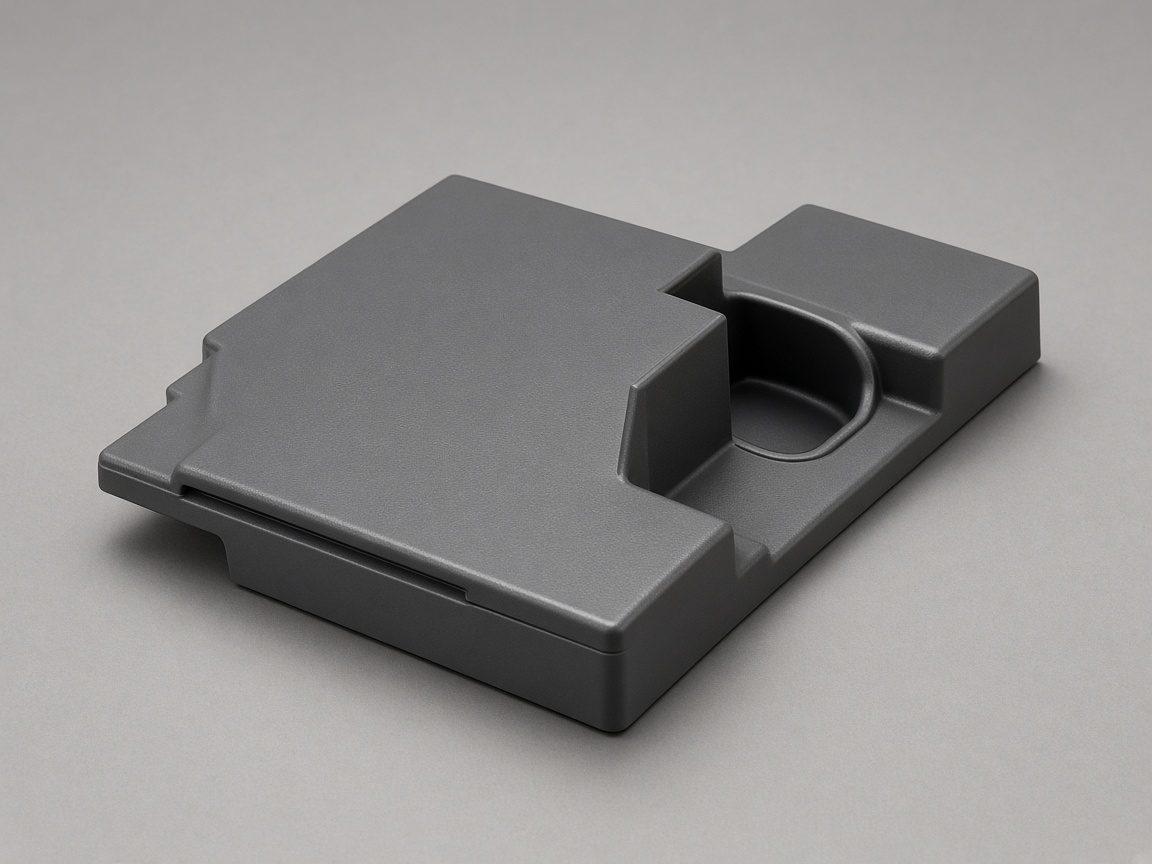
Vent depth is a small fraction of a millimeter on steel and depends on resin viscosity, wall thickness, and flash limits. Low viscosity grades such as soft TPU need tighter depths than many rigid housings.
Common types include parting line vents, ejector pin vents for deep ribs, insert vents at shutoffs, porous metal inserts for hard to vent pockets, and vacuum assisted venting on some high speed thin wall programs.
Tooling
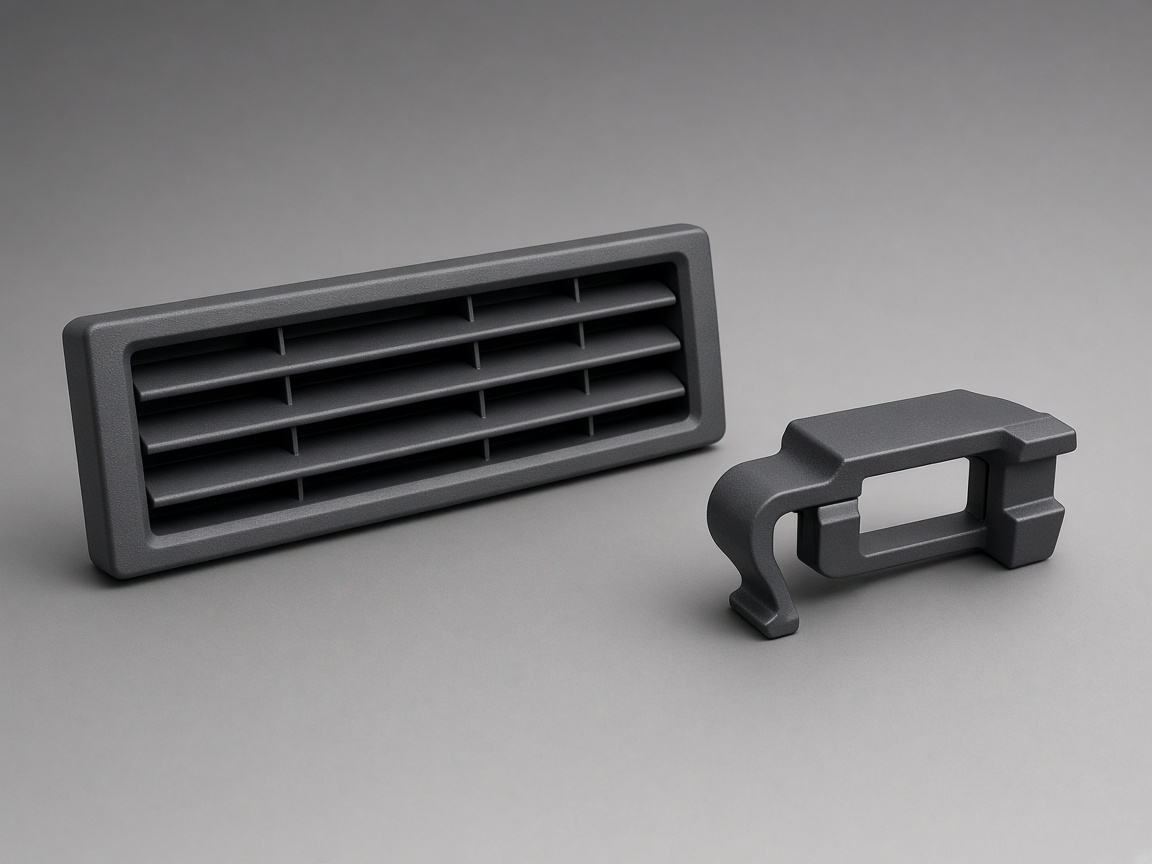
Parting line vents, vent pins, and defect links for burn and short fill.
Diagnostics
Use defect location on the part to decide whether to adjust venting, clamp, cooling, or material prep.
CAD
These reduce trapped air surprises at T1.
Avoid blind pockets with no parting line escape path
Call out foam or seal areas that cannot tolerate vent flash
Note cosmetic faces where vent witness must stay hidden
Mark deep ribs that need vent pins in tooling notes
On RFQ, note blind pockets or cosmetic surfaces that constrain vent placement before steel is cut
Go deeper
Each link is a different angle on the same program, not a duplicate definition.
Gate location sets last fill regions.
GateMany vent pins land on core shutoffs.
CoreDefect page for trapped gas symptoms.
Air trapsPart design and shutoff planning.
Mold venting guideMoisture defects versus trapped air.
Resin dryingVisual reference
Images are selected from the NetProto Forge media library for this topic.

Parting line vent land on injection mold steel close up
Parting line vent land on injection mold steel close up
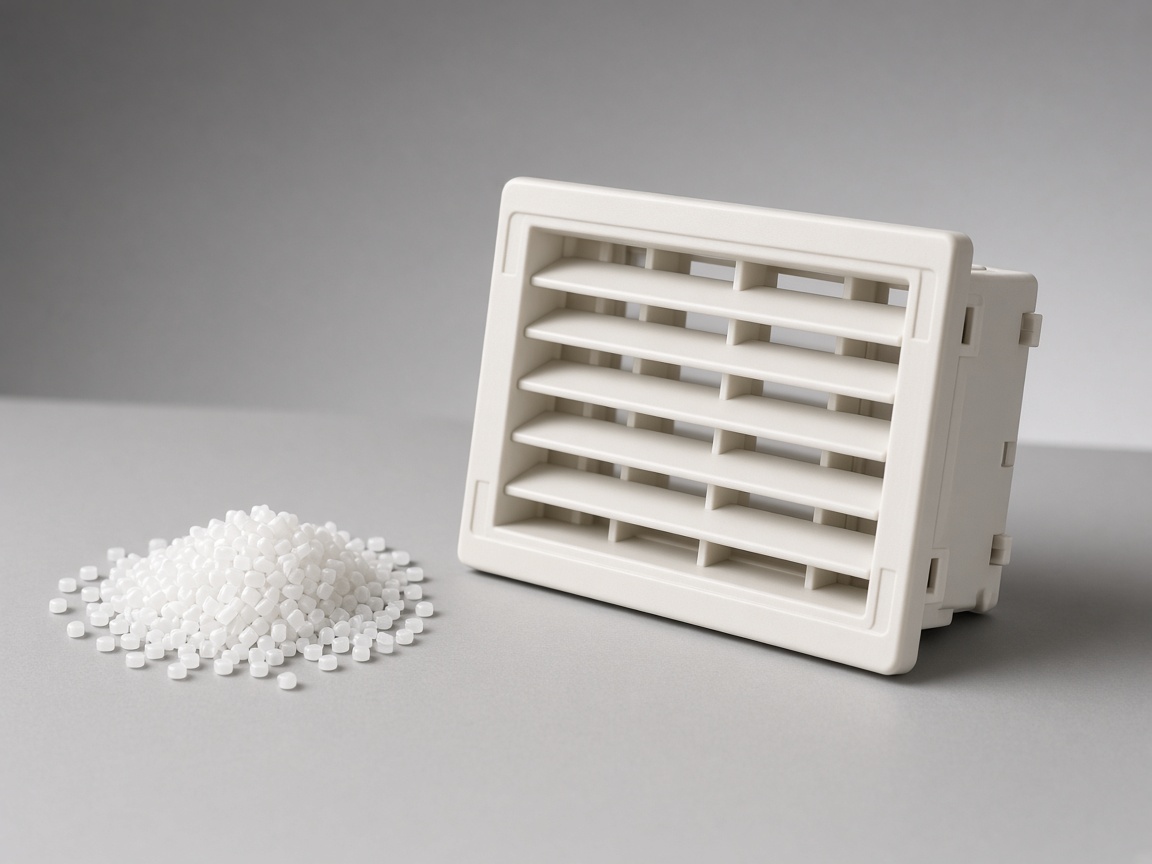
Burn mark at last fill region on molded plastic part
Burn mark at last fill region on molded plastic part
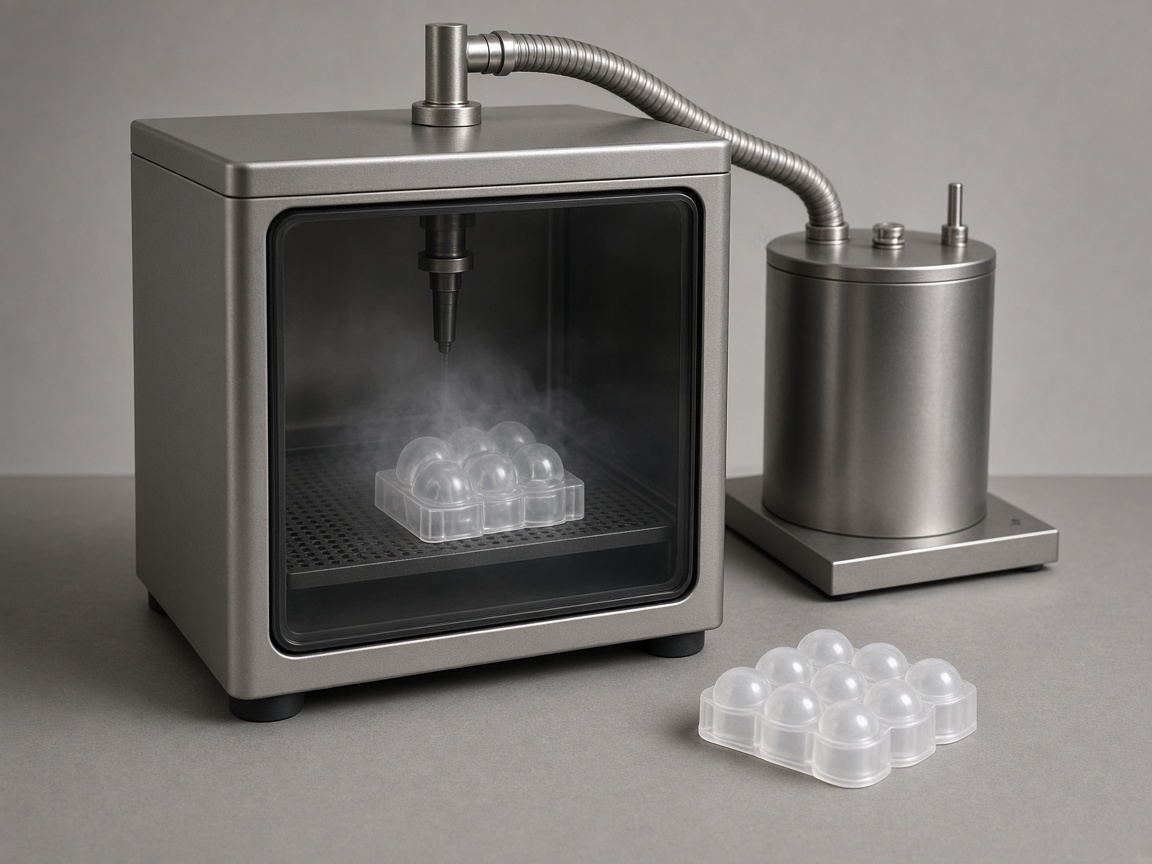
Deep rib short fill from trapped air in molded housing
Deep rib short fill from trapped air in molded housing
FAQ
A mold vent is a shallow steel channel that lets air leave the cavity during fill. It sits at the parting line, inserts, or vent pins so gas does not compress at the last fill.
Depth is shallow compared with wall thickness and is set to pass air without flash. Exact land depth depends on resin, process, and flash limits on the drawing. Tooling prints carry the value for each shutoff.
Parting line vents are the default at shutoffs. Ejector pin vents reach deep ribs away from the parting line. Vacuum venting pulls air from the cavity on specialized high speed tools.
Vents can fill with residue or polish paste. Maintenance includes cleaning parting lines, inspecting vent lands, and re cutting when flash or burn returns after many cycles.
Texture does not replace vent paths, but trapped air at rib ends or pockets still needs a route to atmosphere. Cosmetic texture zones may limit where vent witness is allowed.
Burn at last fill often points to trapped air or too fast fill into a dead end. Check vent path first, then fill rate and material degradation.
Vent flash can leave a faint witness on parting lines if process or maintenance drifts.
Sometimes via vent pins or parting adjustments, but prevention in DFM is cheaper.
Low viscosity materials flash vents faster, so shutoff and vent depth need tighter control.
Next step
Upload CAD and resin notes when burn or short fill appears at the last fill region.