
Weight only after each shot
- Slow iteration when lot or moisture changes
- Harder to diagnose multi cavity fill imbalance
Glossary
Cavity pressure is melt pressure inside the mold during fill and pack. It is lower than machine hydraulic readings and guides scientific molding setup.
Definition
Cavity pressure is melt pressure measured inside the mold during fill and pack, not hydraulic pressure at the machine.
Cavity pressure is not the same as machine hydraulic pressure or nozzle pressure. It reflects actual melt pressure in the impression and is always lower than what the machine display shows at the screw.
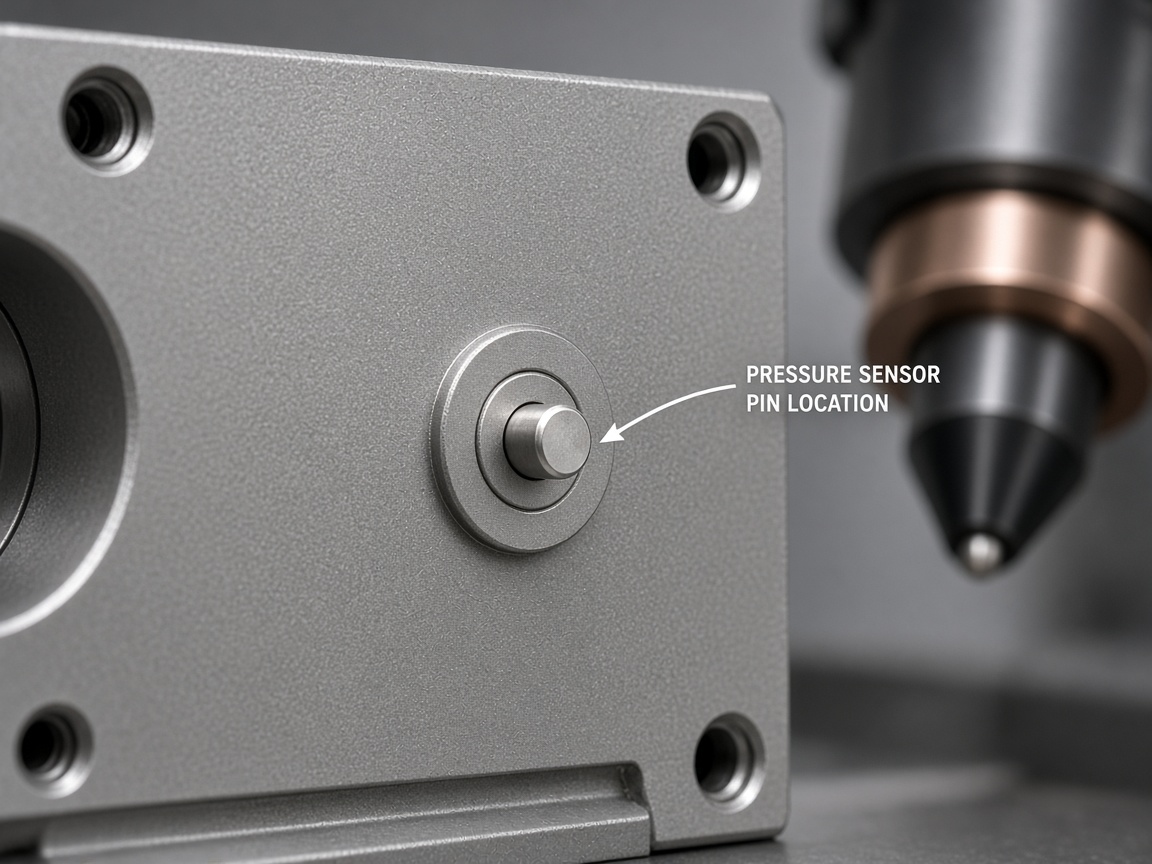
Pressure developed inside the cavity during fill and pack is what sensors record as cavity pressure.
From nozzle to cavity, pressure drops at each restriction: sprue, runner bends, and gate land. The cavity reading is often well below the machine setpoint. That gap is normal when it repeats shot to shot.
Sensors are usually mounted behind an ejector pin or flush with cavity steel near the last fill point.
Process
Peak and hold curves support scientific molding, capability runs, and multi cavity balance checks.
Process data
Molders watch shape and repeatability across fill, pack, and hold, not a single universal peak for every resin.
Fill phase: pressure rises as melt enters the cavity
Pack phase: pressure holds or ramps while material compresses before gate freeze
Hold phase: pressure decays as the gate seals and the part cools
Peak cavity pressure varies with resin viscosity, wall thickness, and gate size. Compare your curve to a stable production window, not an internet average.
Some references divide cavity pressure by projected area to report specific pressure. Most shops still tune from raw sensor traces.
Control
Profiles reduce guesswork when viscosity drifts or cavitation count rises.
Diagnostics
Trace shape helps tie process data to part defects during setup and production.
Peak pressure too low: short shot or incomplete fill
Peak pressure too high: flash, overpack, or stuck parts
Different peaks cavity to cavity in multi cavity tools: fill imbalance
Curve not repeatable shot to shot: process instability or material inconsistency
Pack pressure decays too fast before gate freeze: sink or excessive shrink on thick sections
RFQ
Standard quotes focus on part quality unless the RFQ defines in mold data.
Programs that require process capability (Cpk) on critical features
Shear sensitive resins or narrow processing windows
Multi cavity tools where fill balance must be verified
Optical, automotive safety, or regulated device programs with documented process records
Go deeper
Each link is a different angle on the same program, not a duplicate definition.
Where melt pressure is measured.
Mold cavityData driven setup method.
Scientific moldingCpk after stable profiles.
Process capabilityGate freeze ends pack influence.
GateTimed drops change pressure traces.
Valve gateVisual reference
Images are selected from the NetProto Forge media library for this topic.
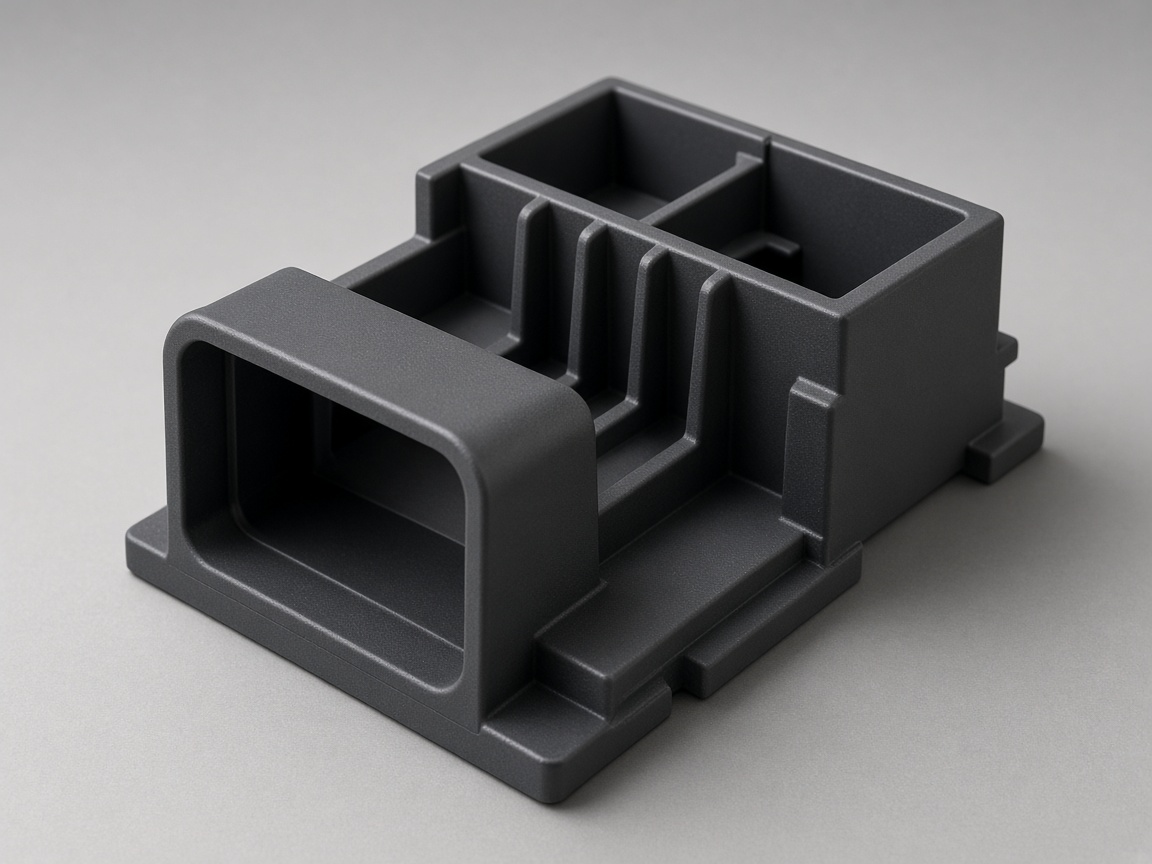
Injection molding process monitoring at the press
Injection molding process monitoring at the press
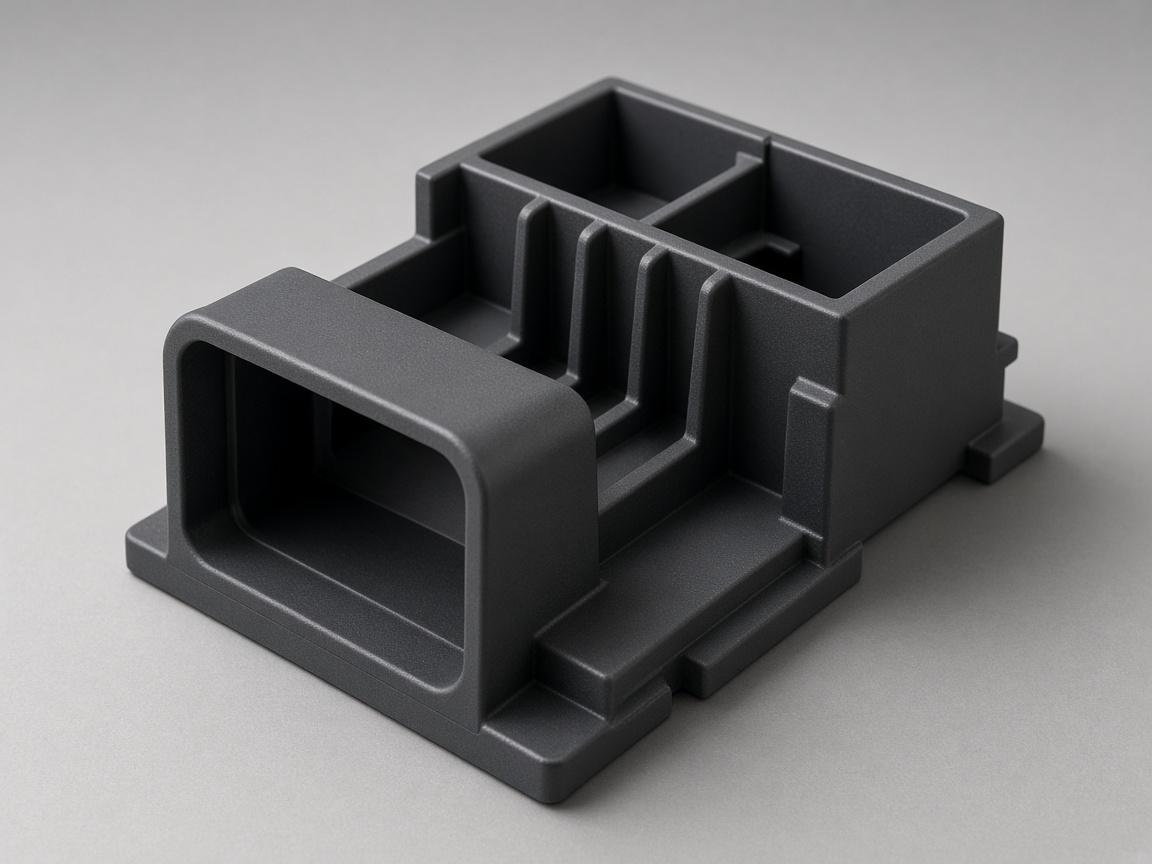
Molded part quality check with process data context
Molded part quality check with process data context

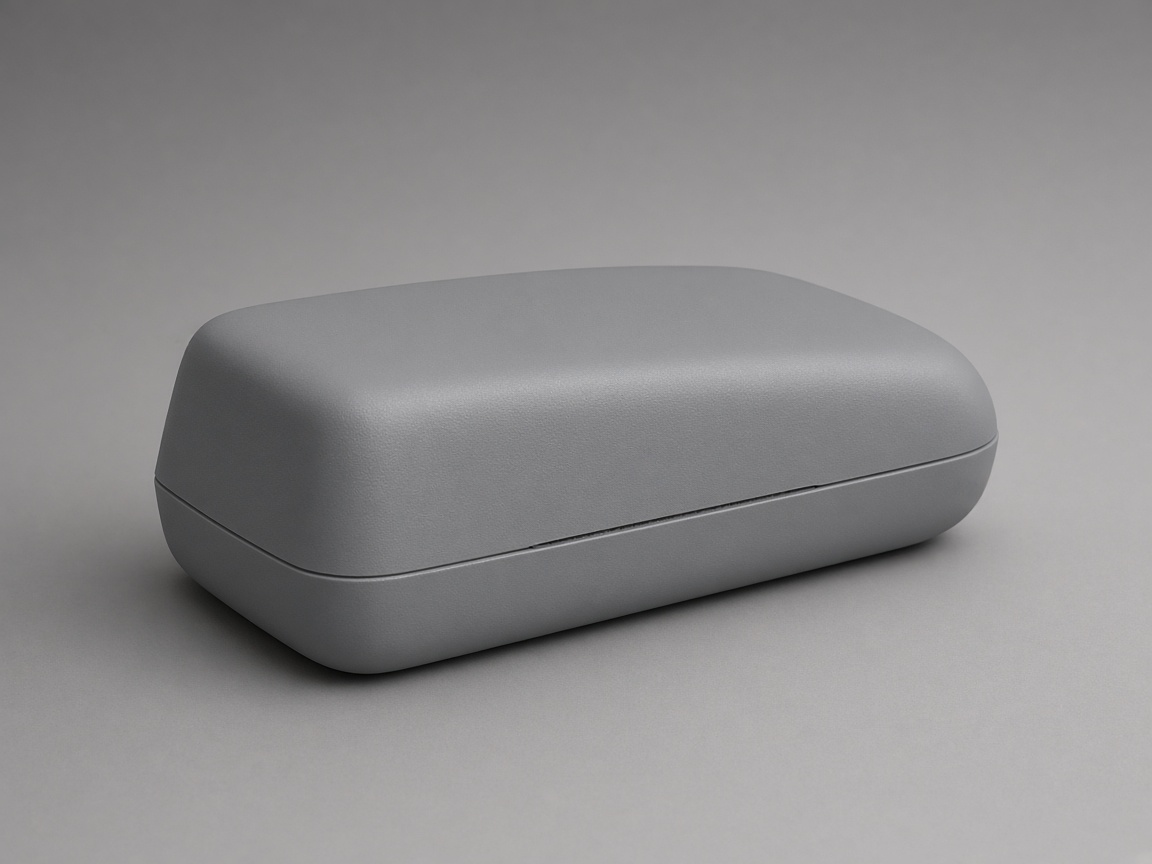
Plastic housing production with scientific molding setup
Plastic housing production with scientific molding setup
FAQ
Injection or hydraulic pressure is what the machine applies at the screw. Cavity pressure is melt pressure inside the mold impression. It is always lower because of losses through sprue, runner, and gate.
Peak level and timing show whether fill completed and how hard the cavity was packed before gate freeze. Compare peak and integral to a stable reference curve, not one number in isolation.
Low peak often tracks short fill. High peak can track flash or overpack. Fast pack decay before the gate seals can track sink away from the gate on thick sections.
A good curve repeats shot to shot and matches a validated window for that tool, resin, and gate. Shape through fill, pack, and hold matters more than copying another program's peak.
Piezoelectric and strain gauge sensors are common. Piezo units suit high frequency data. Strain based pins suit many production molds. Placement near last fill is critical for both.
Teams store reference profiles, then adjust pack and hold when viscosity shifts. It pairs with gate freeze studies and capability runs.
Request it when RFQ defines capability, fill balance, or documented process control. It is usually not in a basic piece price quote.
Retrofit is possible but costly compared with planning sensor pockets in steel.
No. FAI still documents part dimensions versus drawing.
Next step
Upload CAD and SPC requirements when in mold cavity pressure data is expected.