
Automatic degate
The tunnel shears on eject. That is the hide, not a free lunch.
Sub gates
Use a sub gate when you want automatic degate and a hidden mark. DFM review checks cosmetics, resin, and ejector clearance on CAD.
Design guideline
A sub gate tunnels through steel and shears as the part ejects. Vestige hides near the parting line. Abrasive resins wear the tunnel. Soft elastomers may not shear clean.
Steel at the tunnel erodes on glass-filled resins. Ejector motion must clear the slug without tearing the part. Gate types compare this hide to edge and hot-tip marks. Ejection design owns the push. DFM review needs cosmetic faces.
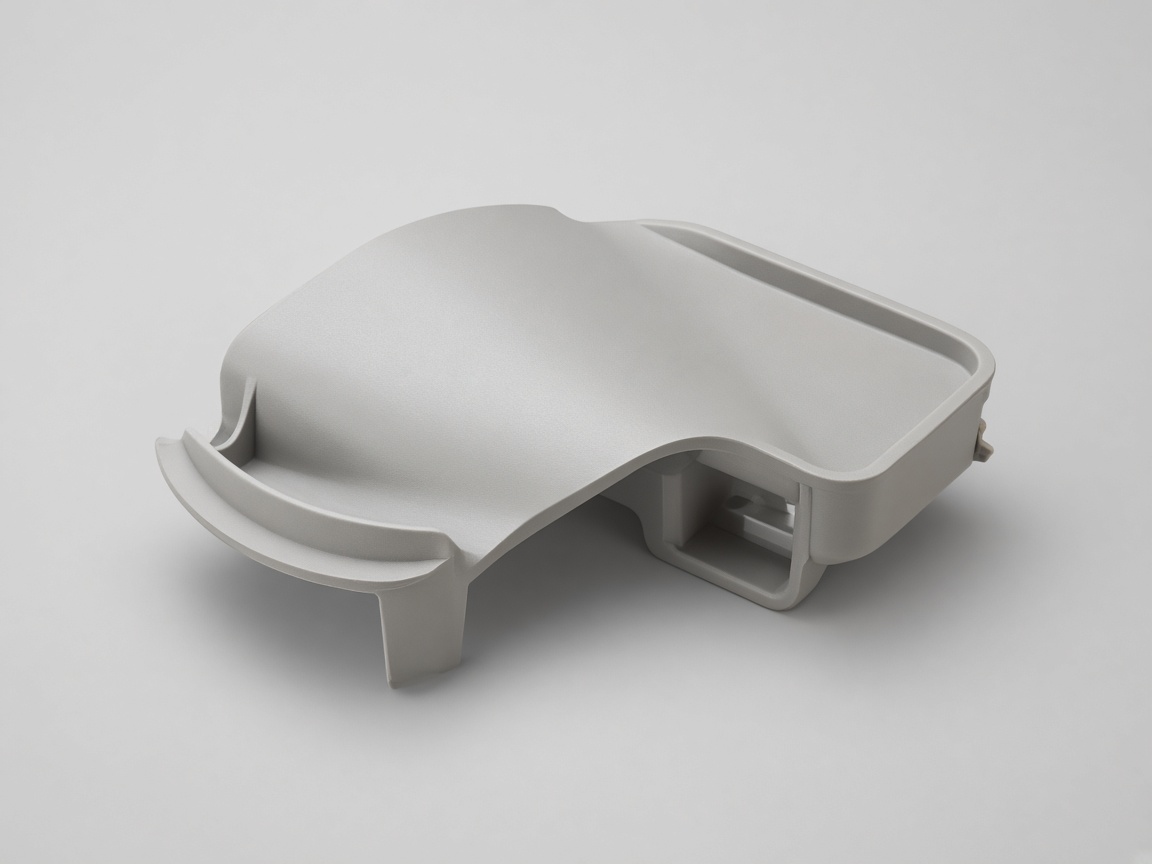
This spoke owns the tunnel. Parting line owns the seam the gate sits on. Hot tip gates are the hot-drop alternative. The design guide hub lists every topic.
Roles
Stay here for the tunnel. Open a sibling for types, ejection, or the parting line.
| Page | Use it for |
|---|---|
| Sub gates (this page) | Tunnel hide, shear, steel wear |
| Gate types | Compare tunnel to edge and hot tip |
| Gate location | Where any vestige is allowed |
| Parting line | The seam the tunnel sits on |
| Ejection design | The push that shears the gate |
| Runner design | The cold tree that feeds a sub gate |
| Draft angle | Draft still matters next to the tunnel |
| DFM review | CAD check before steel |
Checks
Qualitative checks. No figure on this page is a NetProto specification.
Automatic degate
The tunnel shears on eject. That is the hide, not a free lunch.
Steel wear
Glass-filled or abrasive resins eat the tunnel. Name the grade.
Soft resins
Soft elastomers may stretch instead of shear. Flag those grades.
Ejector clearance
The slug has to leave with the part. Ejection design owns the pins.
Decision
Wrong: add a tunnel after T1 on a glass-filled part. Right: pick the hide with resin and eject in mind.
RFQ
The quote can start from CAD alone. These notes make the DFM pass specific.
Faces that cannot show vestige
Resin family, especially glass-filled or soft
Parting-line intent
Whether automatic degate is required
Ejector side and keep-off faces
Whether a hot tip is an acceptable alternative
Related
Stay on this spoke for its question. Open a sibling for the neighbor topic or the CAD check.
How NetProto checks tunnel hides before steel.
DFM reviewFAQ
A tunnel, or submarine, gate that enters below the parting line and shears as the part ejects. Vestige hides near the seam.
Usually yes. The tunnel shears on eject. Soft grades may stretch instead.
Often poorly. They can tear or leave a string. Name the grade. DFM review comments on CAD.
A late add is steel work. Lock gate type before T1.
The tooling team. This page does not publish a gate size. Mark cosmetics and resin.
This spoke owns the tunnel. Gate types compare styles. Hot tips own the heated drop. DFM review checks CAD.
Next step
Share keep-off faces, resin, and parting intent so review can check the tunnel before quoting.