
Placement first
The mark sits where you allow it. Class-A faces are keep-off unless you accept it.
Gate location
Mark class-A keep-off faces and the last thin region. DFM review comments on CAD. This page does not publish a gate size.
Design guideline
The gate is where melt enters the cavity. Location sets fill, knit, and the mark you will see. This page owns where it sits. Gate types own the style. Weld-line strength owns loaded knits.
Gate location is where melt enters the cavity and where a witness can sit. Keep it off class-A faces unless you accept the mark. Fill from a thicker start toward the last thin region when you can. Gate types own the style. Weld line strength owns knits on loaded features. DFM review needs keep-off faces.
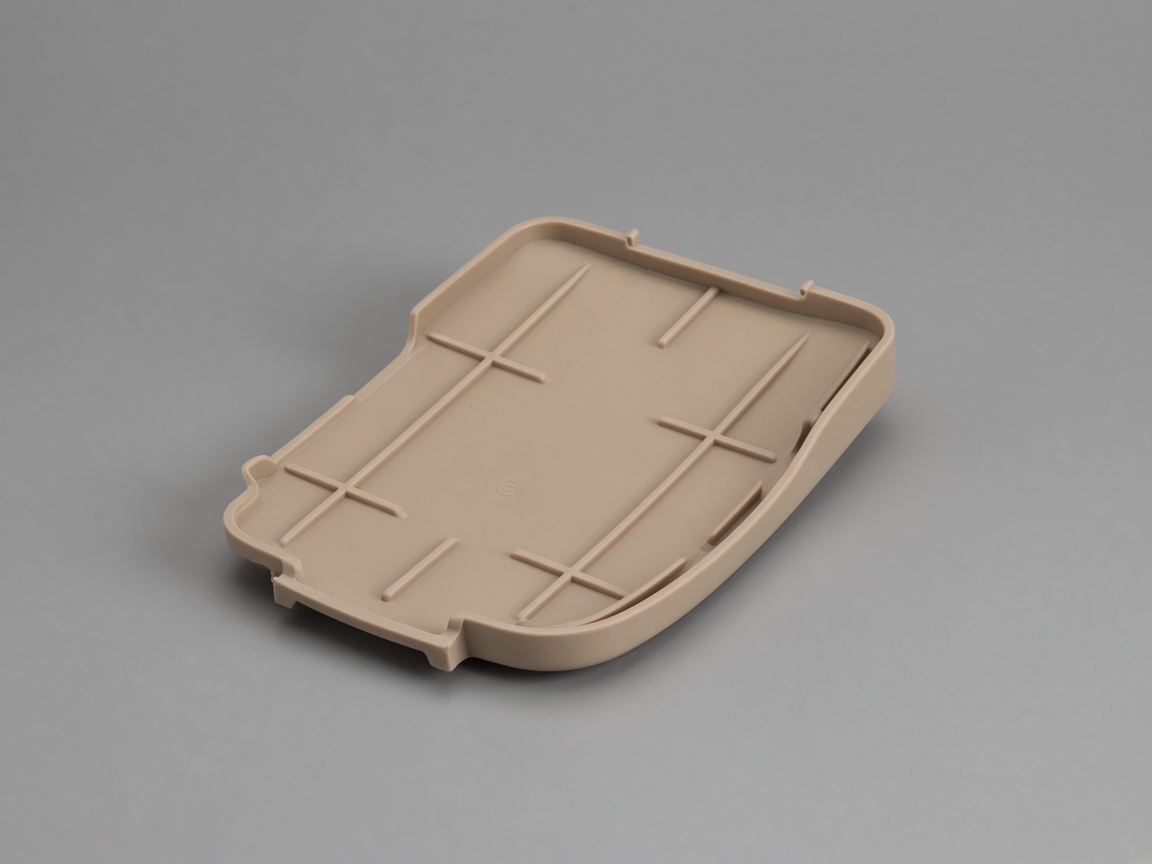
This spoke owns placement. The gate glossary defines the gate. Flow length ratio owns long thin paths. The design guide hub lists every topic.
Roles
Stay here for where the gate sits. Open a sibling for the style, the knit, or the path.
| Page | Use it for |
|---|---|
| Gate location (this page) | Where fill starts and the mark lands |
| Gate types | Edge, tab, sub, hot tip |
| Sub-gates | A hidden automatic degate |
| Hot-tip gates | A vestige on the face |
| Flow length ratio | Long thin paths from that start |
| Weld line strength | Knits that form after the split |
| DFM review | CAD check before steel |
Checks
Qualitative checks. No figure on this page is a NetProto specification.
Placement first
The mark sits where you allow it. Class-A faces are keep-off unless you accept it.
Style is a sibling
Edge, sub, or hot tip live on gate types. This page owns where, not which.
No published size
Gate diameter is not a NetProto spec. Placement is the buyer input.
Fill still matters
A start far from the last thin region raises a short or a knit. Open flow length.
Decision
Wrong: a vestige in the middle of a class-A lid. Right: keep-off faces marked, then let DFM review comment on the start.
RFQ
The quote can start from CAD alone. These notes make the gate-location pass specific.
Class-A keep-off faces
Acceptable witness zones if any
Last thin region that must fill
Preferred gate style if you already have one
Loaded snaps or bosses that cannot sit on a knit
Who approves the vestige
Related
Stay on this spoke for its question. Open a sibling for the neighbor topic or the CAD check.
What a gate is.
Gate glossaryGloss housings and visible knits.
PC/ABS weld visibilityHow NetProto reads keep-off maps on CAD.
DFM reviewFAQ
It is where melt enters the cavity. That spot sets fill, knits, and the witness. This page owns that placement.
Tooling proposes a start. You approve where a witness may sit. DFM review comments on CAD before that layout freezes.
A late move is steel work. Lock keep-off faces before the layout freezes.
It steers where fronts meet. Weld-line strength owns keeping that join off loaded features. Open that page for the load path.
This spoke owns where the gate sits. Gate types own the style. DFM review checks CAD.
Show class-A keep-off faces, acceptable witness zones, the last thin region, and any preferred style. Upload CAD so DFM review can comment before quoting.
Next step
Share keep-off faces and the last thin region so review can comment before quoting.