
Vestige first
Name faces that cannot show a mark. Style follows cosmetics.
Gate types
Pick the style with cosmetic class and resin in mind. This page compares types. Location and each style have their own spokes.
Design guideline
Gate type is how melt enters the cavity and how the leftover is removed. Small openings raise shear. Large openings leave more trim. Lock the style before steel, not after T1.
State acceptable vestige locations on CAD before mold design locks the style. Gate location owns the face. Sub gates and hot tip gates own those styles. DFM review comments before steel.
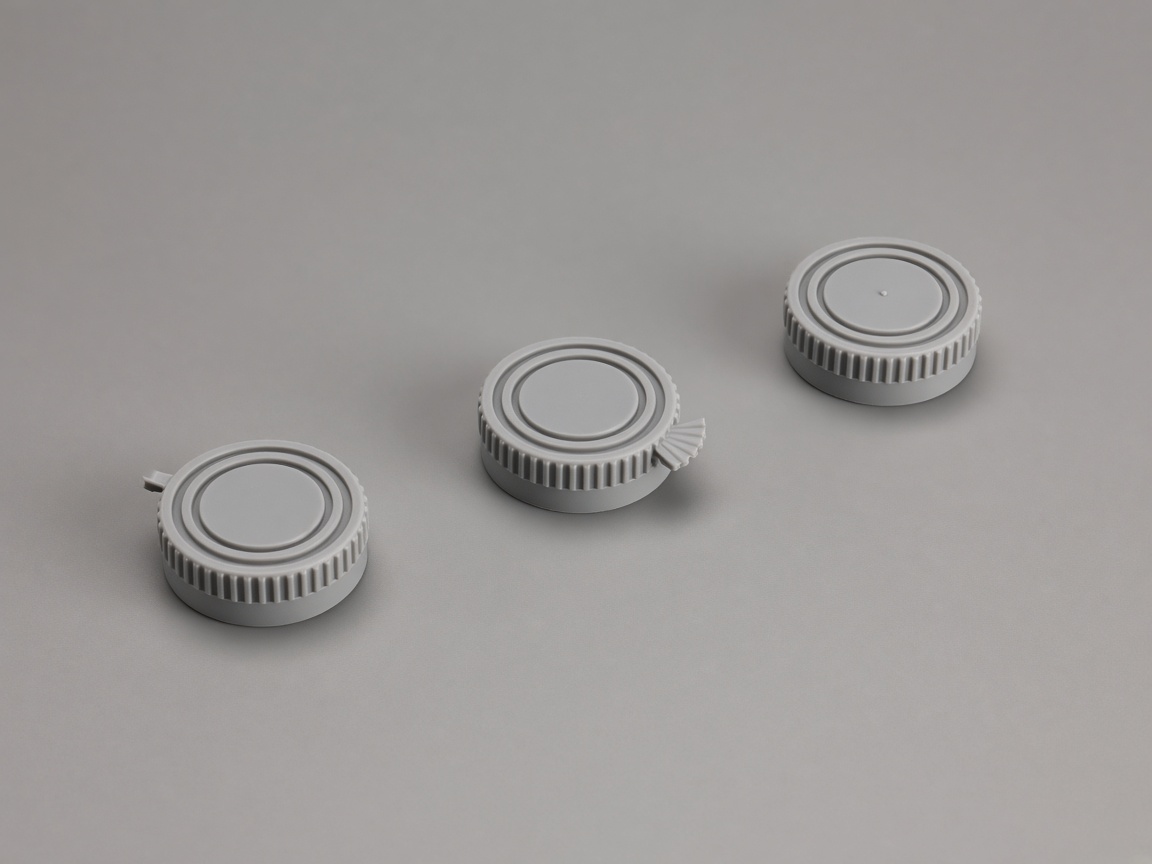
This spoke owns the comparison. The design guide hub lists every topic.
Roles
Stay here to compare styles. Open a sibling for one style or the face.
| Page | Use it for |
|---|---|
| Gate types (this page) | Compare vestige, shear, and degating |
| Gate location | Which face may take a mark |
| Sub gates | Tunnel hide on the parting line |
| Hot tip gates | Heated drop witness |
| Runner design | How melt reaches the gate |
| Parting line | Where many cold gates sit |
| Cold slug wells | Cold-runner end pocket |
| Ejection design | The push that shears some gates |
| DFM review | CAD check before steel |
Checks
Qualitative checks. No figure on this page is a NetProto specification.
Vestige first
Name faces that cannot show a mark. Style follows cosmetics.
Shear and resin
Small openings heat the melt. Sensitive grades need a gentler path.
Degating labor
Some styles trim by hand. Sub gates shear on eject. Hot tips leave a mark.
Do not invent a size
This page does not publish a gate size. The tooling team sizes it.
Decision
Wrong: freeze a face gate, then ask to hide it after T1. Right: compare styles against keep-off faces first.
RFQ
The quote can start from CAD alone. These notes make the DFM pass specific.
Faces that cannot show vestige
Preferred styles if you have them
Resin family and shear sensitivity
Whether automatic degate is required
Cold runner or hot runner intent
Color-change needs if a hot tip is in play
Related
Stay on this spoke for its question. Open a sibling for the neighbor topic or the CAD check.
How NetProto compares styles before steel.
DFM reviewFAQ
Edge, tab, sub or tunnel, and hot tip. This page compares leftover, shear, and degating. Each style has its own spoke when one is chosen.
A late change is steel work. Lock the style against keep-off faces before the tool is cut.
Yes. A hot tip is a style. The hot-tip page owns that drop. Gate location still owns the face.
Small openings raise shear heat. Sensitive grades need a gentler path. Name the resin.
The tooling team sizes it. NetProto does not publish a gate size on this page.
This spoke compares styles. Location owns the face. Sub gates own the tunnel. DFM review checks CAD.
Next step
Share keep-off faces, resin, and degate intent so review can compare styles before quoting.