
Draw direction first
Lock pull direction before you hide the seam.
Parting line
Lock draw direction, then hide the seam on a corner or flange when you can. DFM review comments on CAD before steel is cut.
Design guideline
The parting line is the seam where cavity and core meet. Flash and witness follow that seam. Side actions often start because the line cannot follow the cosmetic path.
Hiding the line on a sharp external corner is common when cosmetics allow a faint witness. Texture must shut off at the split. Flash is the defect when steel does not seal. Side actions appear when the line cannot release an undercut. DFM review needs draw direction on CAD.
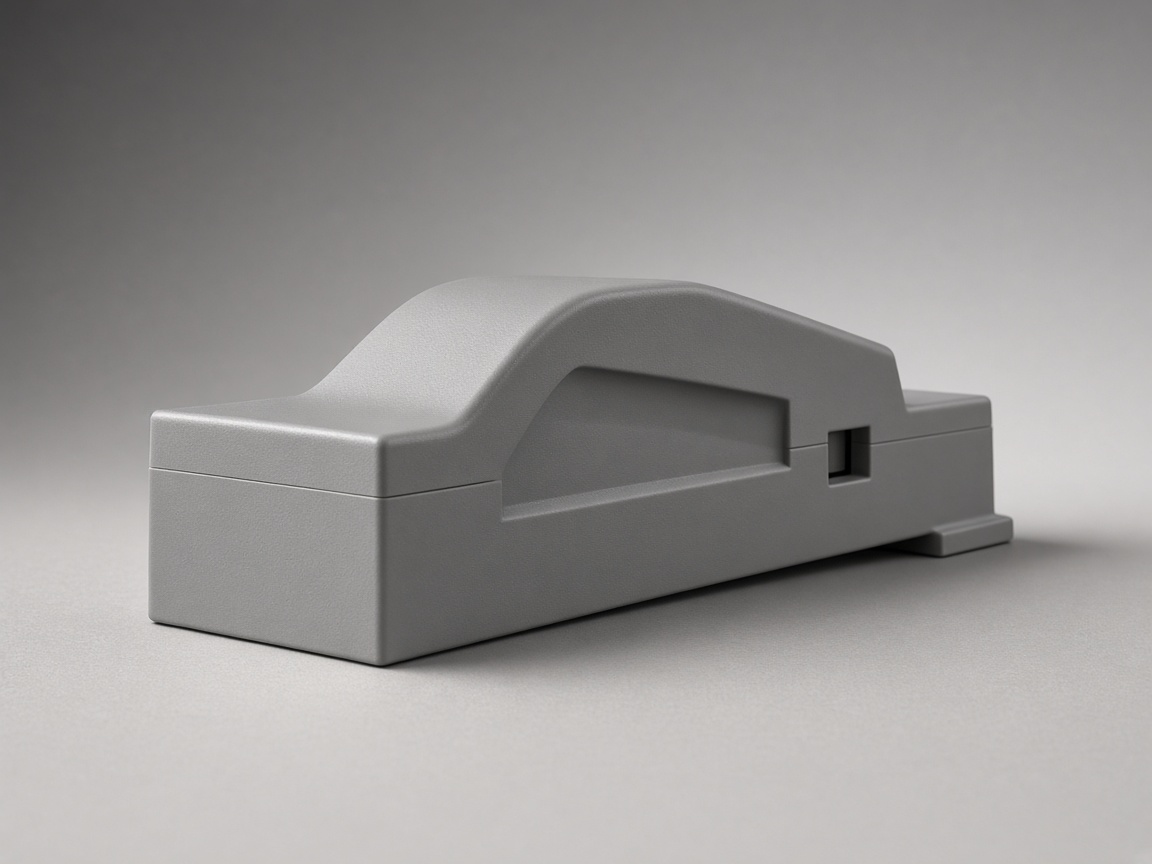
This spoke owns where the split lands. Undercuts own whether an action is needed. Corner design owns the corner type. The design guide hub lists every topic.
Roles
Stay here for where the seam lands. Open a sibling for flash, actions, or corners.
| Page | Use it for |
|---|---|
| Parting line (this page) | Where cavity and core meet |
| Flash defect | When the seam does not seal |
| Side actions | External undercuts the line cannot release |
| Undercuts | Whether any action is needed |
| Texture draft | Texture shutoff at the split |
| Draft angle | Draft and the split travel together |
| Gate location | Gates often sit on or near the line |
| DFM review | CAD check before steel |
Checks
Qualitative checks. No figure on this page is a NetProto specification.
Draw direction first
Lock pull direction before you hide the seam.
Cosmetic witness
A faint line on a corner is often better than a line across a class-A face.
Texture shutoff
Texture that crosses the split can tear or flash. Plan the stop.
Actions last
Move the line or the feature before adding a slide.
Decision
Wrong: drop the line on a class-A panel. Right: hide it, then accept only the actions you still need.
RFQ
The quote can start from CAD alone. These notes make the DFM pass specific.
Intended draw or pull direction
Class-A faces that cannot show a seam
Preferred hide: corner, step, or flange
Texture that must stop at the split
External undercuts the line cannot release
Whether a late move after T1 is acceptable
Related
Stay on this spoke for its question. Open a sibling for the neighbor topic or the CAD check.
When the seam does not seal.
Flash defectHow NetProto checks the seam before steel.
DFM reviewFAQ
It is the seam where cavity and core meet. Flash and witness follow that path. Placement is a design choice.
A late move is steel work. Lock draw direction and cosmetics before the tool is cut.
Yes. Texture that crosses the split can tear or flash. The texture-draft page owns shutoff.
Yes if cosmetics or flash matter. Mark keep-off faces and preferred hide.
When the seam cannot release an external undercut. Undercuts own that decision. Side actions own the slider.
This spoke owns placement. Flash owns the defect. Corners own the type. DFM review checks CAD.
Next step
Share draw direction, class-A faces, and undercuts so review can place the seam before quoting.