
Placement first
A knit on a snap hook or screw boss is a load-path risk.
Weld line strength
Mark holes, snaps, and bosses that cannot sit on a knit. DFM review comments on CAD. This page does not publish a strength number.
Design guideline
A weld or knit forms where melt fronts meet. Strength is a placement problem first. This page owns keeping that join off loaded features. The defect pages own the mark.
Weld line strength depends on where flow fronts meet. Holes, bosses, and snaps steer those fronts. Keep the join off a loaded hook unless you accept the risk. Gate location steers fill. Weld lines and knit lines own the defect. DFM review needs those features marked.
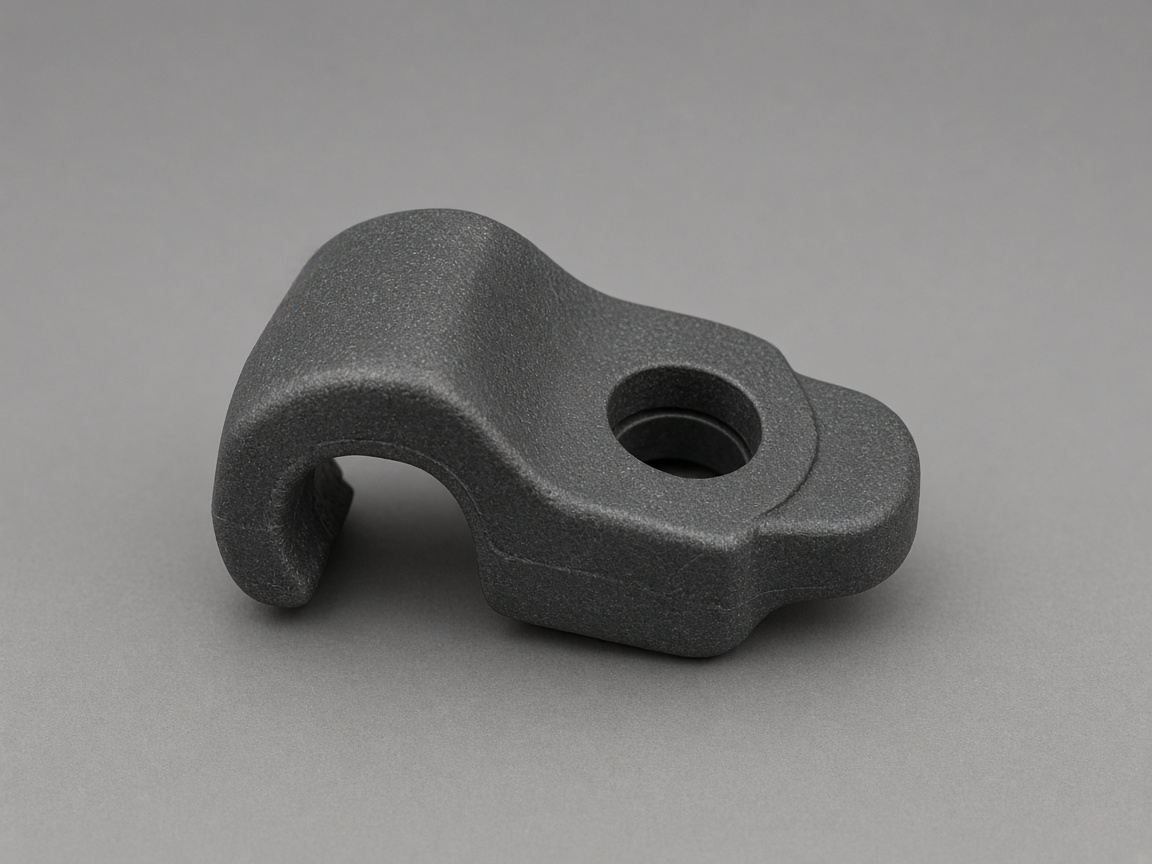
This spoke owns placement for strength. It does not publish a retained strength figure. Glass-filled grades can show a weaker knit. The design guide hub lists every topic.
Roles
Stay here for where the knit may sit. Open a sibling for the defect, the gate, or the CAD check.
| Page | Use it for |
|---|---|
| Weld line strength (this page) | Keep knits off loaded features |
| Weld lines | The defect and the mark |
| Knit lines | The related flow-front join |
| Gate location | Where fill starts |
| Flow length ratio | Long thin paths that hesitate |
| Venting | Gas trapped at a knit |
| PC/ABS weld visibility | Gloss housings and visible knits |
| Cantilever snap fit | Hooks that should not sit on a knit |
| Boss design | Posts that should not sit on a knit |
| DFM review | CAD check before steel |
Checks
Qualitative checks. No figure on this page is a NetProto specification.
Placement first
A knit on a snap hook or screw boss is a load-path risk.
No strength number
Retained strength is not a published spec. Name the load on the RFQ.
Holes steer fronts
A hole splits flow. Mark which holes sit on structural features.
Fill still matters
Gate and vent help the fronts meet hotter. Those pages own the process knobs.
Decision
Wrong: a hole just upstream of a loaded hook. Right: a marked keep-off on that hook, then let DFM review comment on the gate.
RFQ
The quote can start from CAD alone. These notes make the knit pass specific.
Loaded snaps, hooks, and screw bosses
Holes that split flow near those features
Intended gate start, if you already have one
Resin family, including glass fill
Cosmetic class on visible knits
Who accepts a knit on a load path
Related
Stay on this spoke for its question. Open a sibling for the neighbor topic or the CAD check.
The defect and the mark.
Weld linesThe related flow-front join.
Knit linesHow NetProto reads load-path notes on CAD.
DFM reviewFAQ
It is where two melt fronts meet. The join can be a mark and a weaker section. The defect page owns the mark. This page owns placement.
This page does not publish a retained-strength figure. Glass-filled grades can show a weaker knit. Name the load on the RFQ.
Often by moving a hole, a boss, or the gate start. Gate location owns that choice. DFM review comments on CAD.
They are related flow-front joins. Open each defect page for that mark. This spoke stays on loaded-feature placement.
Yes. Longer flow means cooler melt at the front, which can produce a weaker knit. Flow length ratio owns that relationship. Mark long thin paths on CAD for DFM review.
This spoke owns keeping the join off loaded features. The defect pages own the mark. DFM review checks CAD.
Show loaded snaps and bosses, holes that split flow, the intended gate start if you have one, and the resin family. Upload CAD so DFM review can comment before quoting.
Next step
Share loaded hooks and holes so review can comment on knits before quoting.