
Release path
Internal threads need unscrewing or another mechanism. External threads may shut off.
Molded-in threads
Plastic threads remove an insert but add mold action and torque limits. DFM review asks for thread class, engagement, and resin before steel is quoted.
Design guideline
Molded-in threads form in the cavity. Internal threads often need unscrewing or another mechanism. Plastic threads are not machined metal.
Internal threads often need unscrewing molds or another release path. Strength and wear differ from brass inserts. DFM review needs thread class, engagement length, and resin. This page does not publish a thread spec.
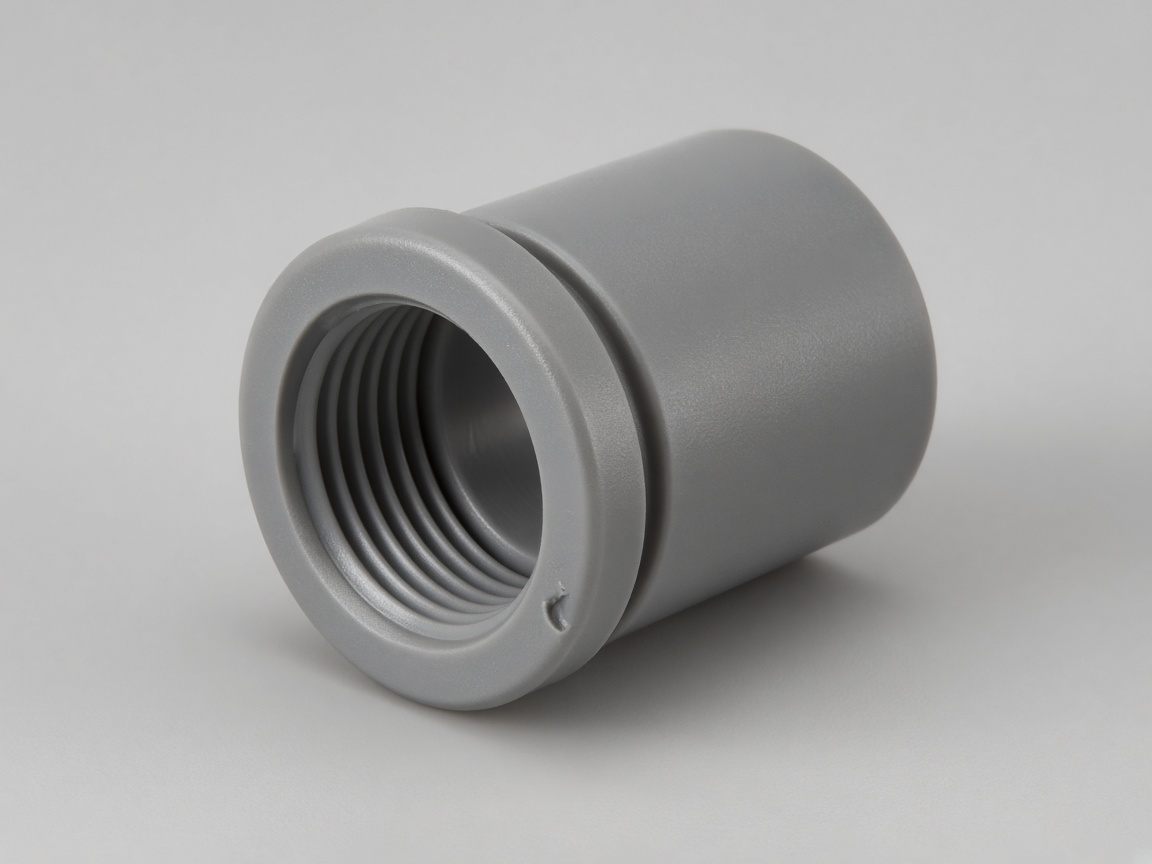
This spoke owns threads formed in the mold. Post-mold inserts and self-tapping screw bosses are the usual alternatives. Undercuts own the action decision. The design guide hub lists every topic.
Roles
Stay here for threads formed in steel. Open a sibling for inserts or unscrewing.
| Page | Use it for |
|---|---|
| Molded-in threads (this page) | Plastic threads formed in the cavity |
| Unscrewing molds | How rotating cores release internal threads |
| Post-mold inserts | Metal threads after the shot |
| Self-tapping screw bosses | The screw cuts plastic |
| Undercuts | Whether an action is needed |
| Molded-in inserts | Metal in the shot |
| Boss design | The post around an internal thread |
| Draft angle | External threads still need release |
| Hole shapes | Plain openings. A thread is a joint, not a hole outline. |
| DFM review | CAD check before steel |
Checks
Qualitative checks. No figure on this page is a NetProto specification.
Release path
Internal threads need unscrewing or another mechanism. External threads may shut off.
Resin and wear
Not every resin holds a molded thread. Name the grade.
Engagement and class
Call out class and length. This page has no thread table.
Insert alternative
A post-mold insert may avoid the action if metal is acceptable.
Decision
Wrong: assume any resin holds a molded thread. Right: pick the joint before the tool plan.
RFQ
The quote can start from CAD alone. These notes make the DFM pass specific.
Internal or external thread, and location
Thread class and engagement length
Resin family
Expected torque and cycle count, if known
Whether an insert is an acceptable alternative
Who validates thread fit
Related
Stay on this spoke for its question. Open a sibling for the neighbor topic or the CAD check.
Rotating cores that release internal threads.
Unscrewing moldsHow NetProto checks thread features before steel.
DFM reviewFAQ
The helix is formed in the cavity. Internal threads often need unscrewing or another mechanism. They are not machined metal.
No. Brittle or highly filled grades may crack or wear. Name the resin. DFM review comments on your CAD.
External threads and the unthreaded faces still need a release plan. Internal threads usually need motion, not only draft.
Say on the RFQ. Call out class and gage method if you have one. This page does not publish a fit table.
When torque, cycle count, or resin make a plastic thread a poor joint. Open the insert spokes.
This spoke owns the part-thread decision. Unscrewing owns the drive. Inserts own metal. DFM review checks CAD.
Next step
Share thread class, resin, and whether an insert is acceptable so review can check release and the joint before quoting.