
Internal, not external
A lifter is for a hidden lip. External clips usually want a slider.
Lifters
Use a lifter for internal undercuts that cannot shut off. Redesign first when the hook can bump off or move. DFM review comments on CAD before quoting.
Design guideline
A lifter moves at an angle during ejection to pull steel out of an internal hook or lip. It is not a side action. Aggressive geometry wears steel and marks parts.
Lifter marks and wear show if the geometry is too aggressive. Snap faces that ride the lifter need draft. Undercuts decide whether an action is needed. DFM review comments before steel is cut.
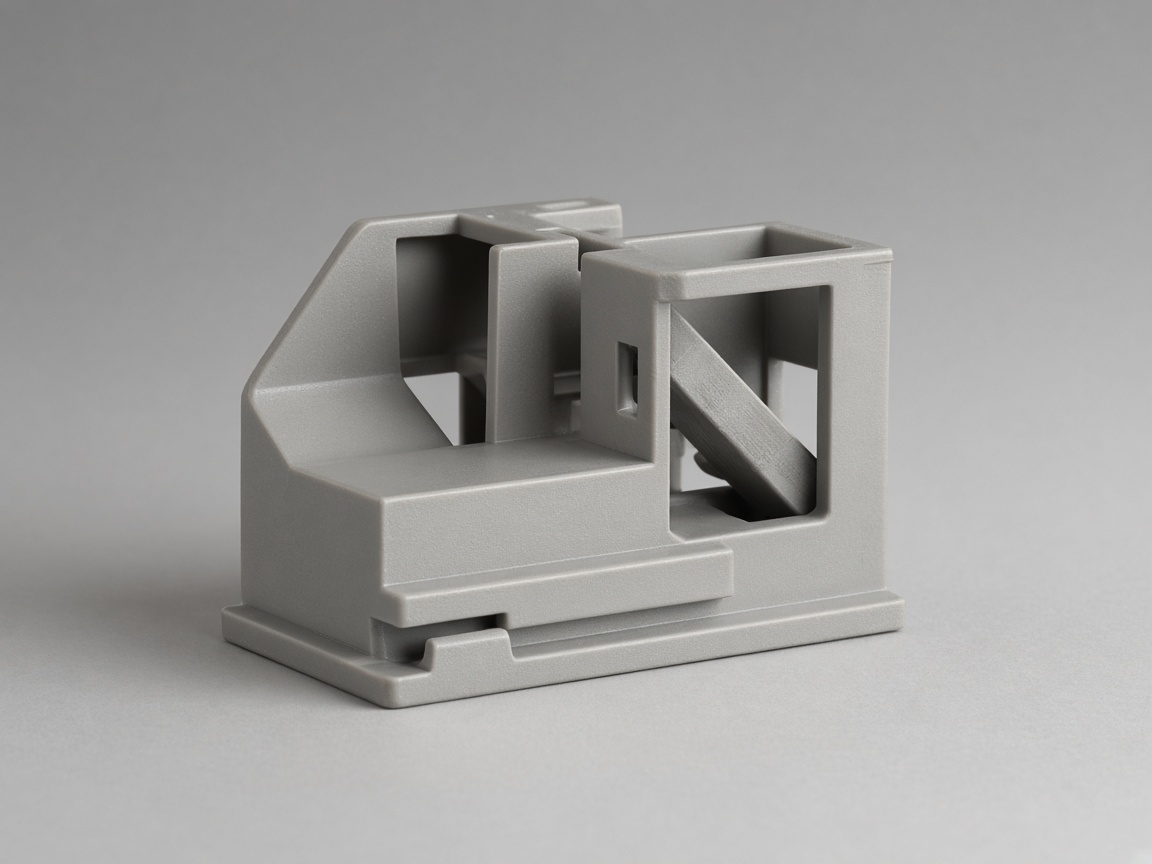
This spoke owns the lifter mechanism. Side actions own external sliders. Cantilever snap fits own the hook. The design guide hub lists every topic.
Roles
Stay here for internal lifter steel. Open a sibling for sliders or the decision.
| Page | Use it for |
|---|---|
| Lifters (this page) | Internal undercut release on ejection |
| Side actions | External sliders and cams |
| Undercuts | Whether any action is needed |
| Cantilever snap fit | The hook the lifter may release |
| Draft angle | Draft on lifter contact faces |
| Venting | Internal pockets still need a gas path |
| Bosses | Internal posts are not lifters |
| Wall thickness | Hook thickness still references a nominal wall |
| DFM review | CAD check before steel |
Checks
Qualitative checks. No figure on this page is a NetProto specification.
Internal, not external
A lifter is for a hidden lip. External clips usually want a slider.
Redesign first
Move the hook, add a through window, or bump off if the resin allows.
Draft on contact faces
Faces that ride the lifter need draft so they do not scuff.
Wear and witness
Aggressive travel marks parts and wears steel. Keep the undercut honest.
Decision
Wrong: every internal hook gets a lifter. Right: redesign first, then size the mechanism.
RFQ
The quote can start from CAD alone. These notes make the DFM pass specific.
Internal undercut map
Snap or lip travel, if known
Whether redesign or bump-off was considered
Draft on lifter contact faces
Cosmetic witness tolerance on lifter marks
Resin family
Related
Stay on this spoke for its question. Open a sibling for the neighbor topic or the CAD check.
How NetProto checks internal release before steel.
DFM reviewFAQ
Steel that moves at an angle during ejection to release an internal undercut. It is not a side-action slider.
No. Slides usually move sideways for external undercuts. Lifters lift out of internal hooks as the mold opens.
Often. Reorient the hook, add a through window, or bump off a shallow feature on a flexible resin. The undercuts page owns that decision.
Aggressive geometry and abrasive fills wear steel faster. Name the resin. This page does not publish a wear table.
It can. Call out cosmetic tolerance on those faces. Keep the undercut as small as function allows.
Undercuts own the decision. Side actions own external sliders. This spoke owns lifter release. DFM review checks CAD.
Next step
Share internal hooks, resin, and whether redesign is acceptable so review can check release before quoting.