
Heat stability
Holds flexibility across a wider temperature range than most TPEs.
Liquid silicone rubber
LSR for seals and gaskets, compared with TPE when heat is the driver. LSR molding and LSR overmolding are in scope when named on the RFQ.
Liquid silicone rubber
Properties, routing vs TPE, and how to quote LSR when the RFQ scopes it.
Liquid silicone rubber (LSR) is a two-part thermoset silicone that is injected into a heated mold and cured, rather than melted and cooled like a thermoplastic. It holds its properties across a wide temperature range, resists aging and ozone, and is chosen for seals, gaskets, soft keypads, and parts that see repeated heat or sterilization. LSR uses its own tooling, metering, and cure process, so it sits on a different supply chain from thermoplastic injection molding. NetProto focuses on thermoplastic molding and overmolding. This page explains LSR so you can compare it with TPE, TPU, and flexible PVC, which are often the faster and lower cost path when the service temperature allows. For fuel-system seals where fuel and oil resistance is the concern, see Fluorosilicone .
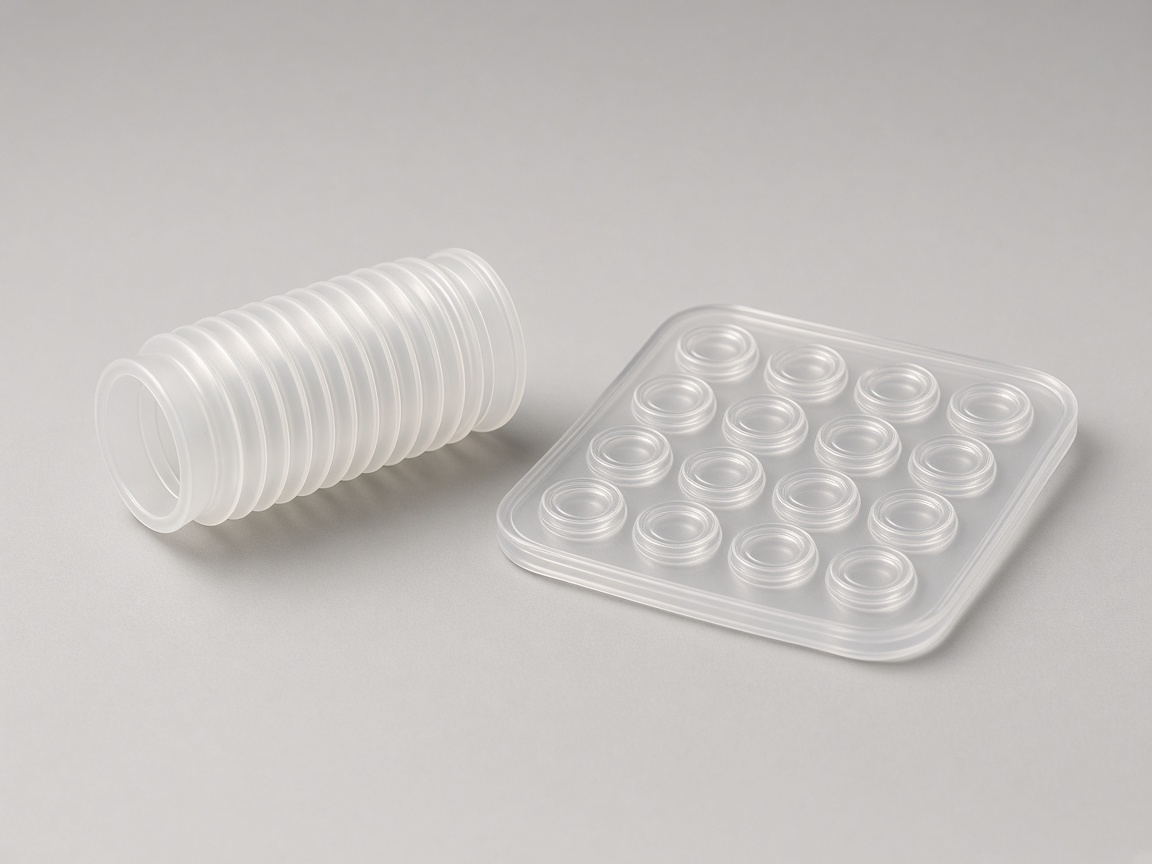
Key traits
Material characteristics for comparison. No processing parameters on this page.
Heat stability
Holds flexibility across a wider temperature range than most TPEs.
Aging
Strong resistance to ozone, UV, and long-term compression.
Process
Thermoset cure in a heated mold, not melt and cool.
Alternatives
TPE, TPU, and TPV cover many soft parts when heat allows.
Routing
Pick the material family by the requirement that matters most.
| Requirement | Start with | Why |
|---|---|---|
| Sustained high heat or repeated sterilization | LSR | Thermoset stability across temperature |
| Soft-touch overmold on PP, ABS, or PC | TPE | Bonds in a thermoplastic overmold |
| Abrasion and tear resistance | TPU | Tougher wear surface |
| Seals with compression set at moderate heat | TPV | Thermoplastic seal option |
Selection
Use these points to decide between silicone and a thermoplastic elastomer.
Hardness range (Shore A) the part needs
Service temperature range, including peaks
Regulatory documentation your program requires (from the silicone supplier)
Color options and translucency
Post-cure requirement for low volatile content
Whether a thermoplastic elastomer could meet the same requirement
Compare and explore
Thermoplastic alternatives and sibling pages.
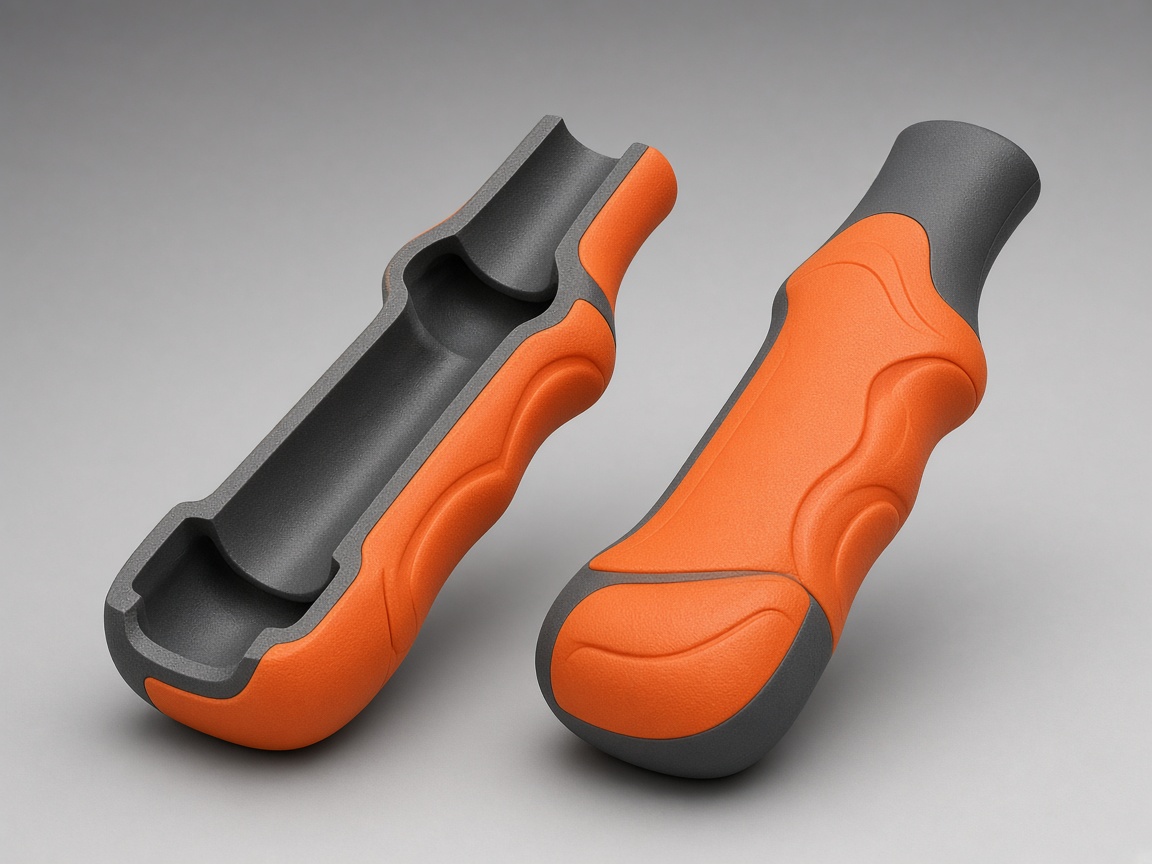
Thermoplastic elastomer routing.
Learn more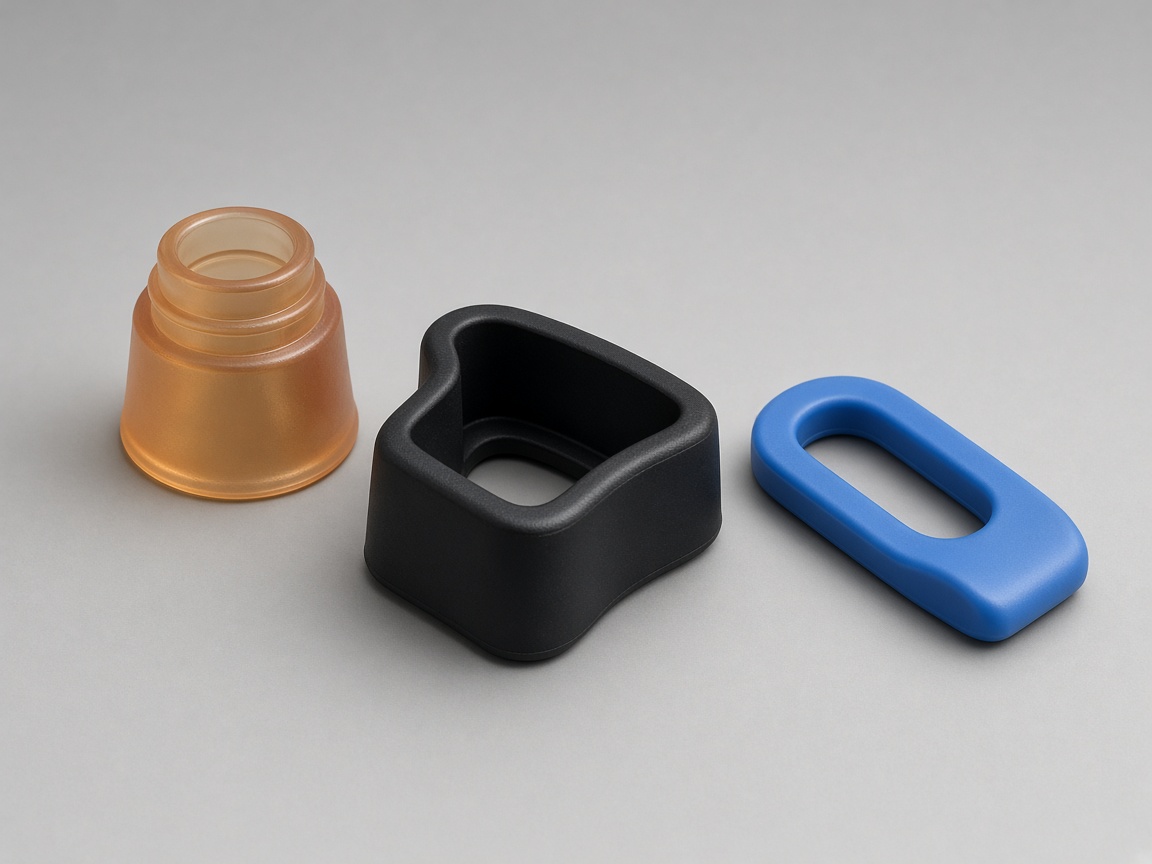
Abrasion-resistant elastomer.
Learn more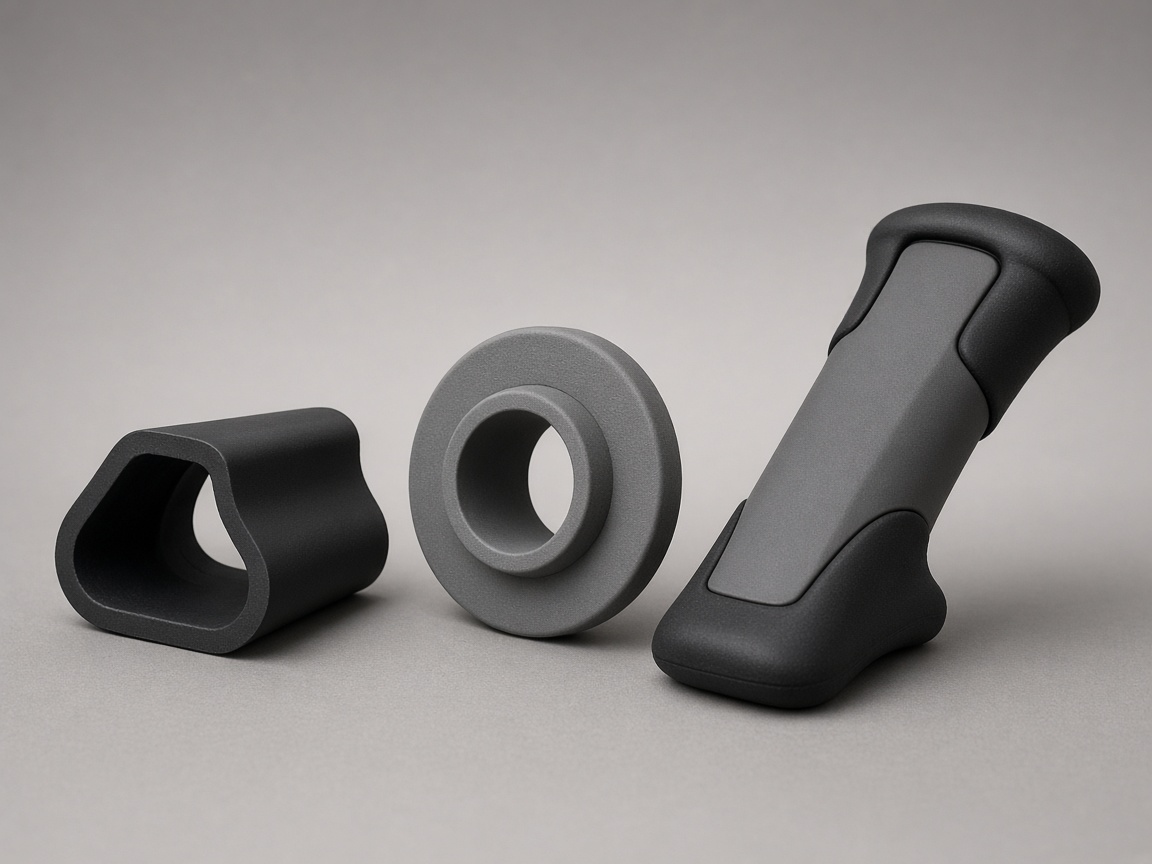
Thermoplastic vulcanizate for soft seals and grips.
Learn more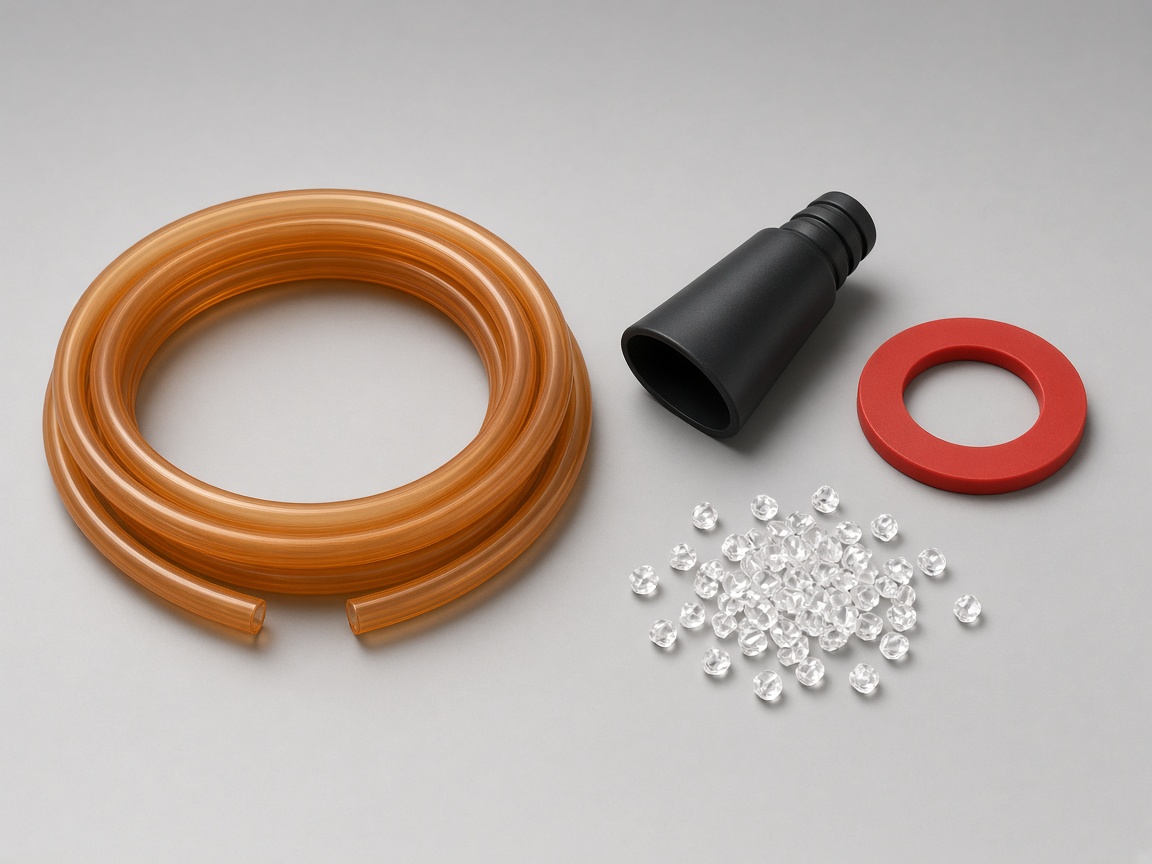
Plasticized vinyl for soft parts.
Learn more
Rigid plus soft thermoplastic programs.
Learn more
What the TDS values mean for a molded part.
Reading a material datasheetQuote guides
Process page, overmold RFQ, and when TPE is the first quote.
Cold mix, hot cure, and what the RFQ should name.
How LSR molding runsWhen the silicone is a skin on a rigid part.
Overmolding servicesWhich soft skin to quote first.
LSR vs TPE overmoldingSubstrate, flash, and what to settle before steel.
LSR overmold design guideTwo bodies, resin families, and named bond faces.
Quote overmolding or two-shotUpload CAD. Name LSR or LSR overmold on the RFQ.
Instant quote platformFAQ
LSR is a thermoset silicone that keeps properties at higher heat and resists aging. TPE is a thermoplastic that melts and freezes in a standard press. Name the family on the RFQ. If a thermoplastic skin is enough, start with TPE.
Yes. Liquid silicone rubber (LSR) molding and LSR overmolding are in scope when the program is named on the RFQ, the same pattern as other molding services. Upload CAD and mark silicone-only or overmolded.
When service temperature is moderate and the part needs soft touch, grip, or a simple seal, TPE or TPV often meets the requirement. At NetProto, we suggest comparing compression set and heat requirements on the TPE and TPV pages.
Post-cure drives off volatile residues for some programs. The requirement comes from your spec and the silicone supplier. NetProto does not publish post-cure times or temperatures as a catalog spec.
Some silicone grades are offered for regulated uses, and the supporting documentation comes from the silicone supplier. NetProto does not make regulatory claims for LSR parts and recommends confirming requirements with your compliance team.
LSR molds are heated so the mix can cure. Thermoplastic molds are cooled so the melt can freeze. Both are steel tools. Name LSR on the RFQ so the quote does not assume a thermoplastic cell.
Next step
Upload CAD. Name LSR or LSR overmold on the RFQ. Tooling and piece price come back with DFM notes.