LSR vs TPE Overmolding: Which Soft Skin to Quote First
Thermoplastic and LSR injection molding both appear on multi-material part programs, but they solve different soft-skin jobs. TPE overmolding adds a thermoplastic elastomer grip or seal onto a rigid substrate in the same broad family as standard injection molding. LSR overmolding adds a thermoset silicone rubber skin that cures in the mold through dedicated liquid silicone rubber molding equipment. This guide helps mechanical engineers choose which skin path to quote first on an RFQ without repeating full material property tables already published on NetProto.
What Is the Difference Between LSR and TPE Overmolding?
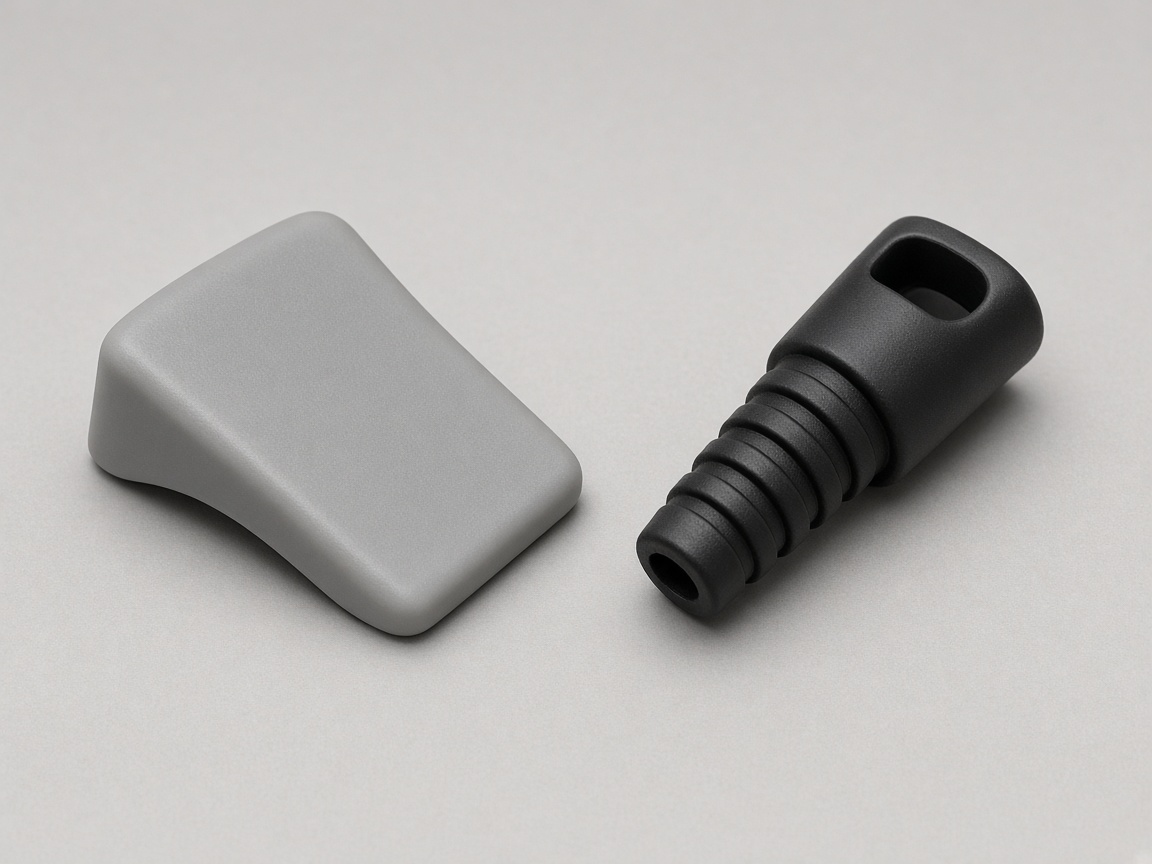
TPE overmolding uses a thermoplastic elastomer compound shot over a rigid plastic substrate on conventional injection molding presses. The skin reheats, flows into the cavity, and solidifies on cooling like any thermoplastic, which keeps cycle integration and color matching closer to your existing substrate program. Common families include styrenic block copolymers and olefinic TPEs; grade selection for adhesion and hardness belongs in your material spec, not in this routing article. See the TPE material guide when you need resin-level context.
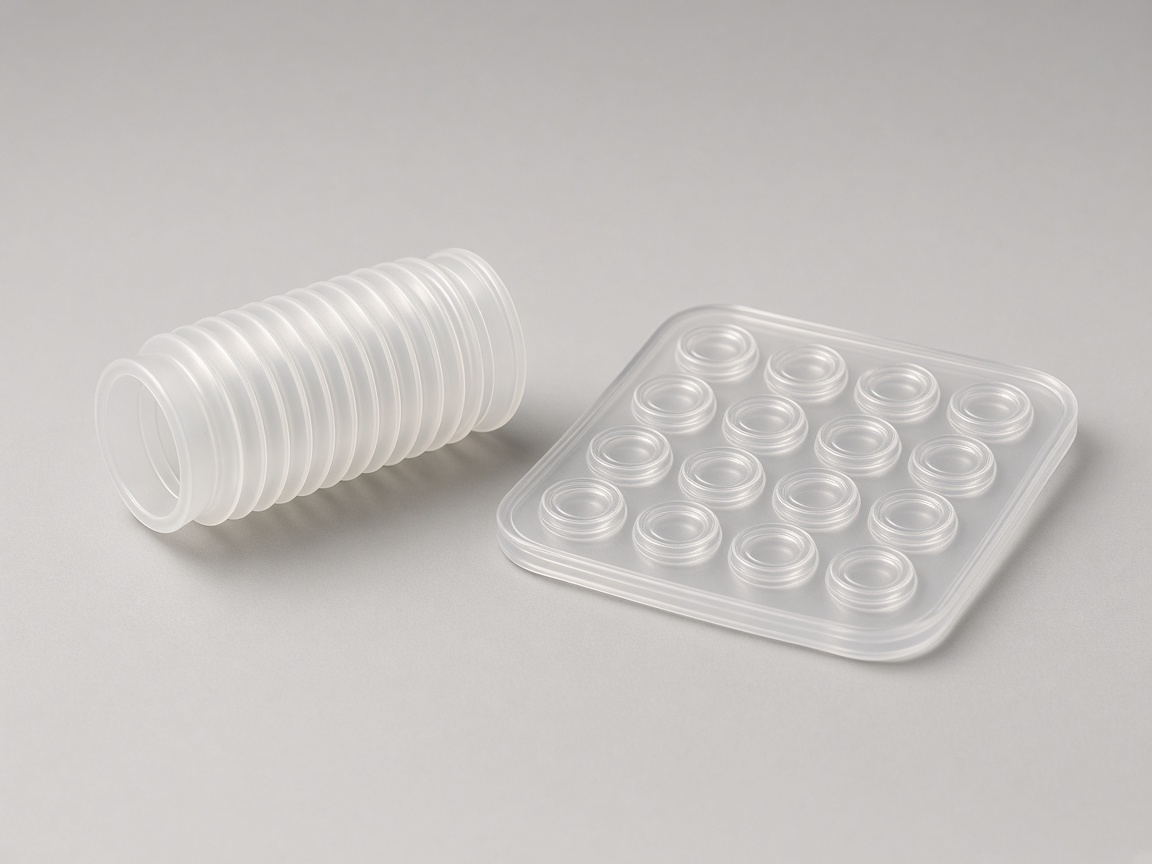
LSR overmolding uses a two-part silicone rubber that is metered, mixed, and injected cold, then cross-links in a heated mold. That thermoset path needs liquid silicone rubber molding hardware, cold-runner discipline, and venting tuned for silicone flash behavior. Tool steel, shutoffs, and gate style diverge from thermoplastic overmold tools even when the rigid substrate geometry is unchanged.
Both processes can produce a soft touch on handles, boots, and bezels, but they are not interchangeable on the same quote without revisiting tooling, cycle, and validation. This article focuses on which skin to pursue first during RFQ preparation. Detailed bond recipes, shutoff land widths, and LSR-specific vent rules live in the TPE overmolding adhesion checklist and the LSR overmolded design guide for engineers.
How the Rigid Substrate Drives Both Paths
Whether you choose TPE or LSR, the rigid substrate resin grade sets shrink behavior, heat deflection, and the chemistry available for mechanical or adhesive bonding. Polycarbonate, ABS, PC/ABS, nylon, and PBT each present different bond windows for thermoplastic skins and different primer or surface-prep expectations for silicone. Specify the exact substrate grade on the RFQ before debating TPE hardness or LSR durometer. NetProto reviews CAD for overmolding programs and returns DFM feedback before tooling release on qualified programs, including LSR overmolding and thermoplastic overmold paths.
Key Facts
- TPE overmolding stays entirely within the thermoplastic family and is typically the faster, lower-cost starting point for grip, handle, and cosmetic soft-touch applications where sealing and sustained elevated temperature are not the primary risk.
- LSR is the preferred path when sealing function, sustained heat exposure, chemical resistance, or long-term compression set requirements exceed what your TPE shortlist can defend in validation.
- Bond quality depends equally on substrate material, surface condition (mold release residue, flame or plasma treatment where specified), process parameters, and tool design such as mechanical locks and shutoff geometry. The skin brand alone does not guarantee peel strength.
- Two-shot injection molding and pick-and-place overmolding require fundamentally different tool constructions, press sequencing, and validation plans. Treat that decision separately via overmolding vs two-shot molding rather than assuming one tool serves every soft-skin strategy.
- Always specify the exact substrate resin grade on the RFQ before debating the skin material, because adhesion compatibility and differential shrinkage across the interface depend on the substrate first.
- Epoxy potting or encapsulation, sometimes called epoxy overmolding in casual language, is a chemically distinct process unrelated to thermoplastic or thermoset injection overmolding. Do not group potting specs with TPE or LSR mold quotes.
Process Routing
NetProto already publishes deep comparisons and process pages for elastomer selection and tooling format. Use these routing links instead of repeating full material property tables here.
- Soft thermoplastic skin selection (TPU vs TPE and related grades): start at TPU vs TPE when hardness, abrasion, and overmold compatibility drive the thermoplastic skin choice.
- Tooling path (two-shot vs pick-and-place overmold): use overmolding vs two-shot molding when the open question is how the substrate and skin enter the mold, not which elastomer family you need.
- LSR fundamentals: read liquid silicone rubber molding for cold-barrel behavior, curing, and typical LSR part applications before you commit an RFQ to silicone.
- Adhesion and design depth: follow the TPE overmolding adhesion checklist for thermoplastic bond prep and the LSR overmolded design guide for engineers for silicone-specific lands, vents, and substrate prep.
When peel or leak failures appear in development, one common root cause is a mismatch between assumed bond area and actual shutoff quality. A short diagnostic framework appears in why overmolding bonds fail; bring those failure modes back to your stated T1 test so the molder cannot pass cosmetic samples that fail in your fixture.
Decision Checklist: TPE vs LSR
Use this checklist when the program could accept either skin family or when procurement asks for a single primary quote line.
- Hand feel, color matching, or cosmetic soft-touch appearance: start with TPE. Thermoplastic skins often track substrate color lines and texture tooling more directly, and they stay on standard press infrastructure.
- Sealing function, sustained heat beyond typical TPE duty, or long-term compression set requirement: start with LSR. Silicone rubber grades are commonly specified when a lip seal, diaphragm, or gasket-like zone must stay elastic after heat aging or chemical splash exposure that would embrittle many TPEs.
- Application unknown or dual-use candidate: quote TPE as the primary path and list LSR as a documented alternate on the same RFQ so DFM can compare shutoff risk and tooling delta without losing schedule.
- Always include the substrate resin grade, the cosmetic face (A-side) vs shutoff interface, and the bond or leak test specification you will apply at T1 sampling, written in your own functional language rather than a generic peel standard name with no fixture detail.
Volume and Tooling Expectations
NetProto builds one hardened steel injection mold per program direction and runs production on that tool for repeat orders, with no minimum order quantity on qualified programs. Tooling direction is determined at RFQ stage based on skin family and volume projections. Switching from a TPE overmold quote to LSR is not a material swap on the same tool: LSR requires a mold engineered for silicone processing, and thermoplastic overmold tools use hot-runner and cooling assumptions that do not transfer verbatim. If you may need both paths for different SKUs, say so early so cavitation and family mold strategy stay program-specific without publishing a cavity count commitment in marketing copy.
For LSR silicone sealing zones on regulated hardware, define validation scope on the RFQ. NetProto molds plastic injection molding and tooling for medical device, dental, and other regulated programs when requirements are defined with the quote; route detailed compliance questions to sales rather than inferring certifications in the article.
What to Put on the RFQ
Structured RFQs reduce rework when DFM questions whether the skin is decorative or load-bearing. Number your package as follows.
- Rigid substrate resin grade and whether the substrate tool already exists, is in concurrent design, or is still a conceptual preform. Existing substrate tools constrain shutoff angles and parting line locations for the second shot.
- Skin material family: TPE, LSR, or undecided pending DFM review. If undecided, list the environmental limits (media splash, UV, flex cycles) that will decide the family.
- Bond or leak requirement in customer language, for example no visible peel after the customer's flex or heat cycle, or leak-tight on the customer's air-decay fixture. Avoid orphan references to industry peel tests with no substrate and no conditioning called out.
- Cosmetic class on both the skin surface and the shutoff interface. Use SPI surface finish grades for overmold skins per face, not as a single global callout. Flash on a seal lip is a functional defect even when the show surface is Class A.
- CAD upload with the overmold volume modeled as a separate solid body or as a clearly named distinct volume in the assembly. If the overmold volume is not separable in your CAD, note the skin boundary in the drawing callout. NetProto instant quoting and DFM review depend on separable volumes for gate location, knit lines, and bond area calculations.
Attach target durometer or hardness ranges if your drawing stack uses them, but treat them as design intent subject to flow and shrink adjustment at T1. Production lead time and piece price vary by program; use the instant quote platform for pricing tied to your uploaded geometry rather than assuming a published calendar number.