Regrind Blends: What Buyers Should Specify
What Is a Regrind Blend?
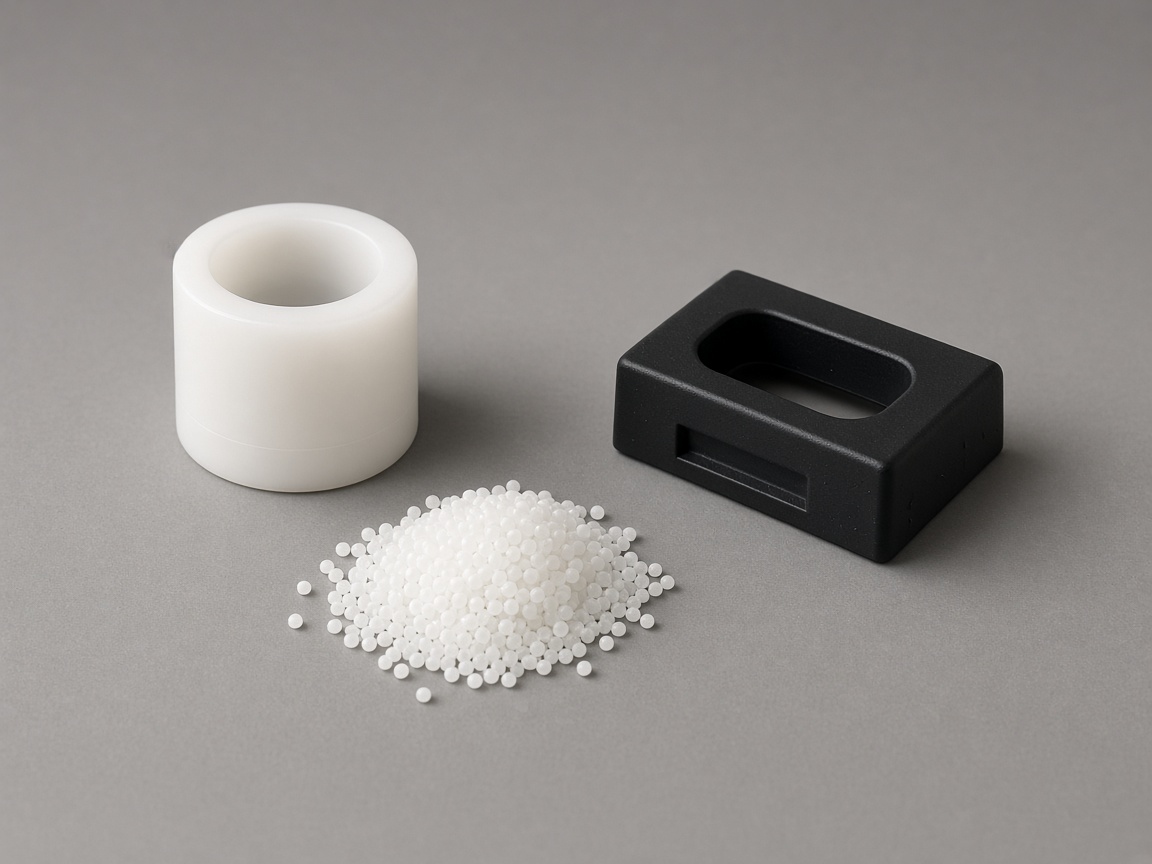
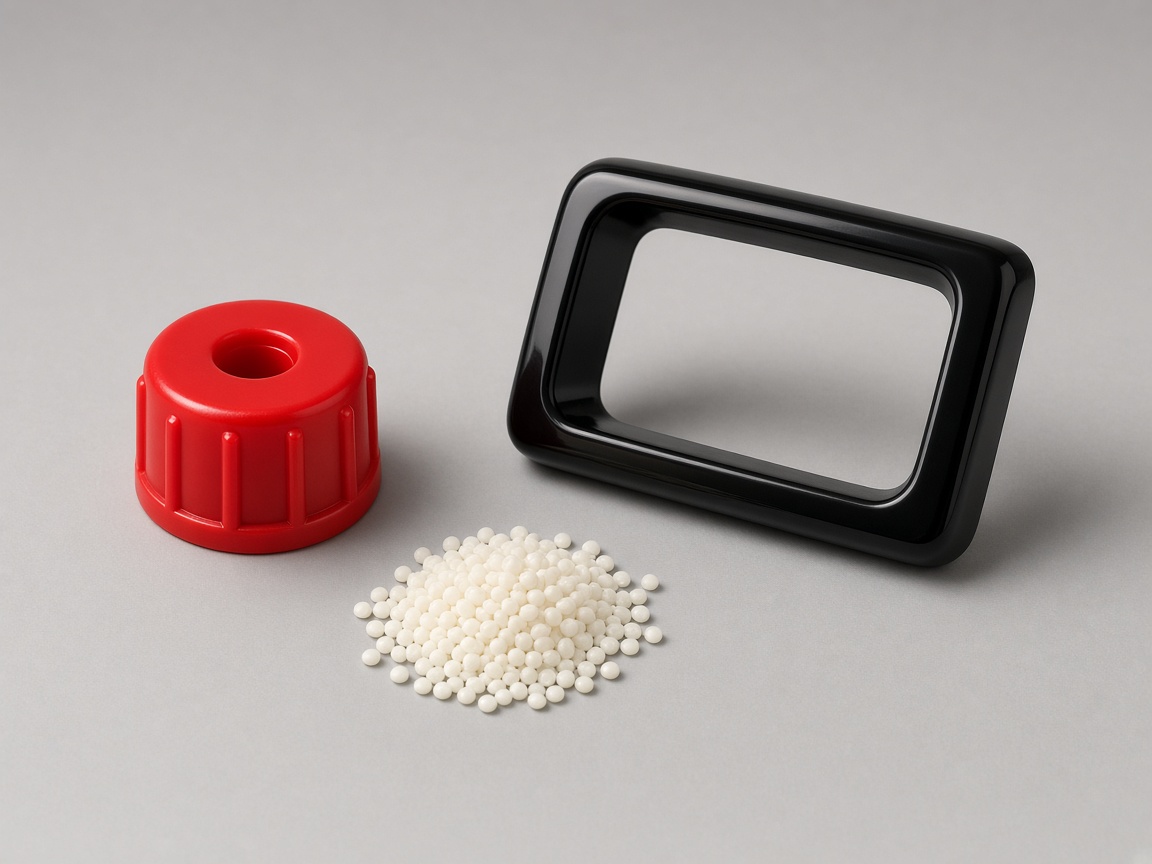
Regrind is previously molded resin that has been ground and reintroduced with virgin material. A blend is the allowed mix and source rule that the drawing or quality plan explicitly states. It is not a silent hopper habit left to the molder's discretion.
See what is regrind for the process term. This page is the buyer's specification guide. It answers when a blend is allowed, when virgin-only belongs on the drawing, and how to write the rule on the RFQ.
Buyers still ask one commercial question: can regrind save molding cost? It can, when the part, the cosmetic limit, and the quality plan permit a controlled stream. The save does not come from leaving the hopper rule blank. For how that resin sits on the quote, see material cost per part.
Key Facts
- Regrind can lower resin cost when the part geometry, cosmetic requirements, and quality plan permit it.
- Color consistency, knit lines in screw bosses, and contamination risk all increase when the regrind stream is uncontrolled.
- Write the allowed rule on the RFQ. Do not rely on a shop-default percentage that may differ from your program's requirements.
- Cosmetic and regulated parts typically remain virgin-only unless explicitly waived by the customer.
- Wet or dirty regrind can cause splay. See silver streaks for diagnosis.
- Startup purge material is a separate category of scrap resin. See who pays for startup scrap for responsibility assignment.
- Do not publish blend percentages, price-per-kilo figures, or allowable contamination thresholds. Those limits are program-specific and depend on material, application, and the customer spec.
When Regrind Is Usually Allowed
Regrind is a buyer decision, not a shop courtesy. It is usually allowed only when the part can accept a mixed stream and the quality plan already names the source.
Hidden or structural faces with an agreed appearance limit
A face that never faces the user, or a structural wall that will be painted, covered, or assembled out of sight, is the usual candidate. The appearance limit still has to be written. "Hidden" is not the same as "any defect is fine." Name the faces that may show a slight color shift or a knit-line change, and name the faces that may not.
If the part later becomes a show surface through a design change, revisit the blend rule before the next steel cut or the next lot. A blend that was acceptable on a hidden rib is not automatically acceptable on a new A-surface.
A closed-loop stream from the same tool, same grade, and same line
Closed-loop means the ground material came from this tool, this resin grade, and this production line, not from a mixed scrap bin or a purchased lot of unknown history. Same-tool, same-grade is the source rule most quality plans can follow. Purchased regrind is a different source. If you allow a blend, say which source is permitted and which source is forbidden.
A closed-loop stream still has to stay dry and labeled. Hygroscopic grades that sat open after grinding are not the same material that left the cavity. If the lot cannot be traced to the molding event that created it, it is not closed-loop.
Color is not a show-surface match, or the blend is already approved against a master
If the customer does not require a tight color match on a show face, a controlled blend is easier to defend. If a color match is required, the blend should be tested and approved against the master standard before it becomes the production rule. Do not discover the color shift on a shipped lot.
Write the approval path on the RFQ. A verbal "we have done this before" is not a source rule.
How to write the source rule without inventing a number
A useful source rule names origin, not a made-up mix. Closed-loop from this tool and this grade is one rule. Purchased regrind forbidden is another. Same-color sprue only is a third. The RFQ should say which of those you accept. It should not copy a shop habit or a percent you cannot defend in a quality review.
If two faces on the same part have different appearance limits, say so. A hidden structural wall and a textured grip can share a blend rule. See texture and sink marks on molded parts if grain is also being asked to hide a dip. A polished logo island on that same part may still need virgin-only. If that island is a different SPI grade, see mixing SPI finishes on one part. The steel can carry both rules when the drawing names the zones.
Keep startup purge out of this note. Purge is the resin used to stabilize the press. It is not automatically approved regrind, even when it came from the same grade. Who pays for that purge is a quote term on the other article. Whether that purge may enter the hopper is a quality term on this one.
When Virgin-Only Belongs on the Drawing
Virgin-only is the correct default whenever the customer spec, the cosmetic face, or the traceability plan cannot accept a mixed stream. Write it. Do not hope the shop guesses.
The customer or industry specification forbids regrind
If the spec already says virgin-only, copy that language onto the RFQ and the drawing note. Do not replace it with a shop habit. Do not add a blend later as a cost-reduction idea without a written waiver from the customer.
Clear, optical, or high-gloss show faces
Any contaminant, moisture, or color shift is visible on a clear, optical, or high-gloss face. Those parts typically stay virgin-only. A blend that is invisible on a textured interior wall will read on a polished bezel. Name the cosmetic A-side vs hidden face that cannot accept a blend.
Load-bearing or safety-critical parts
If the buyer will not accept a mixed material stream without full traceability, write virgin-only. Knit-line strength and contamination risk both rise when the stream is uncontrolled. This page does not publish a strength number. It asks you to refuse a mixed stream unless the quality plan can follow every lot.
Traceability that cannot follow a blended lot
If a later complaint or a regulated review must trace resin back to a molding event, a blended lot is a problem. Regrind from several startups, several colors, or several tools cannot be walked back to one event. If that trace is required, virgin-only belongs on the drawing.
Startup purge is not an approved blend. Who pays for that purge is a different RFQ term. Keep the two notes separate so a scrap conversation does not quietly fill the hopper.
What T1 should prove if a blend is allowed
Ask for a labeled lot on the first articles that use the allowed source rule. Photograph the show faces under the same lighting your quality team will use later. If color is part of the acceptance, hold the shot next to the master. If knit lines or black specks appear only on the blended lot, stop and reopen the source rule before you release more resin.
If T1 ran virgin-only and later lots will allow regrind, say that sequence on the RFQ. First articles from a virgin shot do not prove a later blended stream. The steel is the same. The material stream is not.
RFQ Checklist
Use this list on the RFQ. Write virgin-only, or write that regrind is allowed and name the source rule. Do not invent a blend percent.
- Write "virgin-only" or write that regrind is allowed and name the source rule.
- Name the show faces that cannot accept a blend. Mark the cosmetic A-side vs hidden face if only one side is a show face.
- State whether closed-loop regrind (same tool, same grade) only is permitted, or whether purchased regrind is explicitly forbidden.
- Ask how blended lots will be traced and labeled if regrind is allowed.
- Upload CAD through the instant quote platform for DFM review.
Attach the customer spec page that mentions regrind, if one exists. Attach the color master or the appearance limit for any face that might see a blend. If the drawing is silent today, treat that silence as a decision you still have to make, not as permission for a shop default. NetProto can review the CAD with those notes before tooling begins.