
Material focus
PET selection, applications, and sibling resin routing on this page.
PET
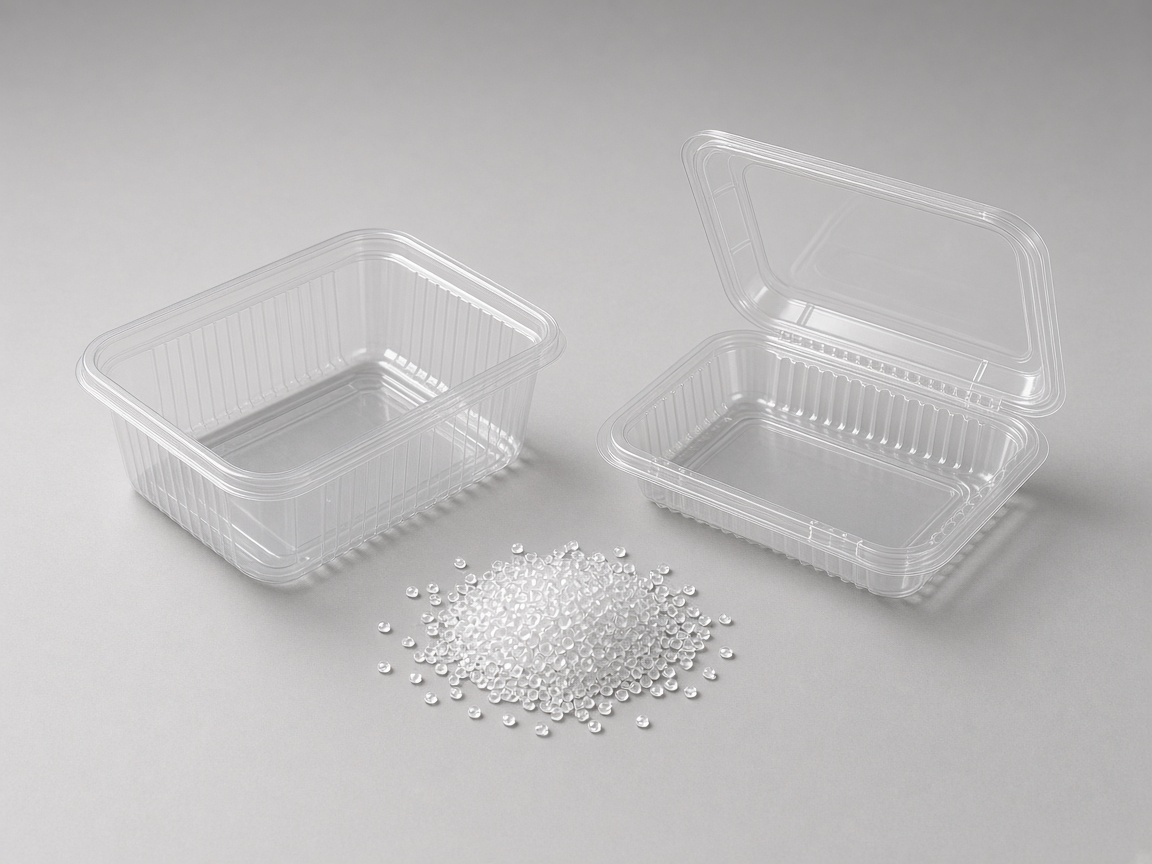
PET (polyethylene terephthalate) is used for rigid packaging, preforms, and some structural parts when clarity and stiffness are needed.
PET
How procurement and design teams use PET on injection molded programs.
PET (polyethylene terephthalate) is used for rigid packaging, preforms, and some structural parts when clarity and stiffness are needed. Injection grades must be dried aggressively; wet PET loses molecular weight and impact during molding. For high-volume bottles, preform design and crystallization behavior drive grade choice more than generic PET labels. At NetProto, programs run from first-article validation through production on one hardened steel tool with no minimum order quantity. Upload CAD on the instant quote platform for DFM feedback before tooling release. For recycled polyester trays and packaging, see Recycled PET (rPET) .
Key traits
Engineering and sourcing highlights. No NetProto processing numbers on this page.
Material focus
PET selection, applications, and sibling resin routing on this page.
Sourcing
Grade and compliance context travels with CAD on the instant quote platform.
Program fit
First articles through production on one steel tool, no MOQ.
NetProto platform
Instant CAD quoting and DFM feedback before tooling release.
Tooling lead time
Hardened steel tool build in about 10 business days on qualified programs (part complexity dependent).
Applications
Typical molded parts and what to specify on the purchase order.
| Application | Why this resin | Specify on the PO |
|---|---|---|
| Preforms and bottles | Clarity and food packaging routes | Food-contact grade documentation from supplier |
| Structural trays | Stiffness with thin walls | Impact and heat notes |
| Automotive fan shrouds (select grades) | Stiffness vs PP | Temperature and fill grade |
| Cosmetic jars and caps | Clear cosmetic parts. Confirm food-contact documentation on the supplier TDS when the part touches product. | PET grade and the food-contact callout, if the part needs it. |
Routing
PET shows up in two different processes. This page covers the injection molded side.
| Process | Typical output | Notes |
|---|---|---|
| Injection molding | Molded parts, housings, and bottle preforms | Crystallinity and drying drive part quality |
| Blow molding | Hollow bottles and containers from preforms | A separate process from injection molding |
RFQ
Prepare these details, then upload CAD on the instant quote platform.
Crystallinity requirement (amorphous clear vs crystallized opaque)
Food-contact documentation if required (supplier documentation)
Injection molded part or a preform for later blow molding
Heat deflection requirement in service
Glass fiber content, or unfilled grade
Expected annual volume (helps cavity and tool planning)
Next step
Grade not finalized? Note PET on the RFQ and attach environment notes.
Compare and explore
Pairwise comparisons and sibling material pages.
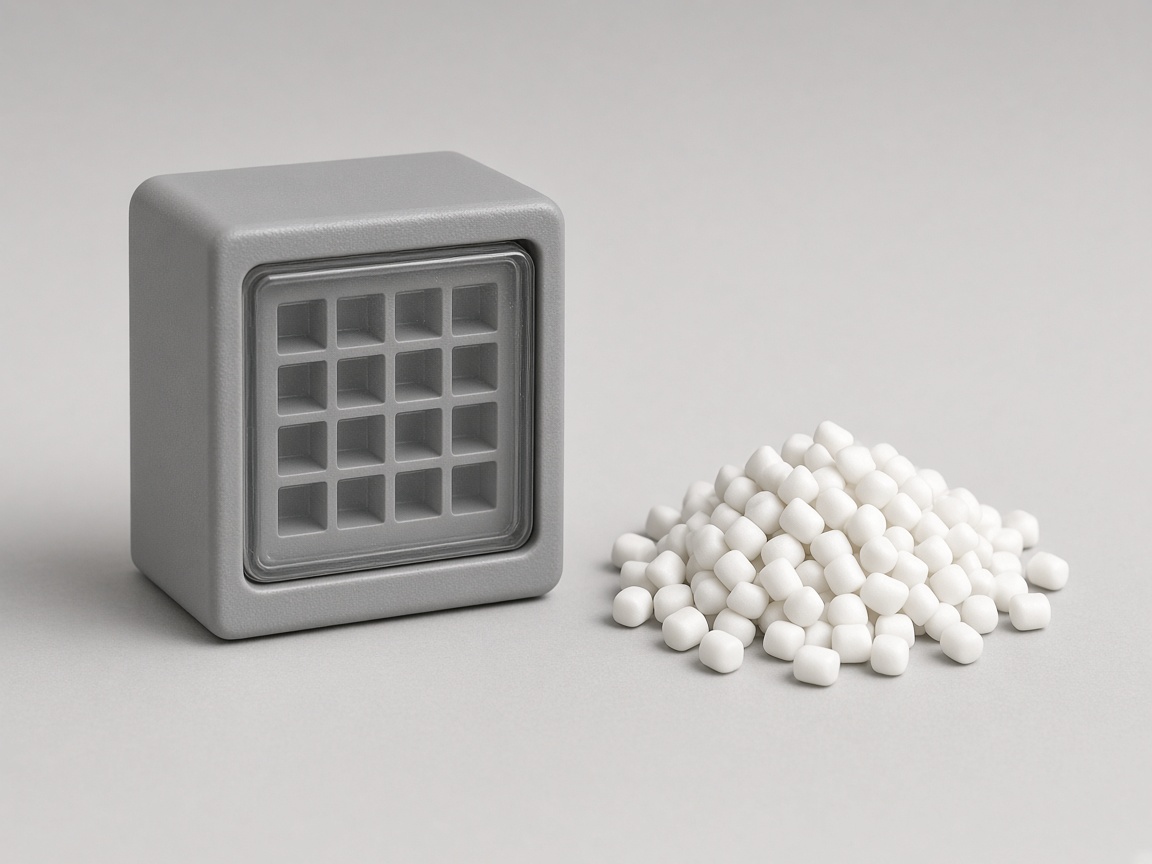
Polyester routing.
PET vs PBT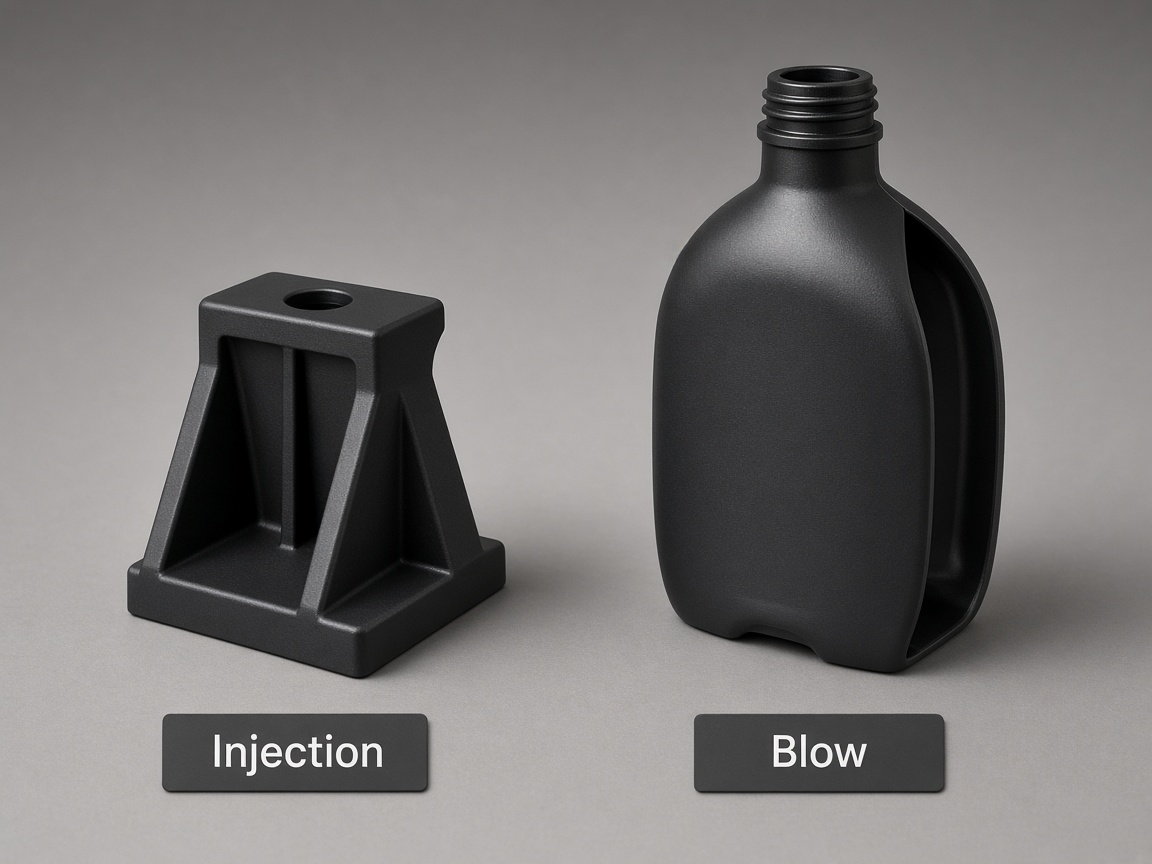
Process routing for hollow parts.
Injection vs blow molding
Connector polyester sibling.
PBT
Tough clear alternative.
Polycarbonate
Browse all resin guides.
Materials library
What the TDS values mean for a molded part.
Reading a material datasheetFAQ
PETG modifies glycol for toughness; properties and processing differ.
Less common than PBT GF for connectors; confirm grade availability.
Yes for packaging performance; process belongs with your molder and grade supplier.
NetProto has no minimum order quantity on molded parts from your production tool. Upload CAD on the instant quote platform to scope tooling and part pricing for your volume.
List the resin family on the RFQ, attach environment and compliance notes, and upload CAD. At NetProto, engineers use DFM review to narrow grades before tooling release.
Next step
Upload geometry and list PET or the target grade on the instant quote platform.