
Material focus
PBT selection, applications, and sibling resin routing on this page.
PBT
Polybutylene terephthalate (PBT) is a polyester workhorse for electrical connectors, switches, and automotive electronics.
PBT
How procurement and design teams use PBT on injection molded programs.
Polybutylene terephthalate (PBT) is a polyester workhorse for electrical connectors, switches, and automotive electronics. It combines good electrical properties with chemical resistance and fills thin connector walls reliably when dried properly. Glass-filled PBT is standard when stiffness and heat deflection must stay high in SMT reflow environments. Glass-filled PBT is common in connectors and housings, but fiber orientation drives warpage, so gate location is usually reviewed during DFM. At NetProto, programs run from first-article validation through production on one hardened steel tool with no minimum order quantity. Upload CAD on the instant quote platform for DFM feedback before tooling release. PBT vs PET vs nylon is the usual split. Stay with PBT for electrical connectors, including glass-filled grades in SMT reflow. PET is the clearer polyester. Nylon is the tougher snap-fit choice. The routing table below covers that.
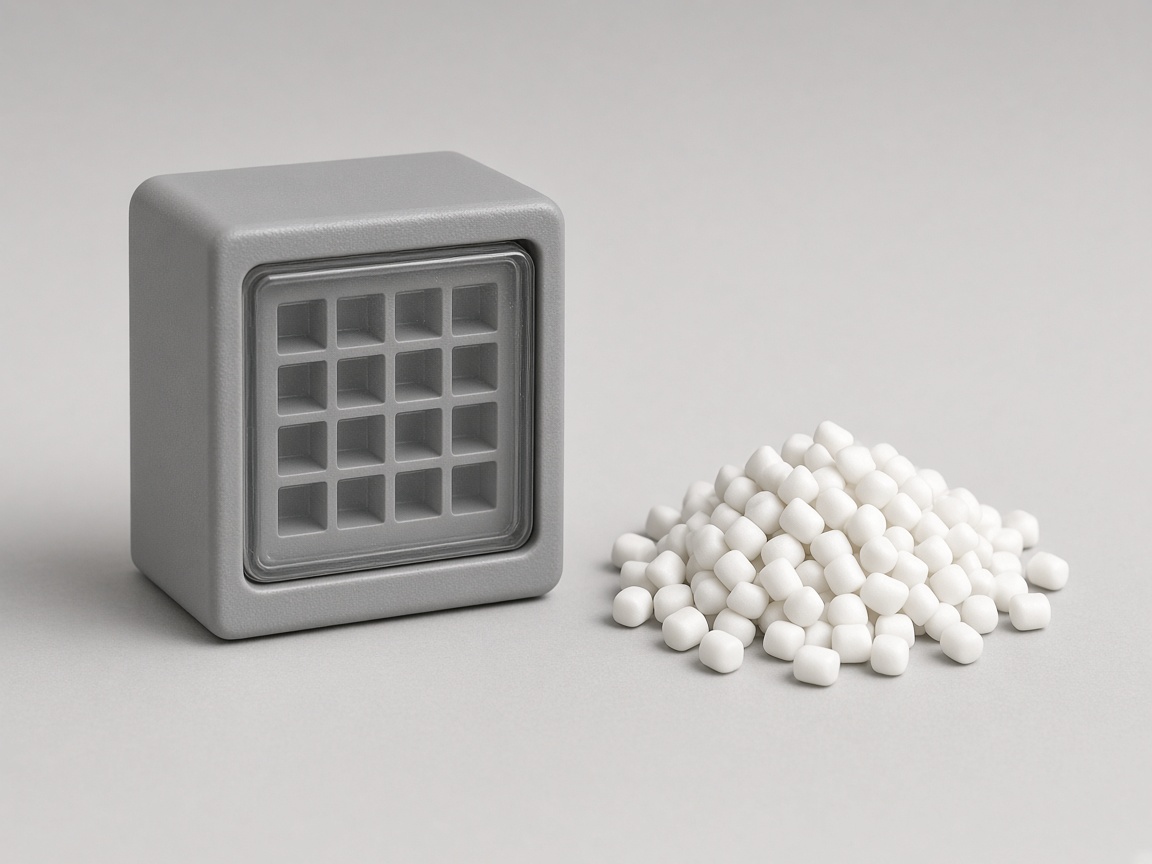
Key traits
Engineering and sourcing highlights. No NetProto processing numbers on this page.
Material focus
PBT selection, applications, and sibling resin routing on this page.
Sourcing
Grade and compliance context travels with CAD on the instant quote platform.
Program fit
First articles through production on one steel tool, no MOQ.
NetProto platform
Instant CAD quoting and DFM feedback before tooling release.
Tooling lead time
10 business days on qualified programs, depending on part size and complexity.
Common grades
Pick one of these on the instant quote, or name any other commercial grade in the RFQ notes.
| Use case | Example grade | Typical parts |
|---|---|---|
| Unreinforced | Crastin S600F20 | Connectors, switches, and general electrical components |
| Flame retardant | Valox 310SE0 | Electrical bobbins, keyboards, and appliance housings |
| 30% glass fiber | Valox 420 | Handles, motor parts, connectors needing stiffness |
| 30% glass fiber | Celanex 3300 | High flow 30% GF structural and electrical parts |
| General purpose | Valox 325 | Sprinklers, pumps, door handles, and general moldings |
Applications
Typical molded parts and what to specify on the purchase order.
| Application | Why this resin | Specify on the PO |
|---|---|---|
| Connector housings | Insulation and dimensional stability | PBT grade, GF%, flame filter |
| Automotive sensors | Heat and fluid splash | Under-hood temperature notes |
| Industrial switches | Arc tracking requirements as a filter | Electrical safety standard context from your compliance team |
Routing
One-line routing. Details live on each material page.
| Need | Start with | Why |
|---|---|---|
| Connectors with stable dimensions in humidity | PBT | Low moisture uptake |
| Stiff parts with high gloss surfaces | PET | Polyester stiffness and finish |
| Tough clips and structural parts | Nylon (PA6 / PA66) | Toughness, but absorbs moisture |
RFQ
Not sure whether to use glass-filled or unfilled PBT? See the common grades table above. Prepare these details, then upload CAD on the instant quote platform.
Glass fiber content, or unfilled grade
CTI or tracking requirement, as listed in the supplier data
Warpage control needs on flat or long features
Weld line strength requirement near holes and latches
Flame performance requirement, as listed in the supplier data
Commercial grade, or the use case to match (30% GF, flame retardant, unreinforced, connector grade)
Expected annual volume (helps cavity and tool planning)
Next step
Grade not finalized? Note PBT on the RFQ and attach environment notes.
Compare and explore
Pairwise comparisons and sibling material pages.
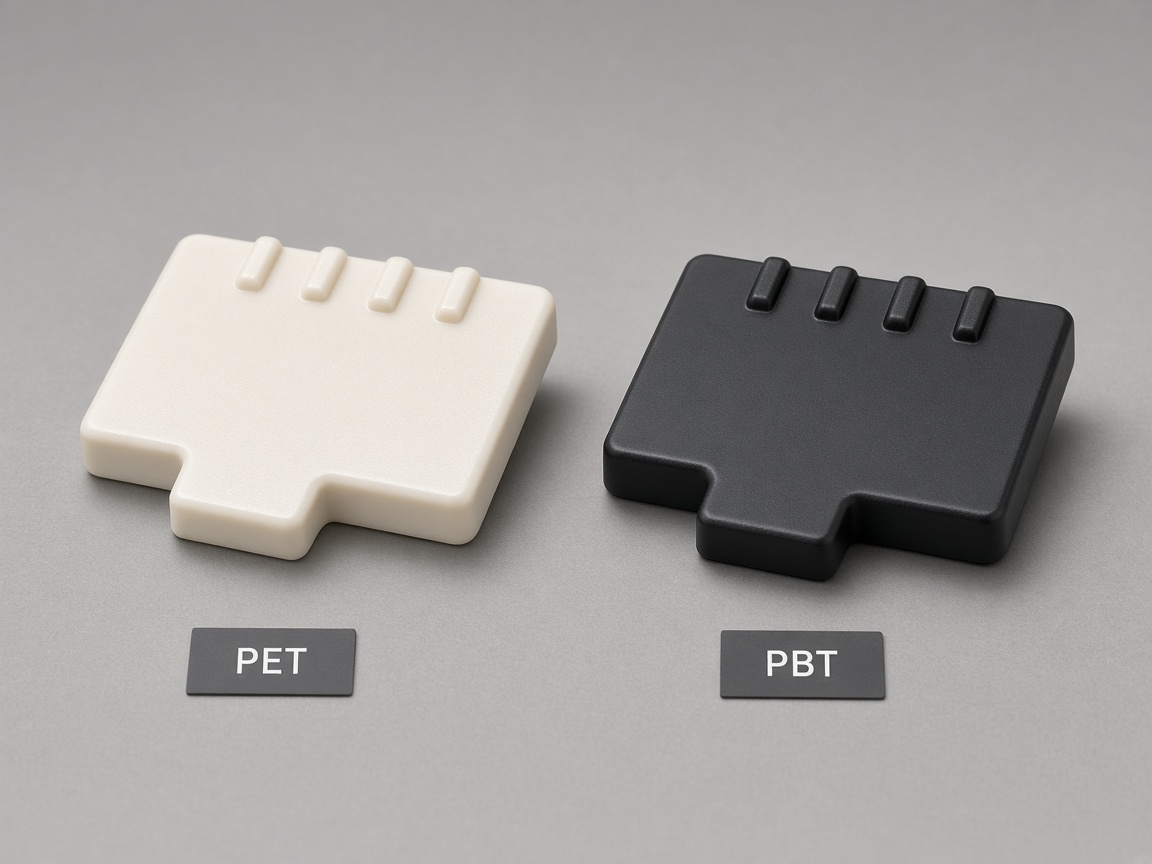
Polyester routing.
PET vs PBT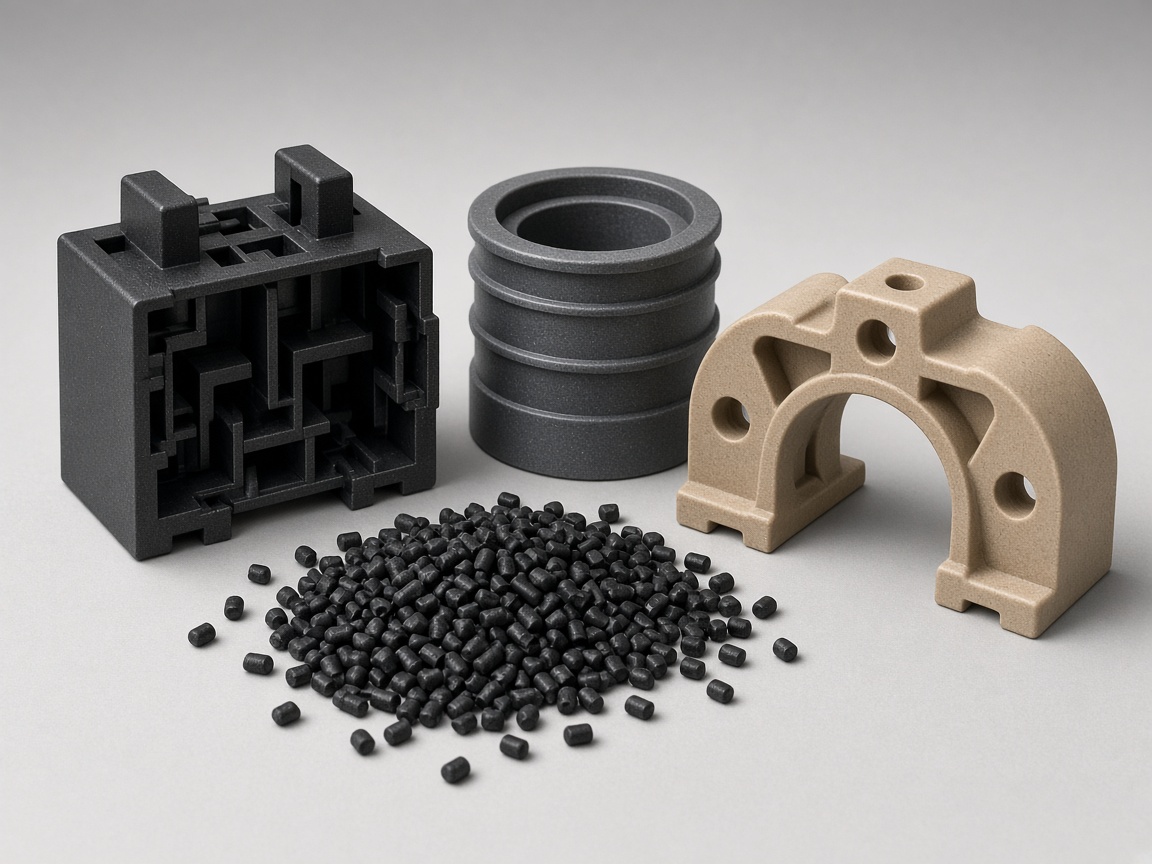
Stiffer connector grade.
Glass filled PBT
Tougher alternative.
Nylon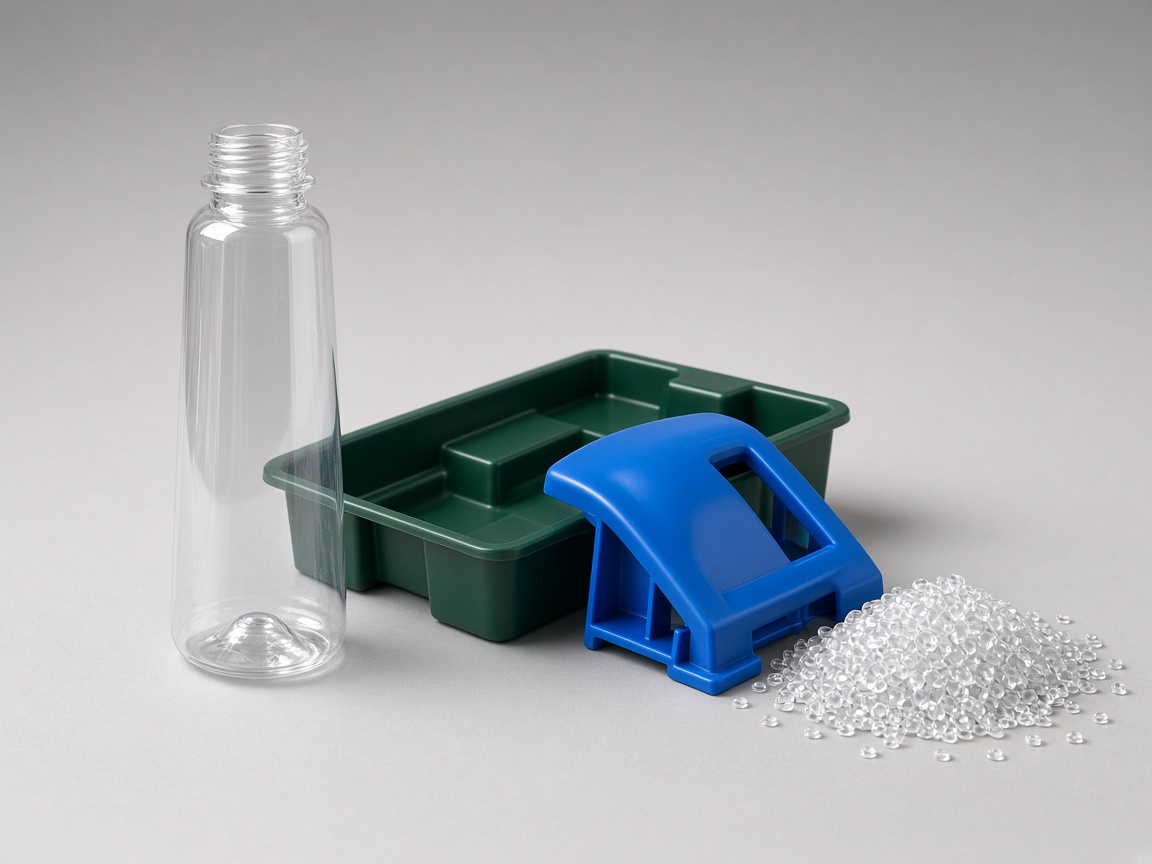
Stiff polyester sibling.
PET
Browse all resin guides.
Materials library
What the TDS (Technical Data Sheet) values mean for a molded part.
Reading a material datasheet
How to write grade, color, and fillers so the quote matches the part.
Specify resin grade on an RFQFAQ
Glass fibers align with the flow, so shrinkage differs along and across the flow direction. At NetProto, DFM review looks at gate location and wall uniformity before tooling release to reduce warpage on flat features.
PET is often clearer and used in bottles; PBT dominates electrical connectors.
Yes. Polyester hydrolysis shows up as brittle parts if resin is wet.
For connectors in humidity, PBT usually holds size better. For snap-fit clips that need impact strength, PA66 is often the tougher choice. The grade still comes from the supplier datasheet.
No MOQ on molded parts from your production tool. Upload CAD to scope tooling and part pricing.
List the resin family on the RFQ, attach environment and compliance notes, and upload CAD. At NetProto, engineers use DFM review to narrow grades before tooling release.
Next step
Upload geometry and list PBT or the target grade on the instant quote platform.