Short Run Injection Molding: When a Steel Tool Still Pays
What Is Short Run Injection Molding?
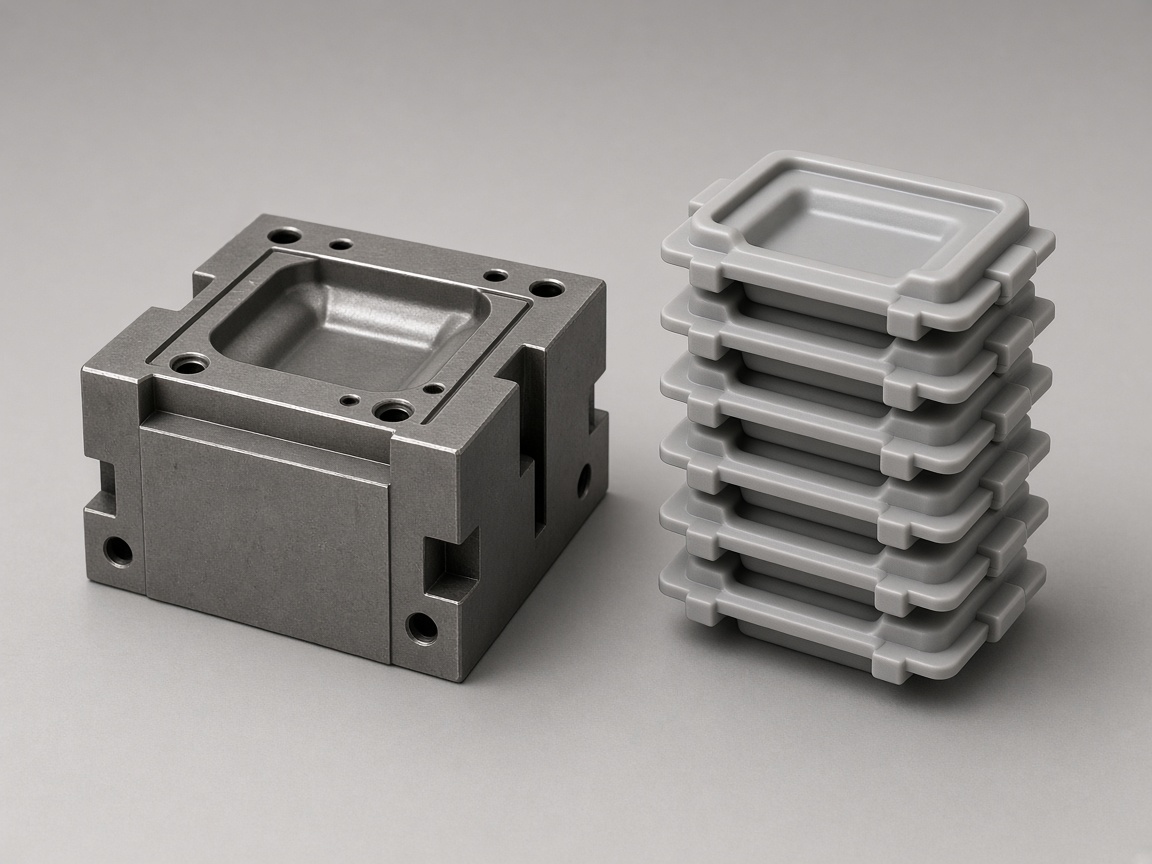
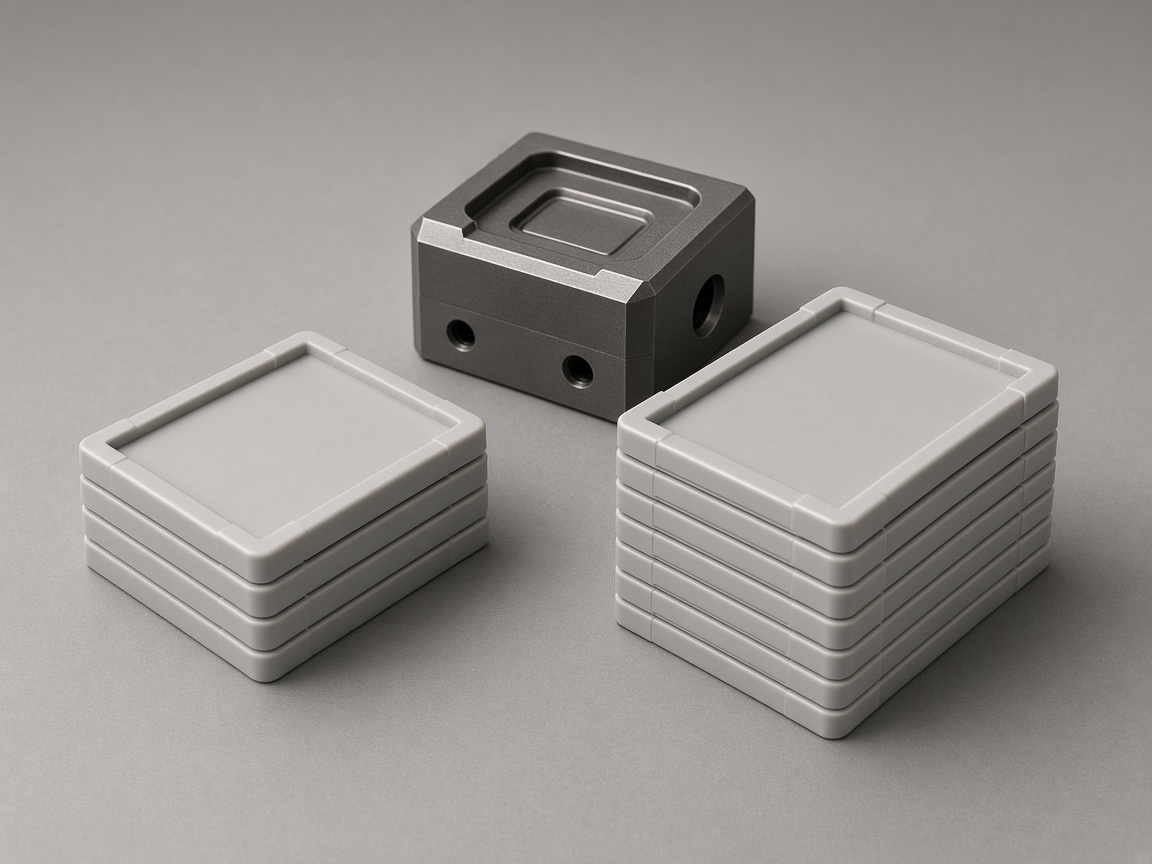
Short run injection molding is a first or repeat order small enough that buyers ask whether a production mold is still worth cutting. The process is still injection molding. The question is the tool and the first-order size.
Buyers search this phrase when the first release is a pilot build, a service kit, or a limited launch, and someone on the team is still comparing a cheaper interim cavity. Melt still enters a closed mold, packs, cools, and ejects. What changes is whether you pay for a cavity you intend to keep, or for a cavity you expect to replace.
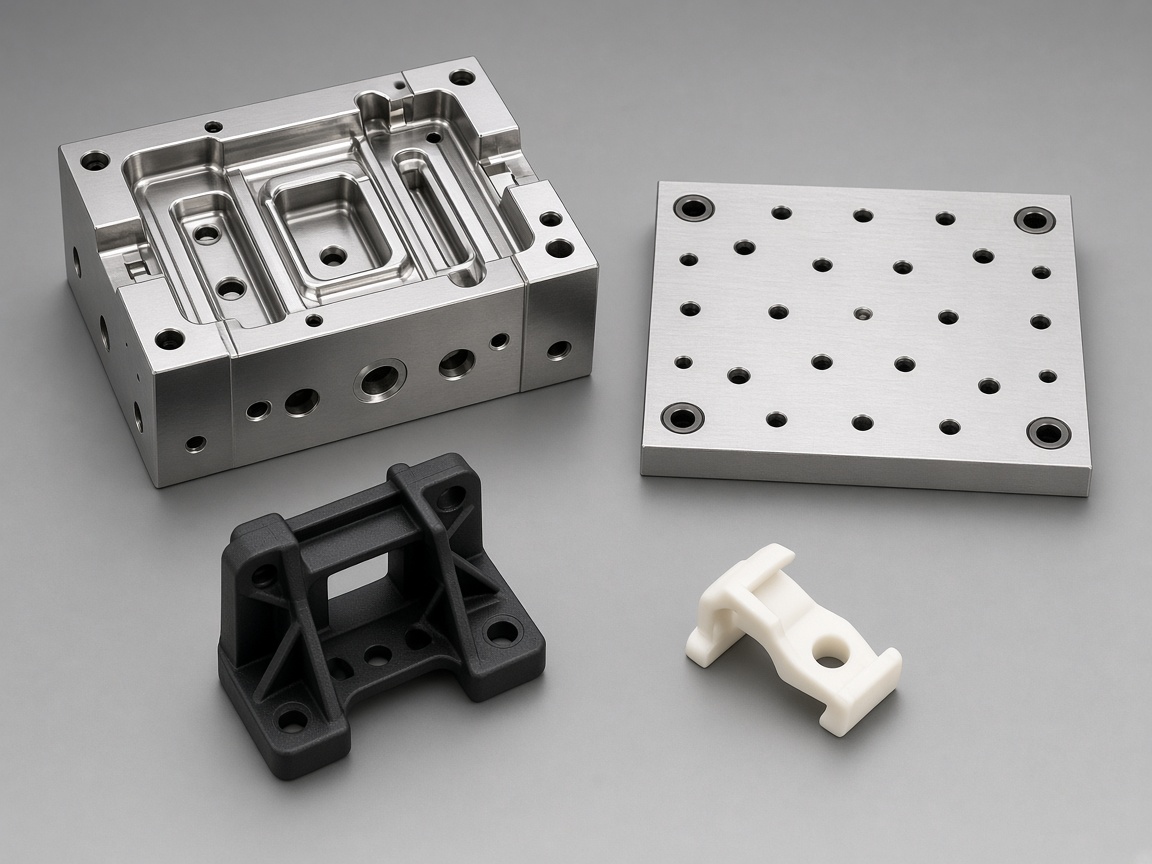
NetProto quotes a hardened steel mold and accepts first orders with no minimum order quantity. The small first lot and later reorders run from that same tool. That scope sits here once: one steel tool, no MOQ. Later sections cover the commercial test, not a second product menu.
Short run = order size, not a different molding process
A short run is not a different filling process, a different resin class, or a different press recipe. It is an order-size label. If the part will live past the first shipment, the useful question is whether the first cavity is the production cavity.
Key Facts
- Short run describes order size, not a separate molding process.
- If the part will repeat, one steel tool usually beats buying a second tool later. See one hardened steel mold for repeat production.
- If you are comparing an interim tool elsewhere, read soft tooling vs hardened steel as a comparison, not as a product menu.
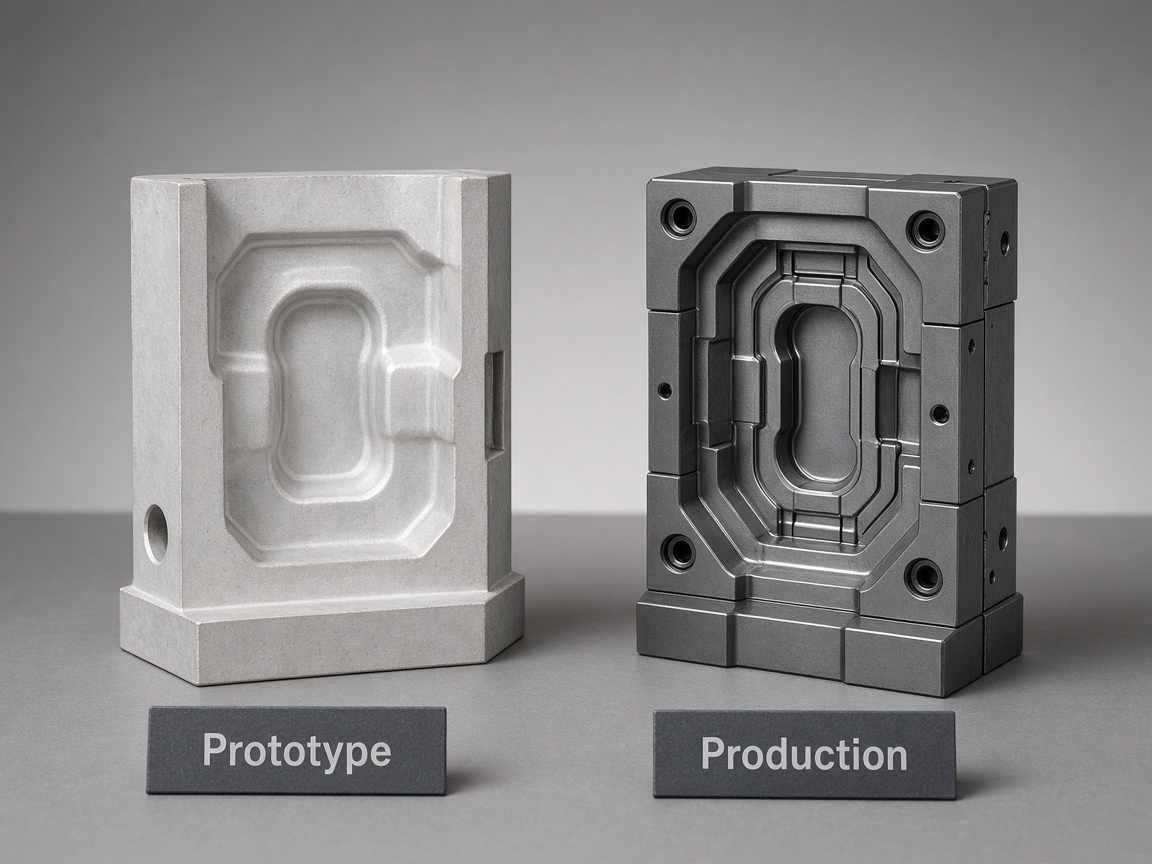
- Validation questions belong on prototype tooling vs production tool.
- Cosmetics, inserts, and regulated documentation still need a real cavity even on a small first order.
- There is no published part count where steel starts to pay. Treat the first order as a program decision, not a break-even spreadsheet. Payback belongs in your sourcing model, not on the drawing. For cost-per-part framing, see low volume injection molding cost per part.
- A hardened steel tool typically supports 100,000+ parts. That is typical output, not a guarantee and not a payback formula.
- You own the tool once the tooling charge is paid, and you can request it at any time.
When a Steel Tool Still Pays on a Small First Order
A small first order still belongs on steel when the design is frozen enough to cut a production cavity, and when a second tool would cost more than it saves. The first lot can stay small. The cavity should not be disposable if you already know the part will come back.
Design is frozen enough to cut steel
The design is frozen enough to cut steel when the envelope, resin family, and load path are stable enough that a recut would be a change order, not the plan. Open questions on color, packaging, or a non-critical clip can wait. Open questions on wall intersections, shutoff, or insert location should be closed before steel release. The DFM before tooling release review may flag those items from the CAD. Those flags are review items, not a promise that the model will be rewritten for you.
You expect repeats or service parts
Repeats and service parts are the second test. If you expect a reorder, a spare-parts kit, or a second color later, you are not buying a one-shot sample. You are buying the cavity that has to match the next lot. As long as you keep ordering, the same tool keeps running and the tooling charge is not billed again. That is not free maintenance, free storage, or a free design change. It is the same steel, used again.
Cosmetic faces or inserts make a second tool expensive
Show faces and inserts are the third test. A second tool is expensive when a cosmetic A-side, a textured grip, or a molded-in insert has to be recut and re-qualified. Learning from an interim cavity elsewhere does not transfer cleanly onto a new steel cavity. Gate blush, witness lines, and insert shutoff show up again. If those features are already on the drawing, steel on the first order is usually the cheaper program, even when the first quantity is small.
On qualified programs, depending on part size and complexity, the hardened steel tool is completed in 10 business days. That clock is tool complete, not first-article or production delivery. Use it as a planning input for the kickoff, not as a ship date for parts.
Write the first-order quantity as a planning number. Do not treat it as a promise of later volume, and do not wait for a volume forecast before you ask whether steel is the right first cavity. If the part is real and the design is stable, the first order can stay small.
When to Keep Comparing Other Paths
When to keep evaluating interim tooling
Keep comparing other paths when the geometry is still changing every week, or when you only need a handful of looks-like parts and have no repeat plan. Those are comparison cases, not a second tooling product on this quote.
Shops that sell aluminum, printed, or other interim cavities treat a first lot as a different product. Those paths can make sense when the solid is still moving and a recut is already expected. They also make sense when the parts are only for a photo, a fit check, or a board review, and nobody has a service-part or reorder plan. Compare those options on their own merits. Do not read them as a ladder you climb before steel. Read rapid injection molding tradeoffs when speed is the comparison, not order size.
If the open issue is form and fit while industrial design is still iterating, an interim tool elsewhere may be the faster way to hold a part in your hand. If the open issue is whether a show face, an insert, or a regulated document package will survive production, an interim cavity often answers the wrong question. You still have to prove those items on the steel that will ship.
Read soft tooling vs hardened steel when you are weighing an interim cavity against one production tool. Read prototype tooling vs production tool when the question is validation method, not order size. This article stays on the commercial test: is the first order small, and is steel still the destination?
If steel is still the destination, upload the current CAD even while you compare. A quote on the production path does not lock you into a release. It shows DFM flags and a tooling scope on the cavity you would actually keep.
RFQ Checklist
Include these five items so DFM can tell whether steel or an interim path fits:
- State the first-order quantity as a planning number, not a promise of later volume. Write the number you want to ship first. Leave forecast language in a note if you have it, but do not make the quote depend on a volume you have not committed.
- Say whether repeats or service parts are expected. A yes changes how the first cavity is judged. A no, with no later plan, is the case where you should keep comparing other paths.
- Mark cosmetic faces and inserts. Call the A-side, the gate keep-out, and every molded-in or post-install insert. Those features are why a second tool gets expensive.
- Note any interim-tool learning you already did elsewhere. Attach photos of blush, flash, sink, or insert stand-up if you have them. Say what you already changed in CAD because of that lot.
- Upload CAD through the instant quote platform. Include the drawing notes for cosmetics, inserts, and any regulated documentation you need on the first article.
If a prior shop already cut an interim cavity, say so in one line. The useful content is what failed or what you accepted, not the shop name. DFM can flag whether those issues are geometry, shutoff, or process. Do not ask the RFQ to convert that interim cavity into the production tool.