Material focus
SAN selection, applications, and sibling resin routing on this page.
SAN
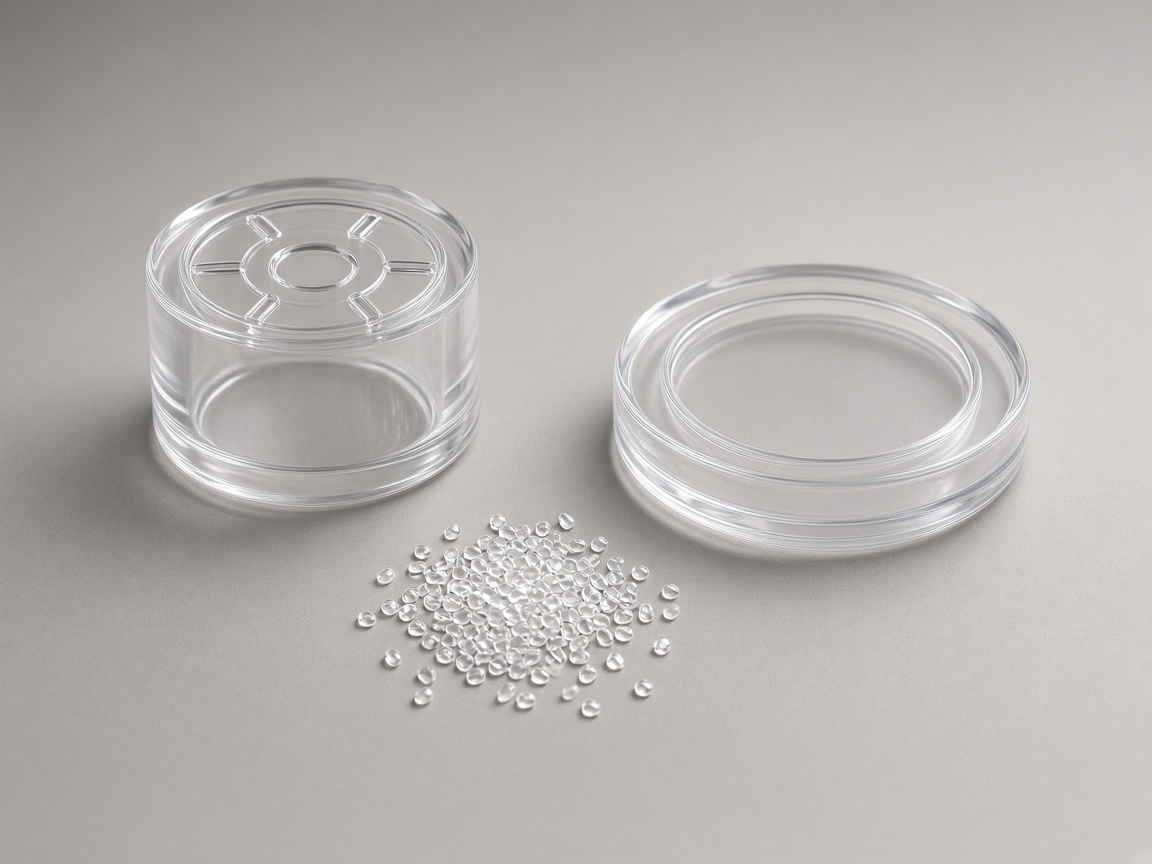
SAN is specified for injection molded programs when a clear, rigid styrenic is needed for housings and lenses.
SAN
How procurement and design teams use SAN on injection molded programs.
SAN is specified for injection molded programs when a clear, rigid styrenic is needed for housings and lenses. Buyers specify the commercial grade on the PO when known, or describe service temperature, chemical exposure, and mechanical targets so engineering can suggest a candidate resin. Quote with CAD and resin notes on the instant quote platform. NetProto builds one hardened steel tool with no minimum order quantity for production parts. Acrylic covers the clearest optics. For clear light-duty parts, see GPPS . When impact matters more than clarity, see HIPS .
Key traits
Engineering and sourcing highlights. No NetProto processing numbers on this page.
Material focus
SAN selection, applications, and sibling resin routing on this page.
Sourcing
Grade and compliance context travels with CAD on the instant quote platform.
Program fit
First articles through production on one steel tool, no MOQ.
NetProto platform
Instant CAD quoting and DFM feedback before tooling release.
Tooling lead time
Hardened steel tool build in about 10 business days on qualified programs (part complexity dependent).
Applications
Typical molded parts and what to specify on the purchase order.
| Application | Why this resin | Specify on the PO |
|---|---|---|
| Typical molded parts | Clear, rigid styrenic for housings and lenses. | SAN grade or family name on PO |
| Secondary features | Confirm fillers and color on datasheet | Compliance filters as requirements |
| Validation builds | First articles on production steel tool | Volume notes for cavity planning |
| Knobs, cosmetic lids, battery covers, and bezels | Clear rigid styrenic. Confirm scratch and chemical exposure on the TDS. | Grade and the cosmetic target. |
RFQ
Prepare these details, then upload CAD on the instant quote platform.
State SAN grade when known, or describe mechanical and chemical targets
Attach compliance or environmental filters required by your team
Note cosmetic class on visible surfaces
Expected annual volume (helps cavity and tool planning)
Optional: target piece-price band for sourcing discussions
Next step
Grade not finalized? Note SAN on the RFQ and attach environment notes.
Compare and explore
Pairwise comparisons and sibling material pages.

Browse all resin guides.
Materials library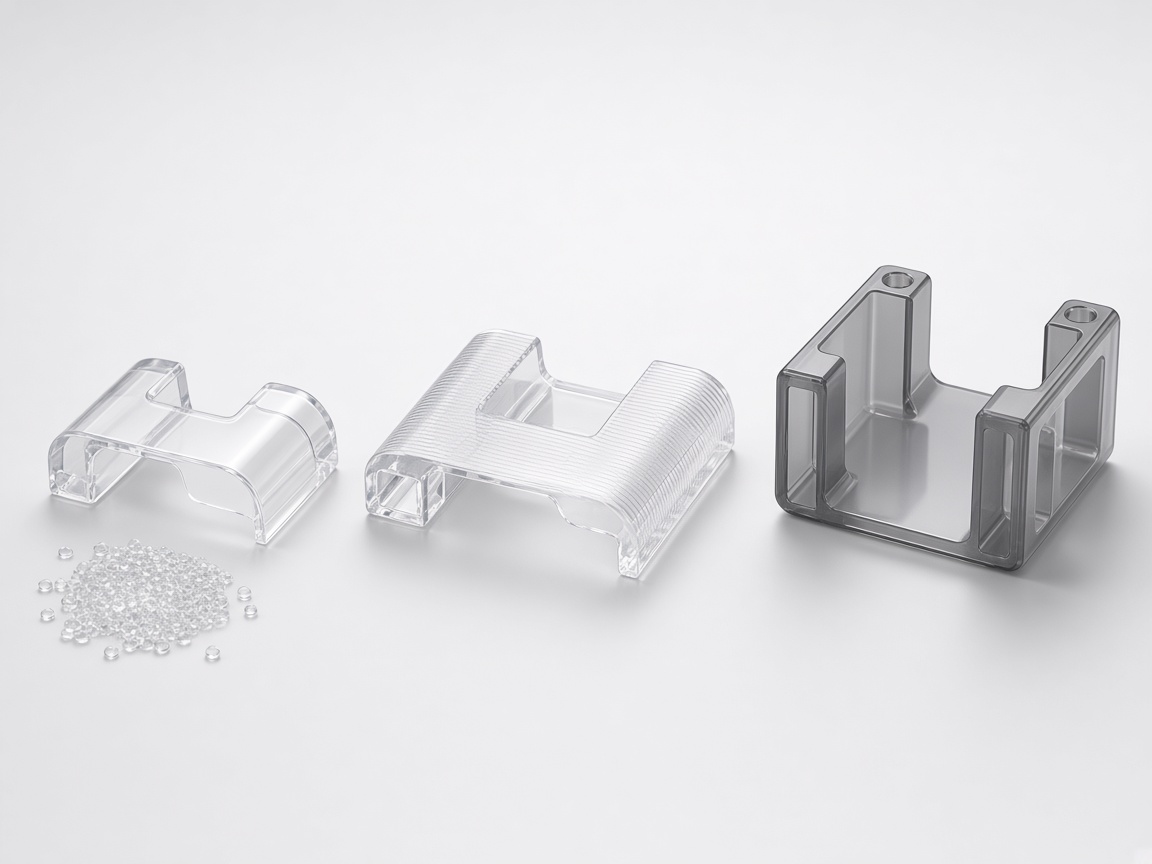
Clear acrylic lenses, light guides, and covers.
Acrylic (PMMA)
Upload CAD for pricing and DFM.
Instant quote
What the TDS values mean for a molded part.
Reading a material datasheet
How to write grade, color, and fillers on the quote.
Specify resin grade on an RFQFAQ
Start with SAN when you need a clear, rigid styrenic for housings, knobs, and lenses. Match the grade to temperature and chemical exposure on the TDS.
SAN is the usual clear styrenic when the housing needs more stiffness and chemical resistance than GPPS. Acrylic (PMMA) is the usual route when optical clarity leads. HIPS is the impact route, and it is not the clear grade. Confirm optics and chemical exposure on the supplier TDS.
Follow the supplier TDS for the exact grade. At NetProto, attach the datasheet when moisture-sensitive fillers are used.
NetProto has no minimum order quantity on molded parts from your production tool. Upload CAD on the instant quote platform to scope tooling and part pricing for your volume.
List the resin family on the RFQ, attach environment and compliance notes, and upload CAD. At NetProto, engineers use DFM review to narrow grades before tooling release.
NetProto builds the hardened steel tool in about 10 business days on qualified programs, depending on part size and complexity. Upload CAD on the instant quote platform to start DFM review.
Next step
Upload geometry and list SAN or the target grade on the instant quote platform.