
Material focus
PPS selection, applications, and sibling resin routing on this page.
PPS
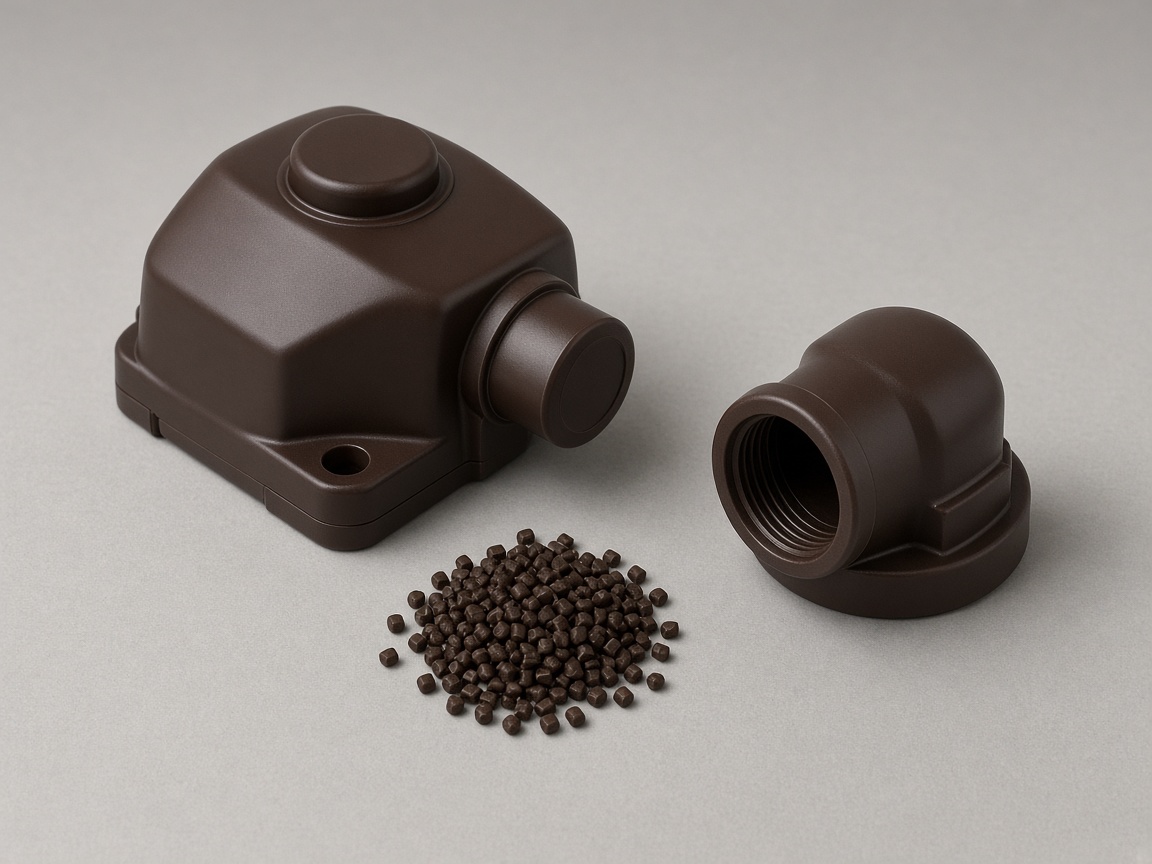
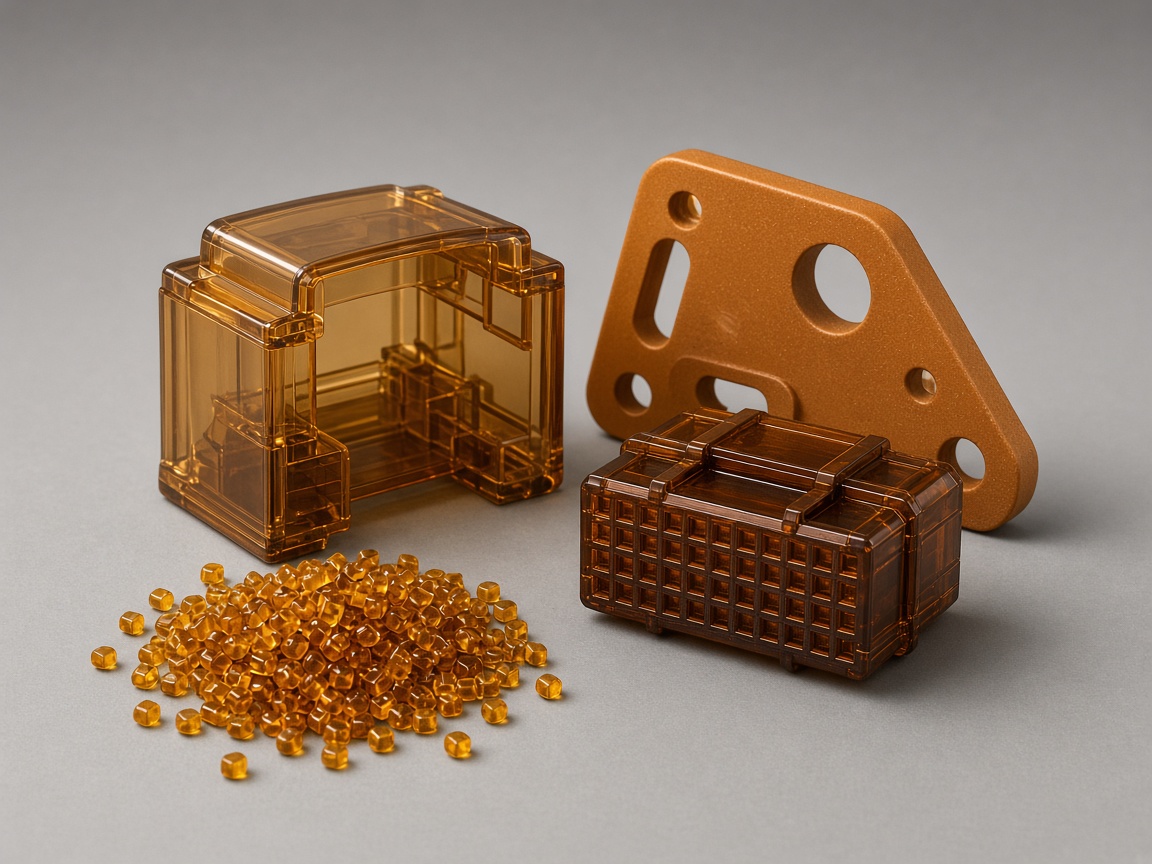
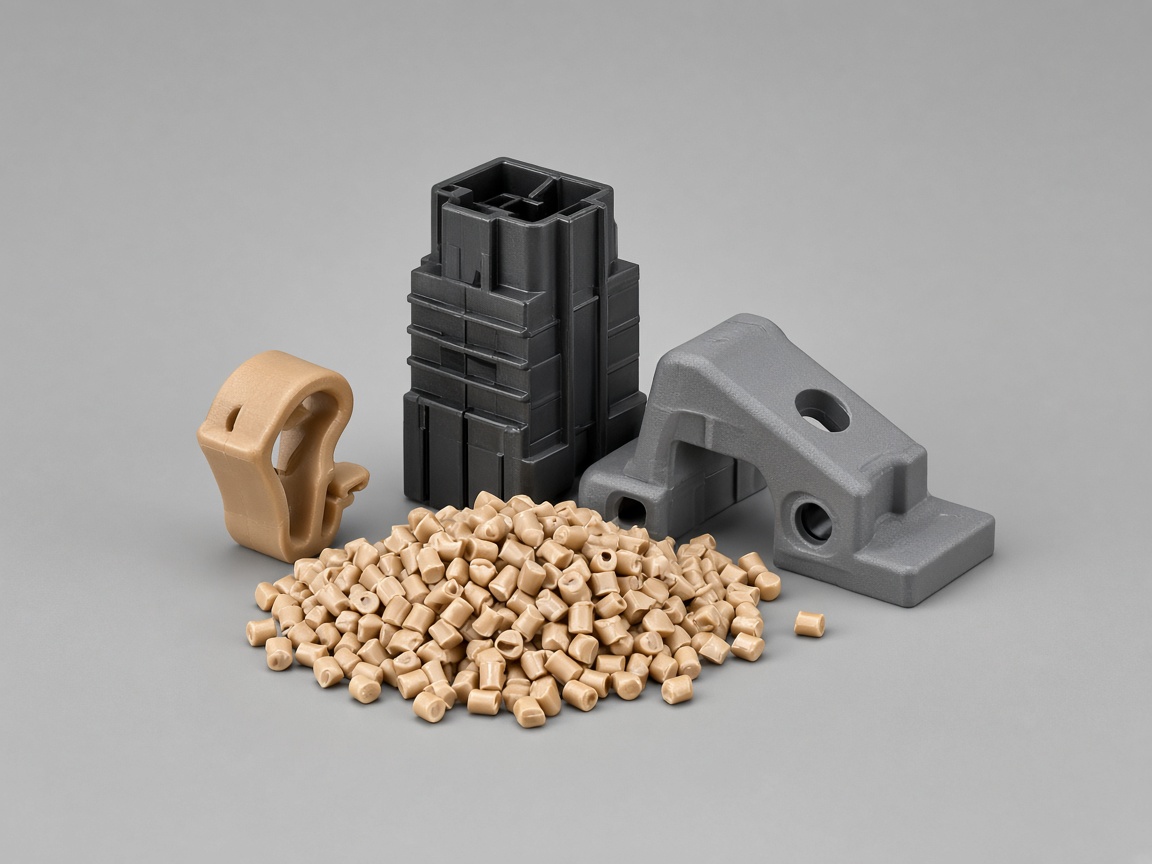
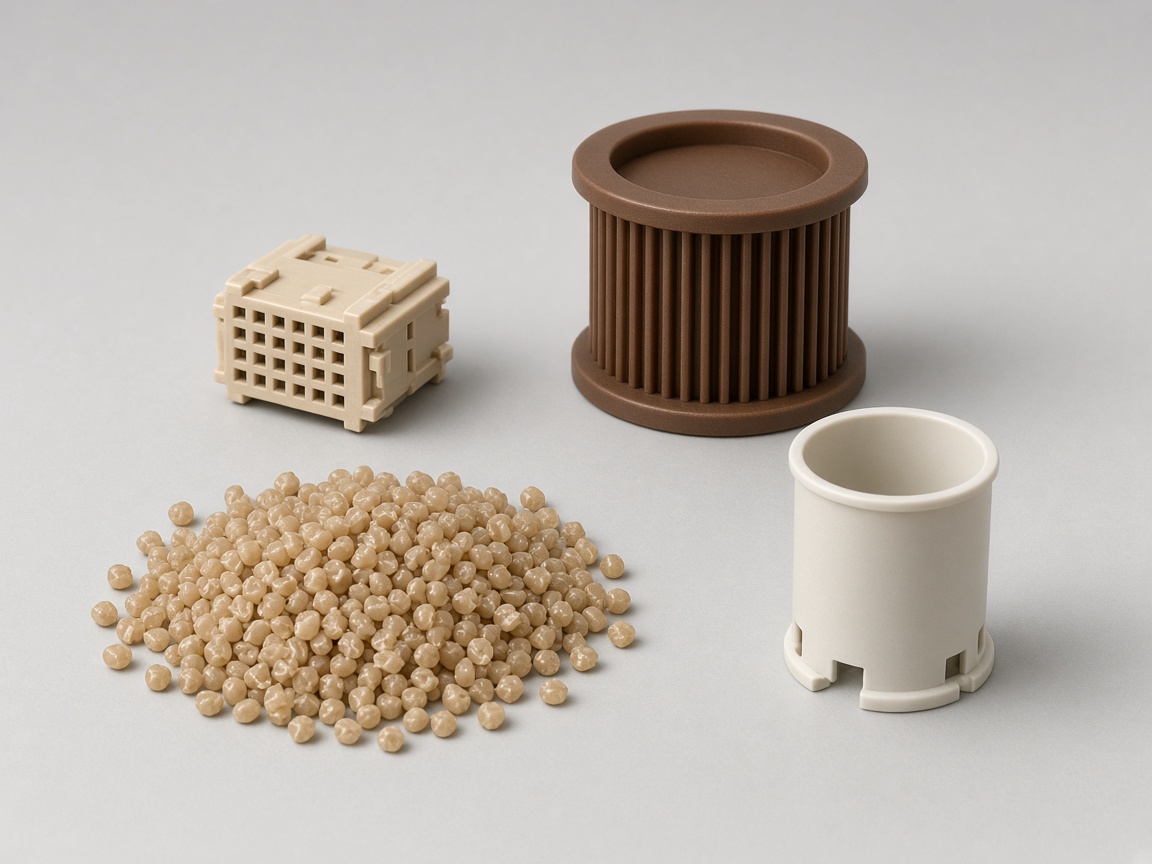
Polyphenylene sulfide (PPS) holds stiffness and chemical resistance at temperatures where PA and PBT soften.
PPS
How procurement and design teams use PPS on injection molded programs.
Polyphenylene sulfide (PPS) holds stiffness and chemical resistance at temperatures where PA and PBT soften. Automotive under-hood, fluid handling, and electrical parts use glass-filled PPS for metal replacement. PPS is inherently flame retardant in many grades, but electrical listings still come from supplier yellow cards, not assumptions. At NetProto, programs run from first-article validation through production on one hardened steel tool with no minimum order quantity. Upload CAD on the instant quote platform for DFM feedback before tooling release.
Key traits
Engineering and sourcing highlights. No NetProto processing numbers on this page.
Material focus
PPS selection, applications, and sibling resin routing on this page.
Sourcing
Grade and compliance context travels with CAD on the instant quote platform.
Program fit
First articles through production on one steel tool, no MOQ.
NetProto platform
Instant CAD quoting and DFM feedback before tooling release.
Tooling lead time
10 business days on qualified programs, depending on part size and complexity.
Common grades
Pick one of these on the instant quote, or name any other commercial grade in the RFQ notes. Many PPS grades are inherently flame retardant. Confirm the UL 94 rating and color limits on the supplier yellow card.
| Use case | Example grade | Typical parts |
|---|---|---|
| Unfilled / general | Ryton R-4-200BL | High heat electrical and industrial components |
| 40% glass fiber | Ryton R-4-220NA | Structural parts needing stiffness at elevated temperature |
| 40% glass fiber | Fortron 1140L4 | High rigidity load-bearing parts and lamp housings |
| High flow 40% GF | Fortron 6165A6 | Thin wall high heat connectors and mechanical parts |
| General molding | Ryton R-7-120BL | Pump and industrial components on standard molding equipment |
Applications
Typical molded parts and what to specify on the purchase order.
| Application | Why this resin | Specify on the PO |
|---|---|---|
| Pump impellers and housings | Hot fluids and stiffness | GF%, chemical exposure list |
| Ignition and coil components | Heat and electrical insulation | Electrical standard filters from your compliance team |
| Industrial valves | Chemical and creep resistance | Continuous use temperature notes |
| Throttle, EGR, and sensor housings | Heat, fuel vapor, and creep resistance | Under-hood temperature profile and the fuel or vapor list |
RFQ
Prepare these details, then upload CAD on the instant quote platform.
Target service temperature and the fluid list, such as pumps, fuel, coolant, or under-hood exposure.
Include GF loading.
Do not write UL listing as a NetProto claim; verify supplier data.
Commercial grade, or the use case to match (40% GF, flame retardant inherent, high heat under load)
Expected annual volume (helps cavity and tool planning)
Optional: target piece-price band for sourcing discussions
Next step
Grade not finalized? Note PPS on the RFQ and attach environment notes.
Compare and explore
Pairwise comparisons and sibling material pages.

Browse all resin guides.
Materials library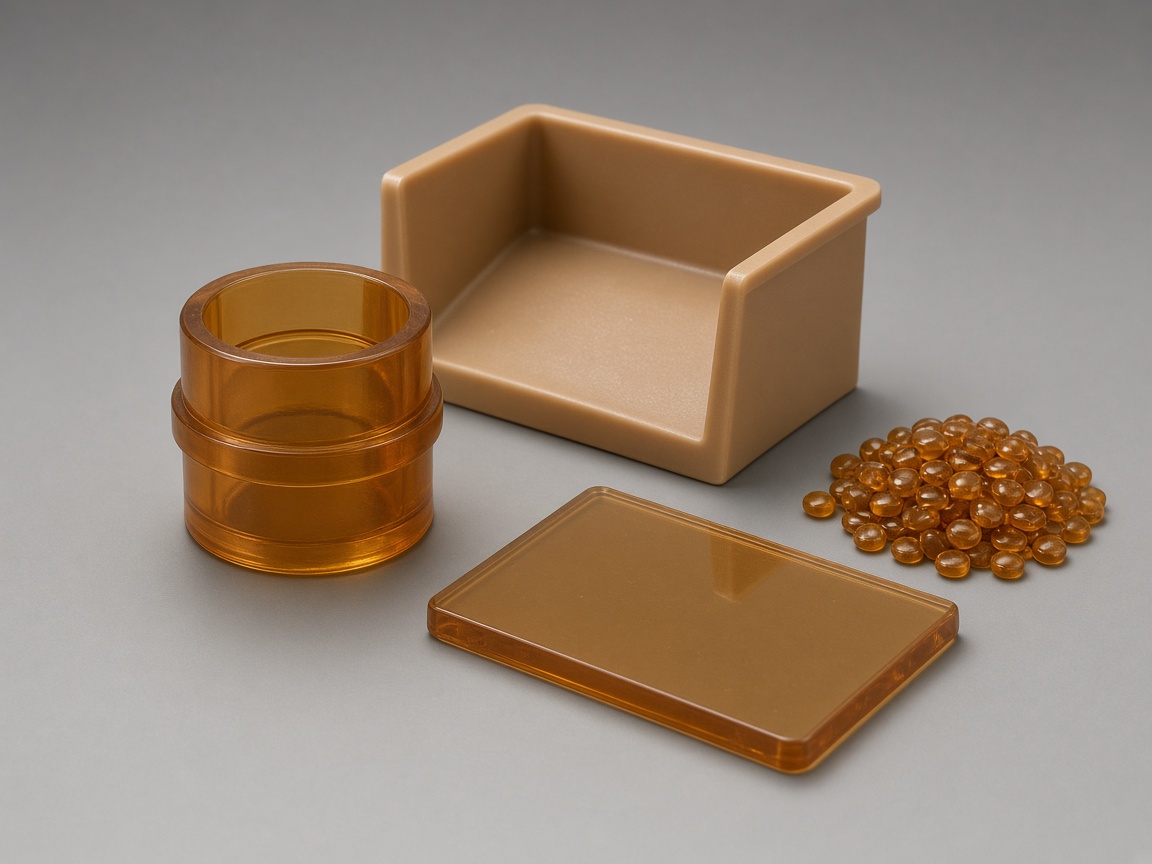
Higher toughness sulfone sibling.
PPSU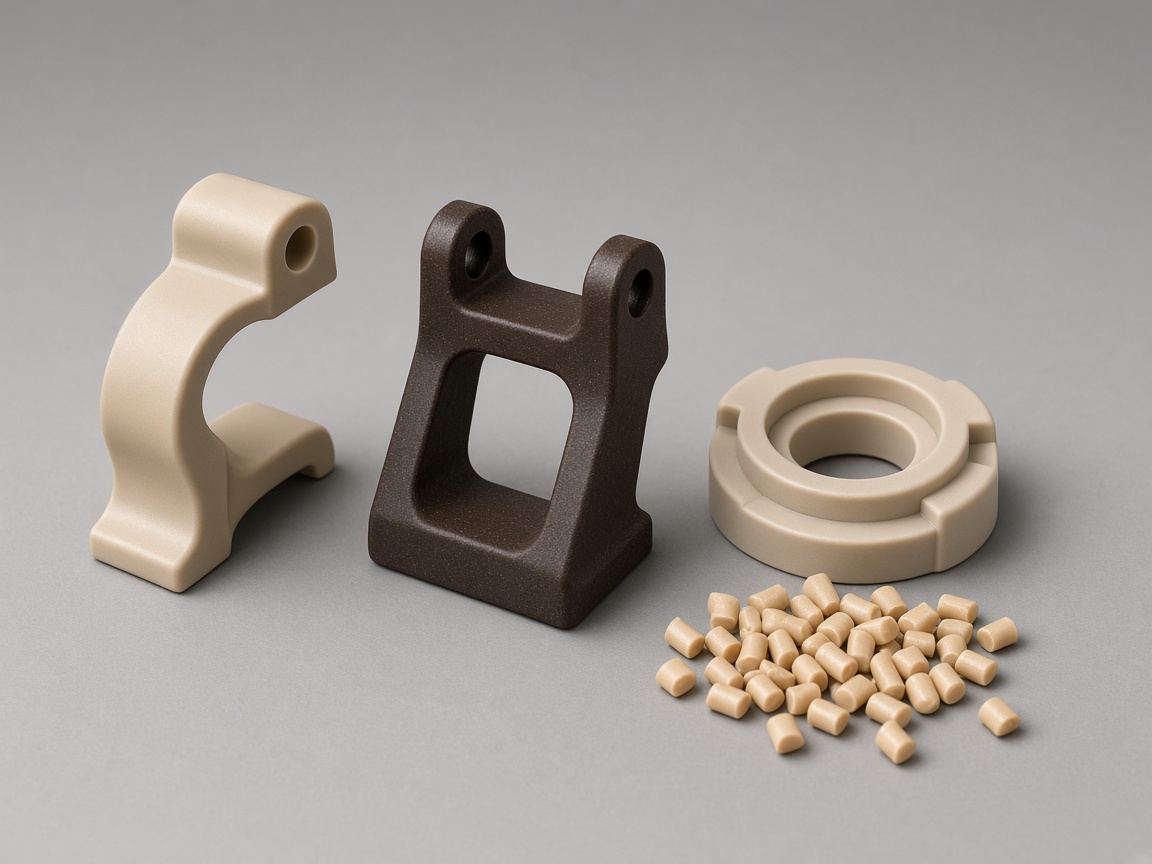
Higher performance tier.
PEEK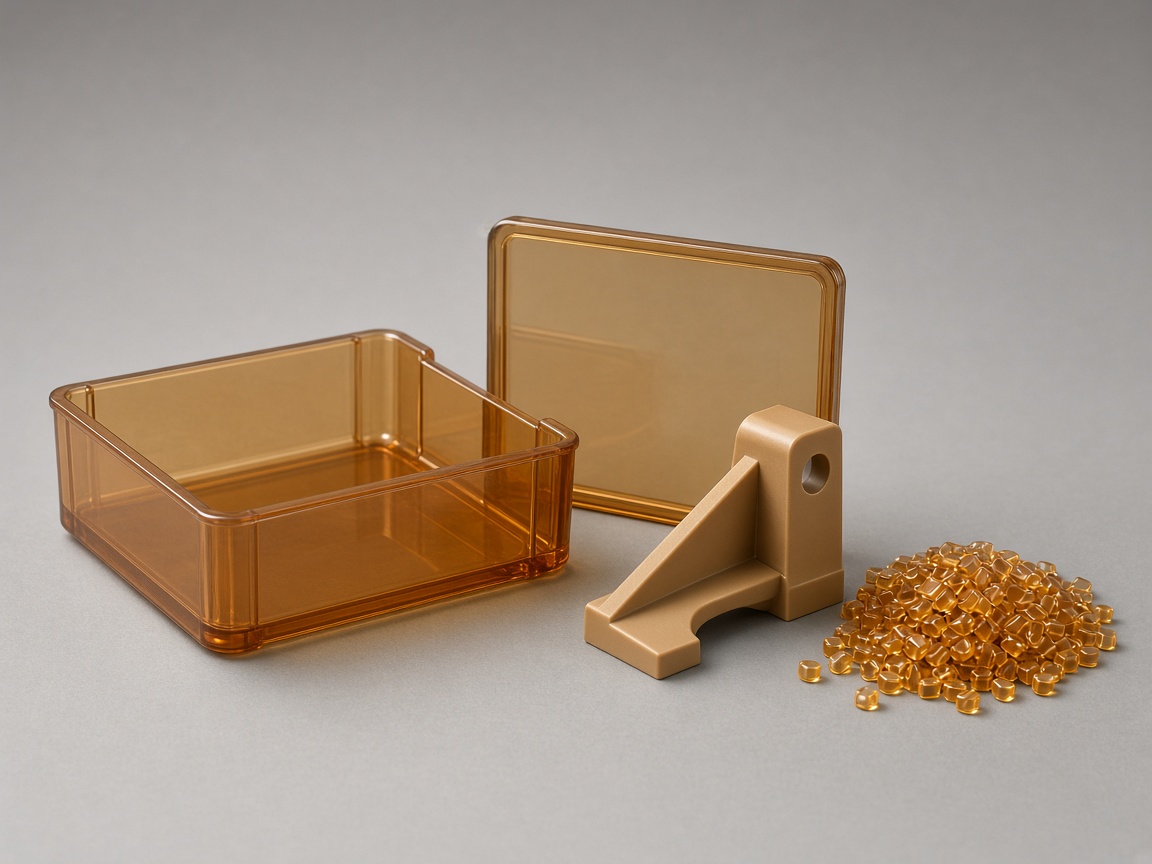
What the TDS (Technical Data Sheet) values mean for a molded part.
Reading a material datasheet
How to write grade, color, and fillers so the quote matches the part.
Specify resin grade on an RFQFAQ
PPSU often wins on toughness and transparency in medical-style apps; PPS wins on cost at high volume.
Choose PEEK when continuous heat and chemical demand go past the PPS grade. PPS stays the chemical-resistant choice when the supplier datasheet still covers the service. Confirm both grades on the TDS.
PPA handles higher heat than PA66 and can sit near PPS for structural parts. PPS usually wins on chemical resistance and inherent flame behavior. The grade still comes from the supplier datasheet.
Unfilled PPS can be brittle; GF grades are standard for structural parts.
Dark colors are common; specify color chip for cosmetic parts.
NetProto has no minimum order quantity on molded parts from your production tool. Upload CAD on the instant quote platform to scope tooling and part pricing for your volume.
List the resin family on the RFQ, attach environment and compliance notes, and upload CAD. At NetProto, engineers use DFM review to narrow grades before tooling release.
Next step
Upload geometry and list PPS or the target grade on the instant quote platform.