Material focus
Glass filled nylon selection, applications, and sibling resin routing on this page.
Glass filled nylon
Glass fiber reinforced nylon boosts stiffness, heat resistance, and creep performance compared with unfilled PA6 or PA66.
Glass filled nylon
How procurement and design teams use Glass filled nylon on injection molded programs.
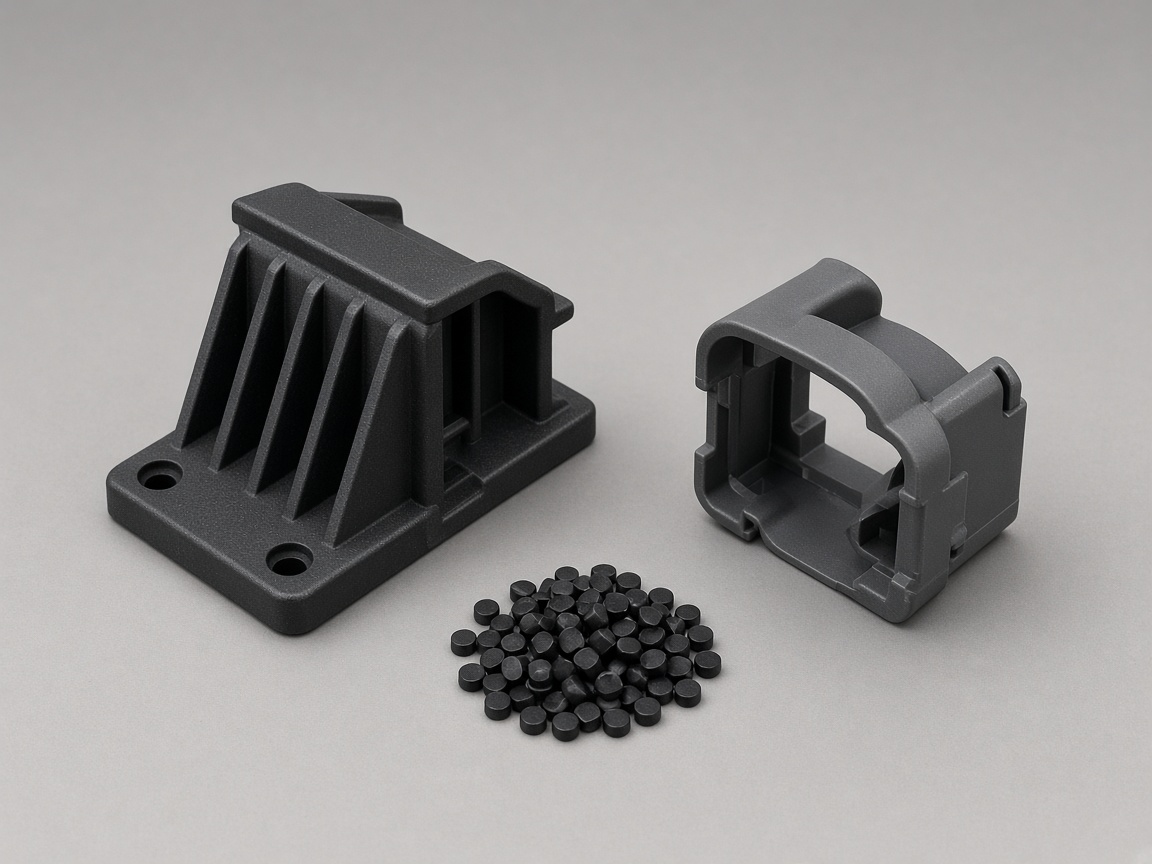
Glass fiber reinforced nylon boosts stiffness, heat resistance, and creep performance compared with unfilled PA6 or PA66. Tradeoffs include anisotropic shrink, possible fiber show on cosmetic surfaces, and higher mold wear on polished cavities. Buyers should specify fiber loading (for example GF30) and whether warp-critical dimensions need mold flow review. At NetProto, programs run from first-article validation through production on one hardened steel tool with no minimum order quantity. Upload CAD on the instant quote platform for DFM feedback before tooling release. For glass-filled polyester connectors and bobbins, see Glass filled PBT . For long-fiber structural brackets and panels, see Long fiber thermoplastic .
Key traits
Engineering and sourcing highlights. No NetProto processing numbers on this page.
Material focus
Glass filled nylon selection, applications, and sibling resin routing on this page.
Sourcing
Grade and compliance context travels with CAD on the instant quote platform.
Program fit
First articles through production on one steel tool, no MOQ.
NetProto platform
Instant CAD quoting and DFM feedback before tooling release.
Tooling lead time
Hardened steel tool build in about 10 business days on qualified programs (part complexity dependent).
Applications
Typical molded parts and what to specify on the purchase order.
| Application | Why this resin | Specify on the PO |
|---|---|---|
| Structural brackets | Metal replacement with lighter weight | PA6 or PA66, GF%, color |
| Automotive engine bay components | Heat and modulus | Heat and chemical exposure notes |
| Industrial housings with ribs | Stiffness without thick walls | Cosmetic vs structural faces marked on drawing |
| Power tool housings | Stiffness for the housing. Confirm impact and flammability on the supplier TDS. | PA6 or PA66, glass percent, and the flammability callout on the datasheet. |
RFQ
Prepare these details, then upload CAD on the instant quote platform.
Write GF percent, not only glass filled nylon.
Mark cosmetic surfaces that cannot show fiber.
Link to warp-sensitive dimensions for DFM.
Expected annual volume (helps cavity and tool planning)
Optional: target piece-price band for sourcing discussions
Next step
Grade not finalized? Note Glass filled nylon on the RFQ and attach environment notes.
Compare and explore
Pairwise comparisons and sibling material pages.

Browse all resin guides.
Materials library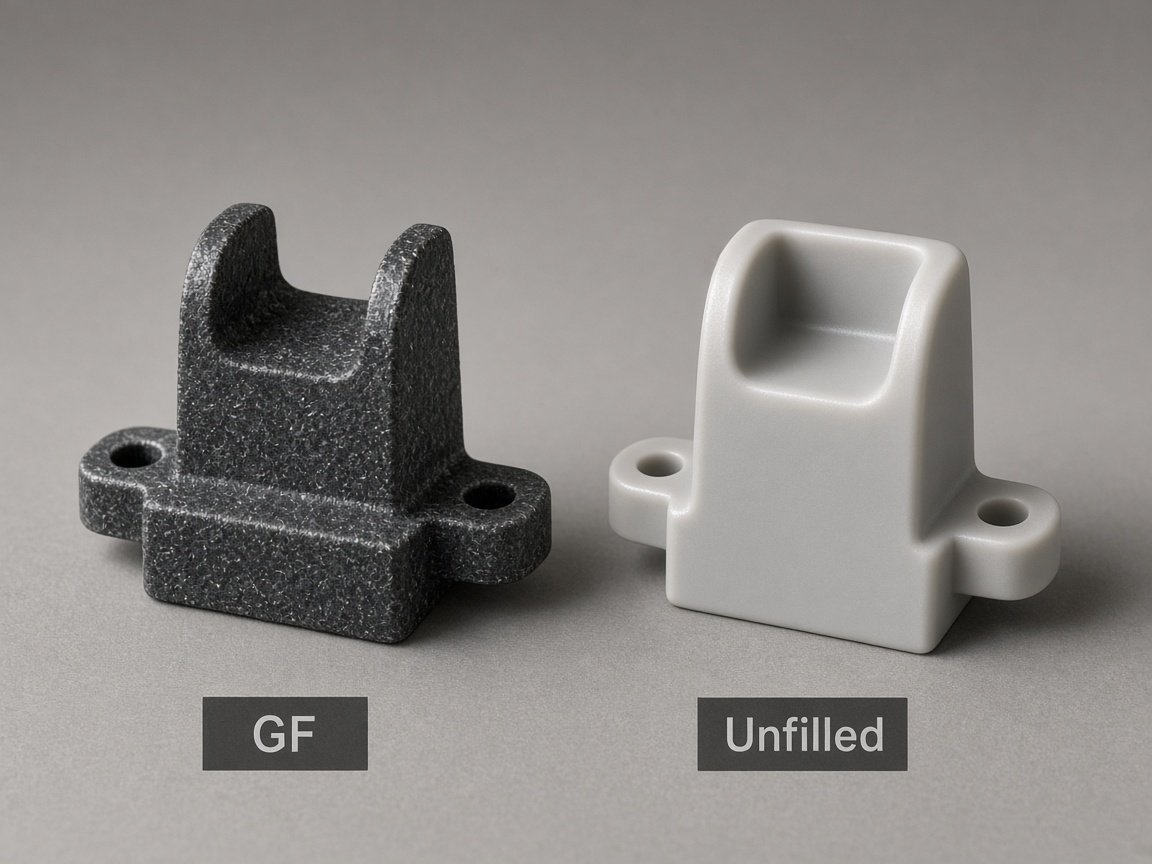
When fill is worth it.
GF vs unfilled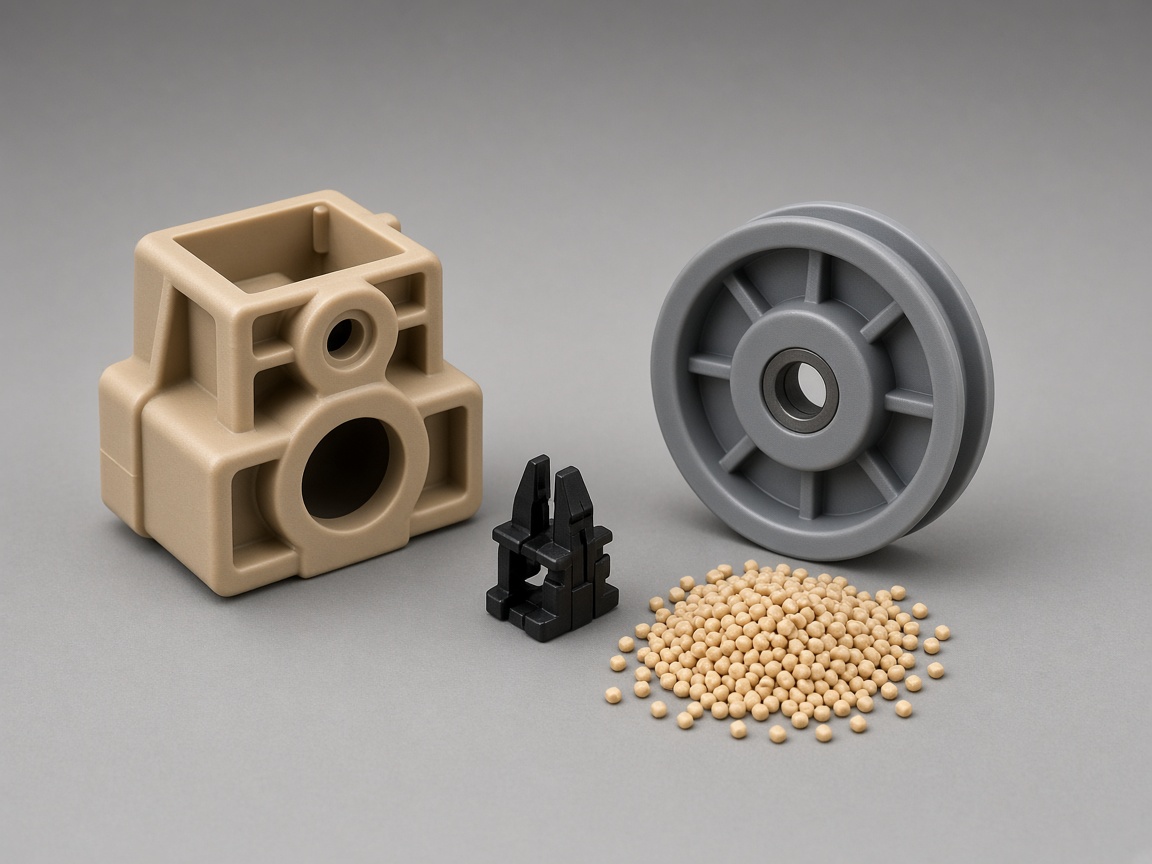
Base resin for many GF grades.
Nylon 66
What the TDS values mean for a molded part.
Reading a material datasheet
Nylon 6 for unfilled structural parts.
Nylon 6FAQ
No. It raises stiffness but can reduce unfilled impact energy.
Abrasive fillers increase maintenance; specify SPI finish accordingly.
Higher loadings increase stiffness and warp risk; pick based on structural need.
NetProto has no minimum order quantity on molded parts from your production tool. Upload CAD on the instant quote platform to scope tooling and part pricing for your volume.
List the resin family on the RFQ, attach environment and compliance notes, and upload CAD. At NetProto, engineers use DFM review to narrow grades before tooling release.
Next step
Upload geometry and list Glass filled nylon or the target grade on the instant quote platform.