PEEK Injection Molding: When to Specify vs PEI or PPSU
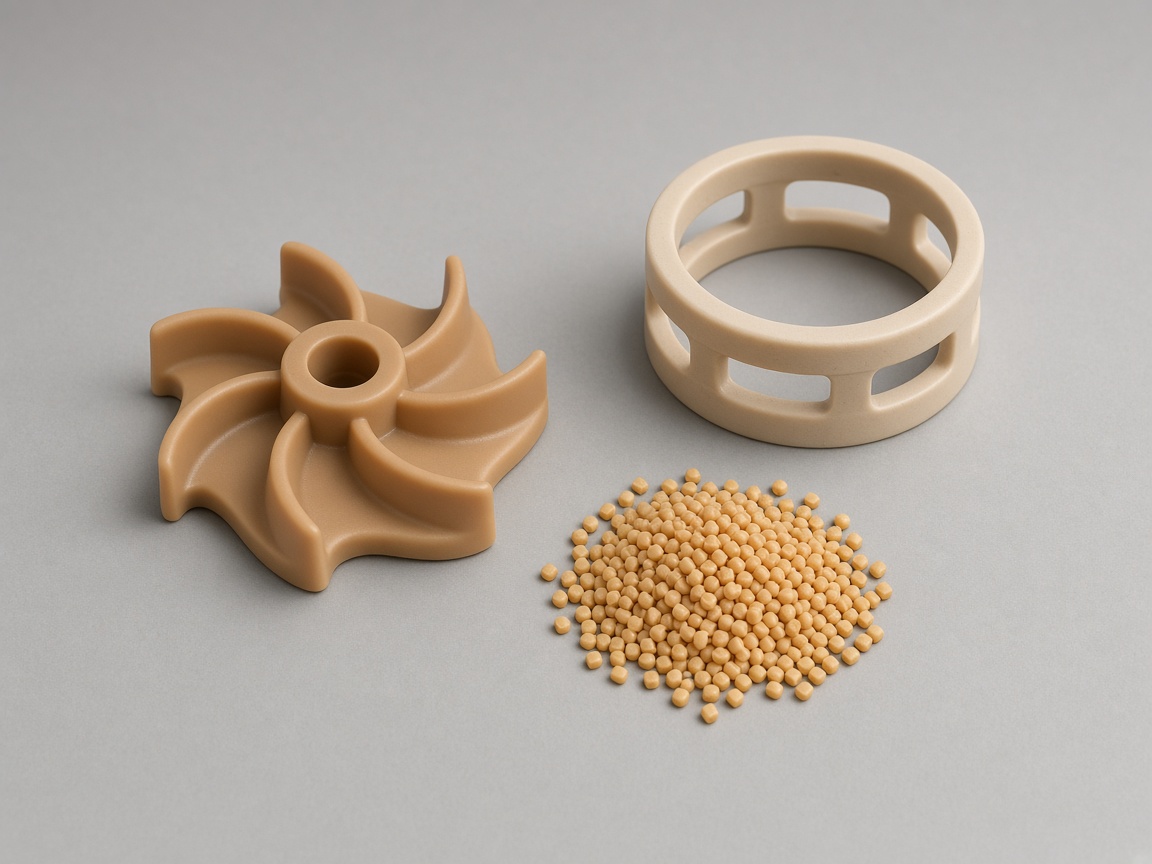
PEEK injection molding means forming parts from polyetheretherketone, a semi-crystalline high-performance thermoplastic, in a steel injection mold. Teams reach for PEEK when continuous heat, aggressive chemicals, or demanding wear conditions exceed what standard engineering resins can handle in real service, not on a datasheet headline alone.
This guide is a when-to-specify decision path for mechanical engineers and program owners. For grade families, typical applications, and processing basics on the resin itself, see the PEEK injection molding material guide. That spoke is the property reference; this article answers whether PEEK belongs on your RFQ at all.
What Is PEEK in Injection Molding?
PEEK (polyetheretherketone) is a semi-crystalline aromatic thermoplastic in the polyaryletherketone family. In injection molding, it is melted, injected into a hardened steel cavity, and cooled into a dense part that keeps stiffness and dimensional stability under loads that would creep or soften many nylons, acetals, and polycarbonates.
Engineers specify PEEK for hardware that must live next to hot fluids, repeated cleaning cycles, or abrasive mates. It is also a common candidate when a metal bracket or bushing needs to become plastic without giving up too much modulus or thermal headroom. The resin cost and narrower process window are real; the payoff is duty-cycle performance when lower-cost options have already failed or failed in qualification.
Key Facts
- PEEK is a fit-driven choice for harsh-duty programs, not an automatic upgrade for standard housings, clips, or brackets where ABS, PC, or nylon already passes validation.
- Heat, chemical, and wear requirements must be written as real use conditions on the RFQ: temperature range, contact media, load, cycle life, and failure mode. The resin name alone is not a requirement.
- PEI (Ultem) and PPSU are common lower-cost alternatives when PEEK's full capability stack is not required.
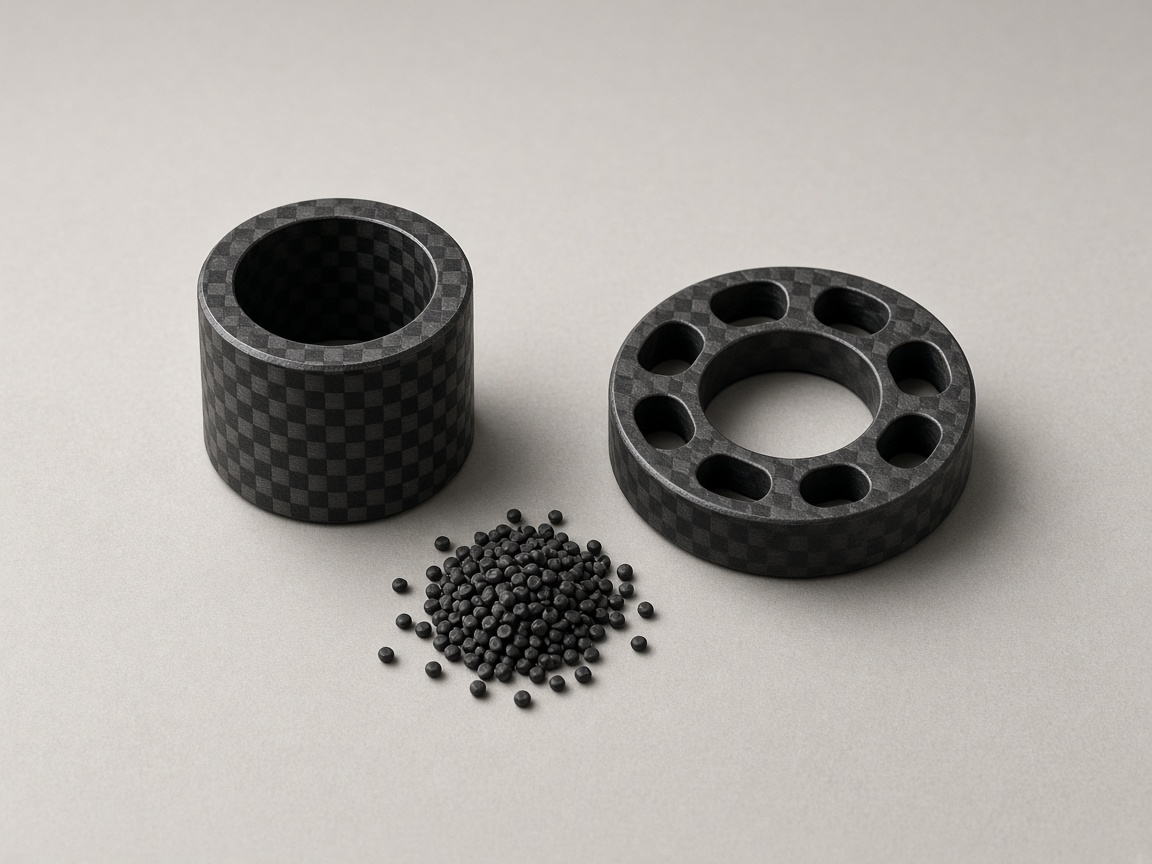
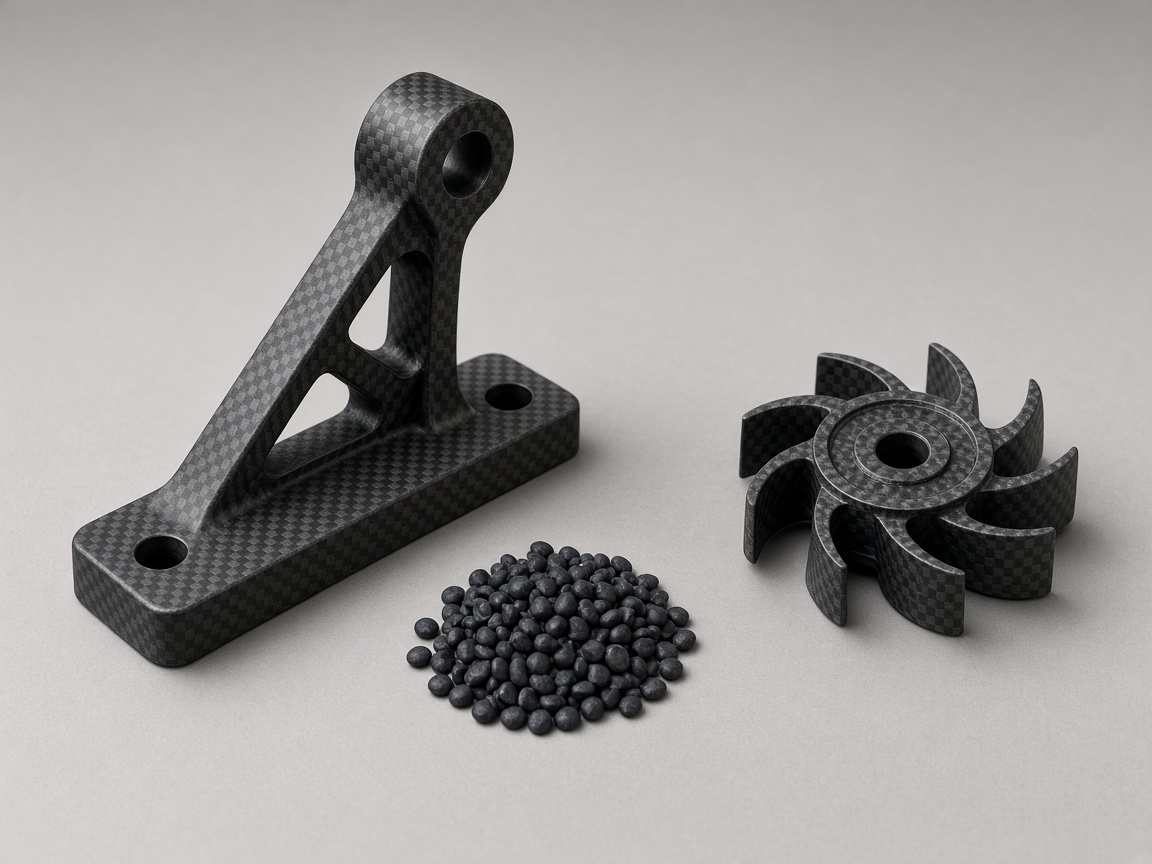
- Filled PEEK grades change warp behavior, wear resistance, surface finish, and mold erosion risk. Use standard SPI surface finish callouts for PEEK on the RFQ, and always name filler type and percentage, not "filled PEEK" without detail.
- Supplier datasheet values are material-level data, not NetProto process guarantees. Treat them as inputs to your test plan, not as published company limits.
- PEEK has a narrower process window than ABS, PC, or nylon. DFM review should happen before tool steel is cut so gate location, venting, and thick sections are addressed while changes are still inexpensive.
PEEK vs PEI vs PPSU: Quick Routing Rules
Use these routing rules instead of a separate property comparison. The site already walks PEI versus PEEK in depth on PEEK vs Ultem (PEI).
- Choose PEI (Ultem) when elevated heat and stiffness matter but resin cost and processability are tight, and your chemical and steam exposure is moderate relative to the top tier.
- Choose PPSU when toughness plus steam and chemical resistance beat peak temperature needs, and transparency or color stability in hot wet environments is part of the story.
- Choose PEEK when heat, chemical, wear, and long-cycle mechanical demands stack together, and lower-cost options are already ruled out by test data or field failure.
For broader application routing across the high-heat portfolio, see best plastic for high-temperature injection molded parts. Keep compare tables on those pages; your job on this RFQ is to match test conditions to the right family.
When PEEK Earns a Place on the RFQ
PEEK earns scrutiny when the environment, not the drawing title, demands it. Typical triggers include the following.
Continuous elevated service temperature where parts must keep shape and function for long intervals, not just survive a short peak event. If your qualification story is "it gets hot briefly," document that explicitly; PEEK is often chosen when sustained heat is the constraint.
Repeated steam, autoclave, or aggressive cleaning that already caused embrittlement, stress cracking, or dimensional drift in nylon, acetal, or PC. Write the sterilization or cleaning method and cycle count you expect in production, not only in development.
Chemical exposure that defeated prior resin picks. List concentration, temperature, and whether exposure is splash, immersion, or vapor. A generic "chemical resistant" note does not help molding or sourcing teams size the program.
Bearing, seal, or sliding interfaces where creep and abrasion defeat glass-filled nylon or POM. If the part sees sustained load on a mate surface, state load, speed, lubrication, and acceptable wear.
Regulated or heavily documented programs (medical device, dental, industrial equipment with customer validation packages) where repeated cleaning cycles and traceability matter. NetProto molds plastic injection molded parts for regulated programs when requirements are defined on the RFQ; route detailed compliance questions to your buyer contact rather than assuming resin marketing language covers your file.
If most of the conditions above are mild, PEEK may be premature. If heat, media, and wear stack together, PEEK belongs in the trade study even if another resin wins on cost. Copy the checklist in the next section into the RFQ package.
PEEK RFQ Checklist
- Maximum and minimum operating temperature in service, including heat-soak from nearby components
- Continuous versus peak temperature, listed separately
- Contact media (fluids, gases, cleaners) and exposure type
- Sterilization or cleaning method and expected cycle count over product life
- Mechanical load (static, dynamic, press-fit, bearing) and mate materials
- Expected service life or wear limit that defines success
- Filled versus unfilled, plus filler type and load if known
- Regulatory or customer documents required from the resin supplier (food contact, biocompatibility testing scope, etc.) when applicable
If several rows stay blank, finish the use-condition list before you lock PEEK. If most rows are filled with harsh conditions, keep PEEK in the trade study.
How to Specify PEEK Without Over-Buying
- Write operating temperature range and contacting media on the RFQ. Include whether heat is continuous or cyclic, and whether media is present during peak temperature.
- Attach the resin datasheet or exact grade if procurement already selected one. Include color, regrind policy, and any customer-approved source restrictions.
- If the grade is open, list acceptable families and the must-pass test condition instead of defaulting to "PEEK" without alternatives. A structured trade study often keeps PEI or PPSU in scope until data eliminates them.
- State filled versus unfilled, wear targets, and any food-contact, medical, or regulatory documentation required from the supplier. Filled grades affect gate size, vent placement, and tool wear; see also guidance on carbon fiber filled plastics for injection molding when carbon reinforcement is on the table.
- Upload CAD early so DFM can flag thick sections, knit lines, gate locations on the cosmetic face (A-side) vs core side (B-side), and venting risks before tooling investment. High-performance resins punish late wall-section changes more than commodity grades because shrink, crystallinity, and warp respond differently to geometry edits.
Common PEEK Specification Mistakes
Over-buying PEEK usually looks like specifying the top grade "for margin" when PEI or PPSU would pass the same test protocol. Under-buying looks like reusing a housing resin because the part looks similar while the failure mode is chemical or creep at the seal land. A third trap is locking PEEK before you write continuous versus peak temperature, then discovering the duty cycle never needed the top-tier resin.
Next Steps
If PEEK is still in scope after your trade study, upload CAD through the instant quote platform for DFM feedback and injection molding pricing aligned to your material and application. NetProto builds one hardened steel injection mold per program and runs production from that tool, with no minimum order quantity on qualified programs and online project tracking after quote approval. Tooling timelines depend on part size and complexity; production schedules vary by program and are confirmed on the quote.
Bring your checklist, datasheet or open-grade notes, and validation conditions. The goal is a mold and process matched to the resin you actually need, not the most expensive resin on the list. If PEI or PPSU passes your test protocol, we will quote that path instead of defaulting to PEEK.